TCFD
Identifying and managing business and financial risks and opportunities presented by the impacts of climate change is critical to the success of our business. Capitalizing on the opportunities to provide clean energy solutions, for the betterment of our society and the world as a whole, takes a focused and disciplined approach to identifying, managing and mitigating risks to our business presented by climate change. In 2017, The Financial Stability Board’s Task Force on Climate-related Financial Disclosures (TCFD) established recommendations for voluntary climate-related reporting, including with respect to governance, strategy, risk management and metrics. Freeport LNG has voluntarily implemented many of the TCFD disclosure recommendations.
Policy & Legal
Technology
Market
Reputation
Physical Risks
Transition Risks
The TCFD recommends outlining potential climate risks into categories that affect our industry. The TCFD divides climate risks into two major categories: (1) physical risks – those related to the physical impacts of climate change; and (2) transition risks – those related to the transition to a lower carbon economy. Transition risk is further divided into four categories: policy and legal risk; technology risk; market risk; and reputation risk. Physical risk is divided into acute and chronic risk.
In the tables below, we have identified potential climate related physical and transition risks affecting our business, potential opportunities presented by climate change, and descriptions of the potential financial impacts for each. We continually identify and monitor these and other evolving risks and opportunities through our Enterprise Risk Management and ESG committees.
Climate Risks |
Category |
Climate Related Risk |
Potential Financial Impact |
Physical Risk – Acute |
Increased frequency and severity of extreme weather events |
Damage to facilities; interruption of operations; unavailability of insurance; increased insurance costs; increased infrastructure costs to protect facilities |
Physical Risk – Chronic |
Rising sea levels; rising temperatures |
Damage to facilities; unavailability of insurance; increased insurance costs; increased infrastructure costs to protect facilities; decreased worker productivity |
Transition Risk – Policy and Legal |
Increased governmental regulatory reporting requirements; more extensive reporting requirements |
Higher regulatory compliance costs; increased permitting risk |
Imposition of additional carbon mitigation policies and regulations |
Higher natural gas prices; higher taxes; additional infrastructure costs to meet compliance requirements |
Imposition of additional restrictions on natural gas production |
Constrained gas supply; higher natural gas prices; reduced competitiveness with foreign LNG producers |
Imposition of additional restrictions on expanding or continuing natural gas transportation infrastructure |
Constrained gas supply; higher natural gas prices; higher natural gas transportation costs; reduced competitiveness in global LNG market |
International government restrictions on importing LNG |
Constrained global demand for LNG; increased cost to meet buyer requirements |
International government policies promoting high cost or supply constrained renewable technology and discouraging investment in existing technology |
Sustained cost escalation for materials, inputs and energy needed to operate facilities; higher operation and maintenance costs |
Transition Risk – Technology |
Technological advancements that reduce cost or increase dependability of renewable energy alternatives |
Increased competition for LNG; shift in market demand preferences away from LNG |
Transition Risk – Market |
Change in customer sentiment |
Shift in market demand preferences away from LNG |
Market opposition to domestic natural gas production |
Constrained natural gas supplies; increased natural gas prices |
Market opposition to domestic natural gas infrastructure |
Increased natural gas production and transportation costs; increased natural gas prices |
Transition Risk – Reputation |
Negative public perception of natural gas or natural gas industry |
Higher financing costs; constraints on availability of new financing; constraints on capital availability; additional public relations costs; increased talent retention costs |
The TCFD divides climate risks into two major categories
(1) physical risks – those related to the physical impacts of climate change; and
(2) transition risks – those related to the transition to a lower carbon economy.
Climate Related Opportunities |
Category |
Climate Related Opportunity |
Potential Financial Impact |
Plant Optimization |
Leverage all electric drive plant design and related lower relative emissions to differentiate from market competition |
Increased LNG sales; increased revenue |
Invest in facility debottlenecking and design improvements to increase aggregate production and operational efficiency |
Increased LNG sales; reduced per unit production costs; reduced per unit carbon intensity; increased plant efficiency; increased revenue |
Emissions Reduction |
Invest in facility design improvements to increase aggregate production and emissions mitigation |
Reduced operating costs; increased customer demand due to lower emissions profile; reduced exposure to additional regulatory compliance costs |
Pursue industry best practices in emissions monitoring, calculating and reporting. |
Increased customer demand due to lower emissions profile; reduced exposure to additional regulatory compliance costs |
Invest in new technology or infrastructure to further reduce direct carbon footprint |
Reduced per unit carbon intensity; reduced exposure to additional regulatory compliance costs; increased LNG sales; increased revenue |
Increase portion of power supply derived from renewable energy sources |
Reduced per unit carbon intensity; increased LNG sales; increased revenue |
Engage with customers and other participants in LNG supply chain to quantify and mitigate lifecycle emissions |
Increased LNG sales; increased revenue; market differentiation; continued access to financing sources; continued access to capital; improved public perception |
Strategic planning |
Leverage electric-drive design and low relative emissions to structure low-carbon LNG cargo sales |
Increased LNG sales; increased revenue; enhanced reputation; continued access to global demand for less carbon intensive LNG |
Enhanced focus on sustainability and transparency in climate policy |
Increased LNG sales; increased revenue; market differentiation; continued access to financing sources; continued access to capital; improved public perception |
Shifting Public and Policy Sentiment toward Less Carbon Intense Energy |
Capitalize on growing demand in emerging markets for LNG to replace coal and other more carbon intense energy sources |
Increased LNG sales; increased revenue |
Climate
Climate protection is a foundational tenet of our business. Our liquefaction facility is the largest all-electric motor-driven LNG production plant in the world, and the only one in the United States. The LNG we deliver is the most environmentally sustainable of any LNG produced today.
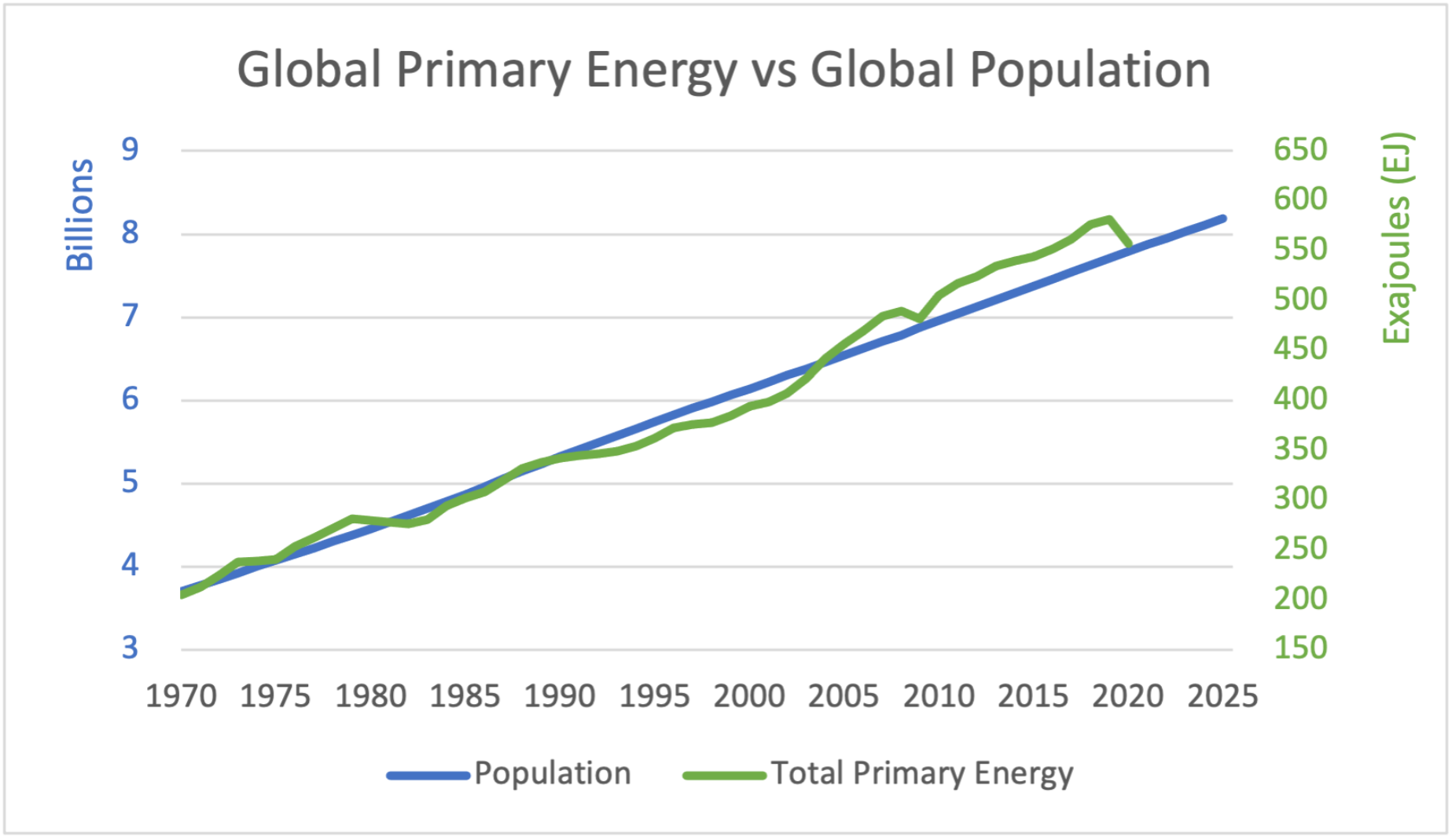
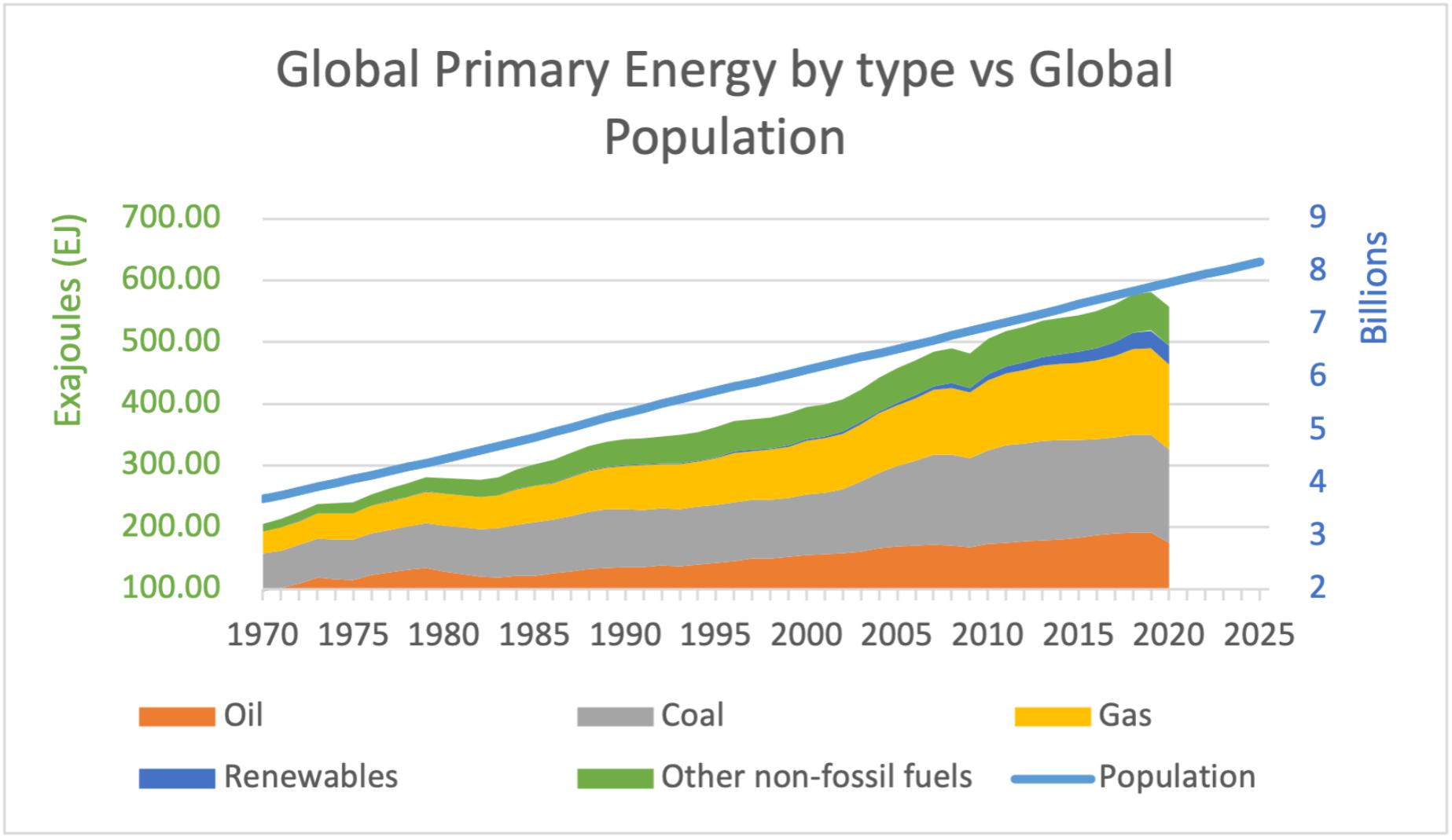
Worldwide, coal serves as the primary power generation source of electricity, despite its high carbon emissions intensity. According to the United Nations, the global population is projected to grow to over 8.5 billion people by 2030, nearly a 700 million person increase over 2021.[1] As the standards of living among growing populations improve, ever-increasing energy resources will be required to meet their power needs. Freeport LNG is uniquely positioned to meet the challenges of the growing global energy economy, providing an environmentally responsible alternative to the deployment of more coal and other dirtier fuels to meet increasing power generation needs.
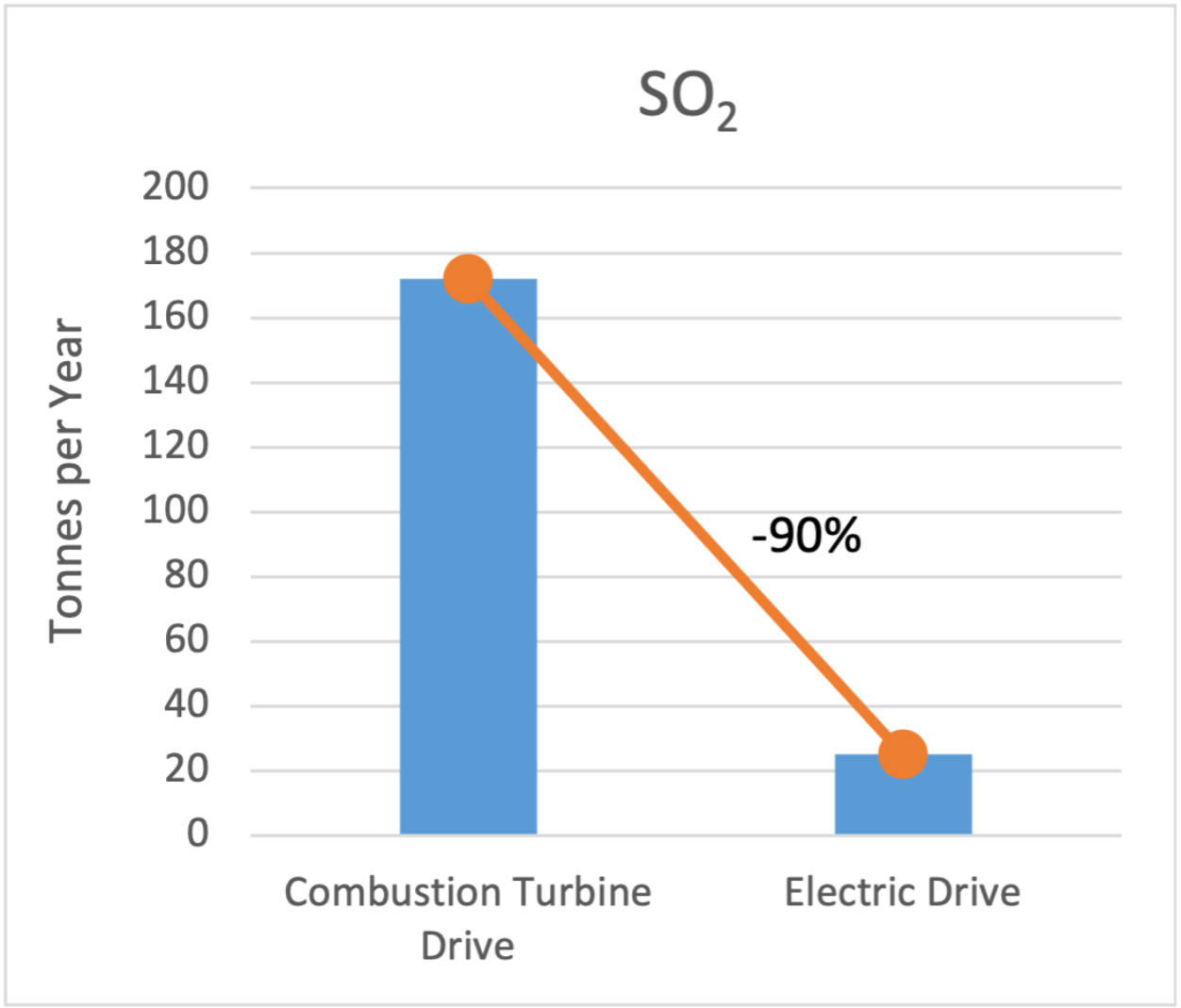
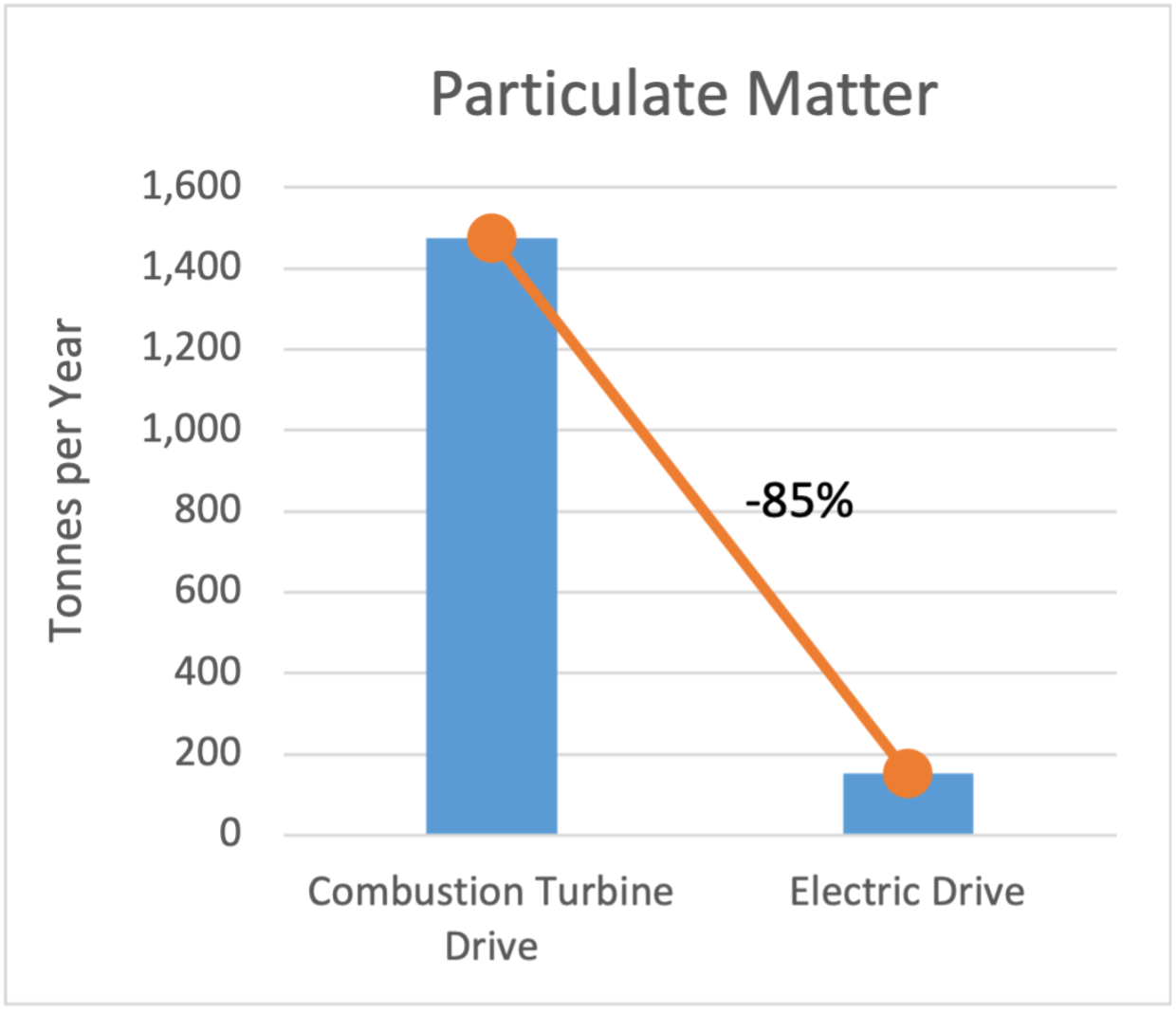
Our use of electric motors allows us to reduce associated plant emissions by over 90% relative to the typical natural gas-fired LNG plant. This not only safeguards the air in our communities, it also enables us to produce LNG with significantly lower carbon intensity relative to our competitors.
In addition, our use of electric motors allows Freeport LNG to take advantage of its location in one of the most diverse renewable power generation markets in the United States. In 2021, wind, solar and nuclear power comprised approximately 38% of the electricity generated on the Electric Reliability Council of Texas (ERCOT) grid[2], representing twice the U.S. national average. As the renewable share of ERCOT generating capacity continues to grow over the coming years, this will further reduce the carbon intensity of LNG produced at the Freeport LNG facility, and enhance the already significant environmental benefits associated with the LNG we deliver.
In order to further capitalize on the unique environmental benefits of our low-carbon LNG, efficient operations are top of mind. As we continually optimize our facilities to maximize LNG production, we drive down the per-unit environmental impact of the energy we deliver. The more volumes Freeport LNG places in the global market, the greater our contribution to the critical transition from coal and other dirty fuels to a clean energy source with less waste and fewer global emissions.
The competitive strength of our low-carbon LNG allows us to take advantage of growing market demand for sustainable LNG supplies, and furthers the already substantial environmental benefits inherent in LNG’s displacement of coal-fired electric generation in China, India and other developing regions around the world. We are heavily engaged in marketing our low-carbon LNG. Low-carbon LNG’s growth in global importance also presents additional opportunities to further reduce lifecycle emissions associated with LNG, including with respect to enhanced carbon efficiency in gas supplies and in LNG shipping. This is being further buttressed by our work with Talos Energy to develop carbon capture and sequestration capabilities at our site.
As we transition to a carbon neutral global economy, the world has an opportunity to lower its carbon footprint with energy technology that’s readily available today in the form of LNG. Freeport LNG stands uniquely ready to support this long-term transition, by providing some of the lowest carbon-intensity LNG available in the world.
Climate Strategy
In order to maintain our operations, service our customers and generate revenue, we comply with strict local, state and federal regulatory requirements that govern our emissions, waste disposal, facilities maintenance, and overall environmental management; failing to comply with these requirements exposes our business to financial penalties and forced shut-downs. While adherence to these regulatory limits has a direct and material impact on our business, we go above and beyond these requirements in many respects. We realize that environmental stewardship – both locally and globally – is paramount to the long-term sustainable success of our business and strive to minimize the environmental footprint of our operations, whilst nonetheless delivering the critical clean energy the world needs.
The energy transition is not a future concept – it is occurring now. The strategies that policy makers and private industry alike put in place will be the ultimate determinant of the success of this transition. As we’ve seen through the last several months, though, a sustainable energy transition cannot simply be through having a lower carbon footprint. It’s success also needs to maintain readily available, secure, affordable and flexible energy supply. Long-term environmental stewardship is crucial, but people around the world still need their homes heated in winter and cooled in summer, and businesses need energy to operate to keep people employed. As global wealth grows and more people in developing regions enter the middle class, there are more and more people that simply need access to sustainable energy. There is simply no better tool to meet these critical environmental and social objectives than natural gas. Freeport LNG is poised to play a leading role in meeting all of these needs, and our strategies were established to keep advancing the ball on the sustainability of our product offering.
Design for Transition Success
We are constantly striving to be at the forefront of making already clean LNG produced at our facility even cleaner. Our electric drive motors position us as leaders in our industry, with currently the lowest emissions intensity LNG production globally; but we’re not satisfied simply stopping there. In 2021, we entered into a letter of intent with Talos Energy to develop carbon capture and sequestration at our pre-treatment site (this is further detailed later). Combined with the incredibly high renewable penetration in Texas’ ERCOT electric grid, our exploration of carbon capture and sequestration, Responsibly Sourced Gas alternatives for feed gas sourcing, and other facility optimizations, we are well positioned to remain amongst the absolute best–of-the-best in offering low-carbon LNG.
Supply Chain and Customer Engagement
Where possible, we work to integrate sustainability into our supply chain.
As a largely tolling facility, we do not control the incoming gas flows and power consumption for the majority of the LNG we produce. However, through cooperation and transparency with our customers, we help them to have clarity and, wherever possible, we work to lower the carbon footprint of the LNG they receive. We offer our customers the ability to procure their own power if they wish, enabling some to contract for fully renewable power supply to the facility. We’re also responding to customer requests for carbon intensity certification for our LNG, which will be done in accordance with GIIGNL approved processes starting in 2022. For the portion of our production where we do control the gas purchases and power consumption, we have contracted some Responsibly Sourced Gas to lower the emissions intensity of our feed gas supply and are exploring both short- and long-term renewable power options.
Operational Excellence
Safety of our employees and our community is always priority number one.
We live in the community where we operate. Measurement of emissions and detection of potential issues is a paramount focus. In 2021, we undertook a detailed gap analysis to assess our full emissions footprint in order to address potential gaps both in measurement and emissions control. We worked with outside environmental consultant ERM to perform this analysis and have now been implementing their recommendations as we move towards the next phases of the project – with third party verification of our emissions.
Communication
Transparency in all that we do
Though a private company, we have always been transparent with our key individual stakeholders. We are proud of our leadership position in the energy transition and want to use our data and success to promote both ourselves and our industry – LNG is the fuel that will provide energy to the energy-hungry growing global middle class and we want to tell that story.
This past year, we took several further steps forward with respect to transparency for all of our stakeholders. With this now being our second annual Sustainability and Community Investment Report, we are continuing to demonstrate our commitment to broadening the understanding of the important environmental benefits of our business. We also continue to work with S&P to independently assess our ESG performance as they continue to monitor our public ESG rating. Additionally, as further detailed herein, we are taking the steps necessary to be able to provide statements around the carbon intensity of our LNG later this year, in line with GIIGNL recommendations.
A Strategic Vision for Sustainable Success
We are committed to the responsible and proactive management of important ESG impacts, risks and opportunities. This includes a strategic focus on ensuring that our operations are resilient in the global energy transition and deliver lasting value to our customers and stakeholders.
With sustainability as our focus, we continue to support the transition to a lower-carbon future. We are strategically focused on continuous improvement of our environmental, social and governance (ESG) performance and disclosures, and we are advancing several key projects and initiatives that are indicative of our commitment to lessening our carbon footprint across our operations.
Noble Gas/Helium Project
In 2021, we continued preparations for the construction of our Noble Gas Project and expect to begin construction in late 2022. The project will extract helium from compressed natural gas returned from liquefaction to our Pretreatment Facility in our boil-off gas (BOG) pipeline. The project will require tie-ins to the existing BOG pipeline, firewater system, nitrogen header, and electric supply at our Pretreatment Facility.
Helium is a finite resource characterized by the United States Department of the Interior as a critical mineral vital to the nation’s security and economic prosperity. Extraction of helium associated with the production and storage of LNG is one of only three ways that helium can be captured. The primary application of domestic helium use is in magnetic resonance imaging machines for medical diagnostics, space exploration, and defense systems. Our Noble Gas Project promotes economic and energy efficiency by capturing a finite resource that would otherwise be lost and putting it to beneficial use.
Carbon Capture and Sequestration (CCS) Project
We have executed a letter of intent (LOI) with Talos Energy to develop a carbon capture and sequestration (CCS) project immediately adjacent to Freeport LNG’s natural gas pretreatment facilities. The LOI enables Talos to assess the feasibility of local sequestration of the PTF acid gas stream, which accounts for approximately one-half of Freeport LNG’s total GHG emissions.
The Freeport LNG CCS project will utilize a Freeport LNG-owned geological sequestration site located less than half a mile from point of capture with up to a 30-year injection term and will permanently sequester CO2. The project benefits from a dedicated source of CO2 and a secured injection site in close proximity and, therefore, has limited commercial barriers and a rapid execution timeline assuming an efficient regulatory approval processes. We anticipate the first injection to occur by year-end 2024.
Greenhouse Gas Inventory Gap Analysis and Carbon Accounting
In 2021, we undertook an analysis of our current GHG accounting measurement and management practices relative to developing industry, peer and international best practices in order to identify any gaps in our current methodologies. As a result of that analysis, we have initiated steps to improve our GHG management plan to capture additional items not previously captured in our Corporate GHG inventory accounting.
In conjunction with this initiative, we are nearing completion of a carbon footprinting project to enable issuance of verified statements of GHG intensity and emissions associated with natural gas exported from our facility, following the GHG Protocol Product Accounting and Reporting Standard, in conformance with the MRV and GHG Neutral LNG Framework published by the International Group of Liquefied Natural Gas Importers (GIIGNL) in November 2021.
Marine Barge Terminal Project
Front-end engineering and design work for our Marine Barge Terminal Project has been awarded to Kiewit. We intend to seek the regulatory authorizations to construct the project in late-2022, which could enable an early-2025 in-service date. This project will enable LNG bunker barges to lift LNG from our facility for ship-to-ship delivery to LNG-powered seagoing vessels utilizing LNG as a cleaner burning alternative to other marine fuels, thereby directly supporting the reduction of GHG, sulfur, nitrogen oxide and other emissions in maritime transport and furthering Freeport LNG’s overall climate objectives, both regionally and globally.
Environment
Operating with a commitment of environmental stewardship means that we have a responsibility to leave the environment in a better condition than how we found it each and every day for the good of our workforce, the communities in which we work and live and the world-at-large.
Keeping environmental preservation top of mind requires us to satisfy stringent regulatory requirements around air emissions, water protection, waste disposal, leak prevention, land management, and other aspects of environmental protection.
Freeport LNG’s operations are regulated by state and federal agencies. We also work closely with local agencies to ensure that we safely and successfully manage our operational footprint in the local community.
From a local agency perspective, we work with the following organizations:
- Brazos Pilots Association
- Brazosport Water Authority
- Town of Quintana
- Village of Surfside Beach
- Brazoria County Floodplain Administrator
- Velasco Drainage District
- Brazoria County Engineer
- Port Freeport
- City of Freeport
- City of Oyster Creek
- Community Advisory Panel (CAP)
- Community Outreach Forum (COF)
As it pertains to state and federal oversight of our operations, the regulatory process starts with the Texas Commission on Environmental Quality (TCEQ). The TCEQ regulates emissions from all of Freeport LNG’s facilities. Freeport LNG holds permits issued by the TCEQ that outline pollutant limits for all emission points. The TCEQ also defines many of our operating parameters.
When it comes to regulating Freeport LNG’s pipelines and underground natural gas storage facility (UGS), we adhere to guidelines set by the Railroad Commission of Texas (RRC). In addition to operating our pipelines within RRC regulations, we also adhere to regulations set forth by the Pipeline Hazardous Materials Safety Administration (PHMSA).
From a federal oversight standpoint, Freeport LNG’s operations are regulated by the Federal Energy Regulatory Commission (FERC). FERC authorizes construction and regulates operation of LNG facilities.
Managing LNG cargoes that arrive at our docks means working with and abiding by regulations set forth by agencies that regulate waterways. Freeport LNG works closely with the U.S. Coast Guard (USCG). The USCG regulates all waterside operations as well as safety and security of the LNG facility under the direction of the Department of Homeland Security.
Rounding out the federal regulatory oversight of our operations, is the Environmental Protection Agency (EPA). The EPA regulates all of the site’s water discharge in the form of storm water and process wastewater.
Mitigation and Preservation
Knowing the environmental significance of the Quintana area, Freeport LNG took special care in facility design. Not only are there delicate wetlands around our facilities, but the region also has a long history as a commercial shrimping and sport fishing center and lies in North America’s most active flyway for migrating birds. You can see our commitment in the way we operate. Our goal is to ensure that our operations maintain the ecosystem and enhance the environment around us.
Our environmental stewardship began as the company initiated site selection, engineering, and permitting of the original LNG import project. This commitment has become a hallmark of how we construct and operate our facilities.
Nature and Wildlife Habitat Conservancy
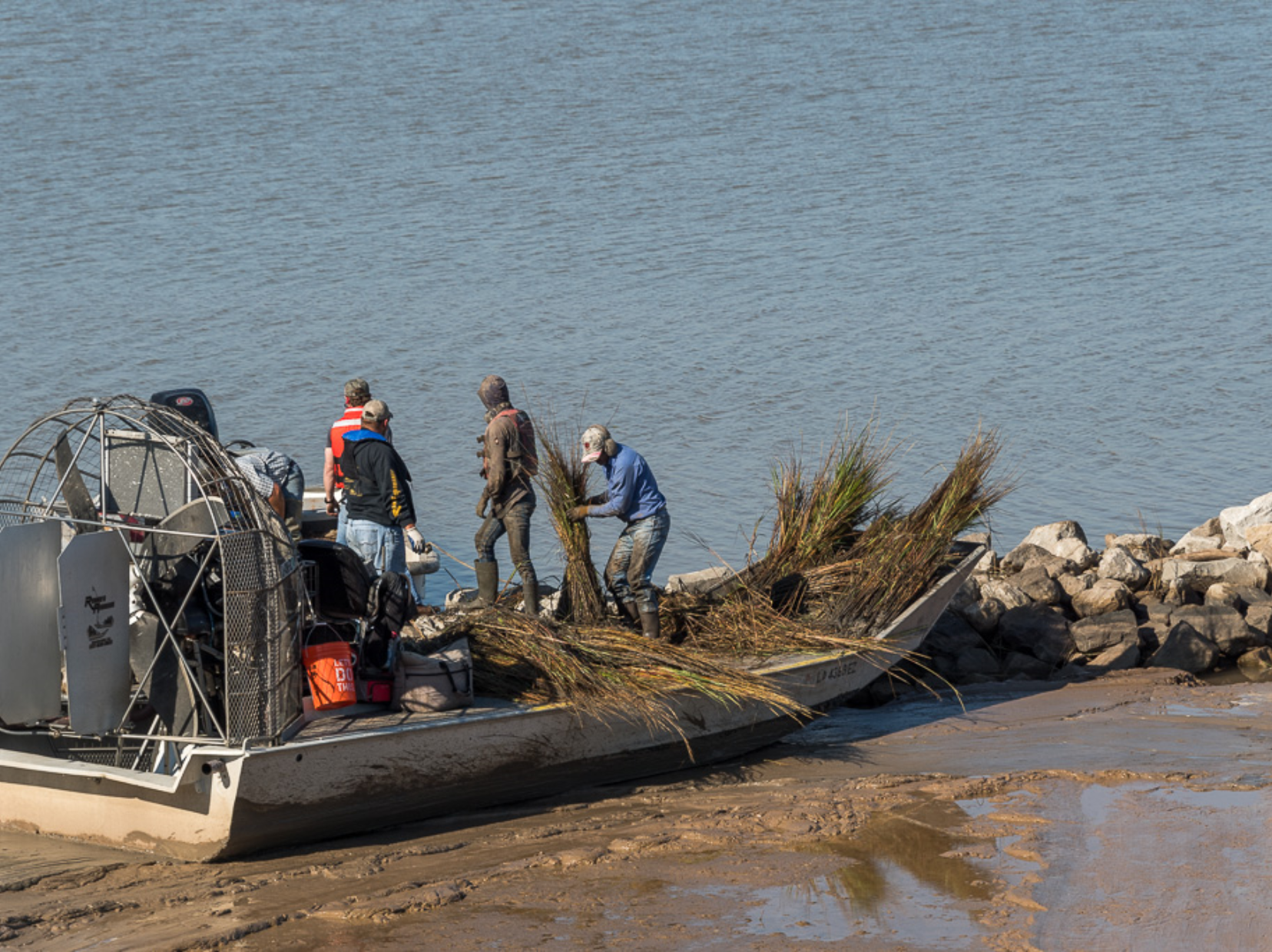
When it comes to conservancy, we seek to increase the quality and scope for each type of wetland that we may impact and to preserve or create new habitats for coastal fish and wildlife species. Freeport LNG has donated nearly 350 acres of land containing various types of habitat to conservation groups and manages another 35 acres of created wetlands at and around our facilities on Quintana Island. These areas host a variety of shore and wading birds, including roseate spoonbills, gulls, avocets, stilts, and many others.
Waste Reduction Efforts
Managing Effluents
Managing the discharge of liquid waste in all of its forms is a vital part of our environmental stewardship. We have developed extensive plans and procedures to assess, store, transport, and dispose of effluents including wastewater, storm water, process water, and sanitation wastes.
Freeport LNG has implemented thorough spill prevention control and countermeasures to minimize the likelihood of an effluent breach. However, should a spill occur, we strictly adhere to our control and response measures to help protect the safety of our personnel, community, and environment.
Resource Recycling and Waste Management
Freeport LNG has made a strong commitment to recycling materials at all sites. We have been able to recycle soils, rock, concrete material, and even vegetation. For example, to build up the terminal site, we used dredged material and soil from our marine-berth area, which avoided hauling fill material to the site and reduced traffic on the island. Sand obtained from the dry excavation of the marine basin was separated and used for padding the pipeline trench during pipeline construction. We also used material that was excavated during the construction of our barge dock to create new wetland areas along the Intracoastal Waterway.
Boil-off gas created while the LNG facility is operating is not vented or flared but recovered and sent via pipeline to the pretreatment facility where it is used as fuel for a gas turbine power generator and fired heaters. Freeport LNG employs advanced recycling methods to capture waste heat from the generator and applies it to regenerate materials used in the gas pretreatment processes.
At our facilities, we follow waste-minimization plans and waste storage and labeling procedures. A qualified and licensed third-party has been contracted to collect, transport, and properly dispose of our hazardous and non-hazardous waste and to assemble data about those collections to prepare for submittal to the appropriate regulatory agencies.
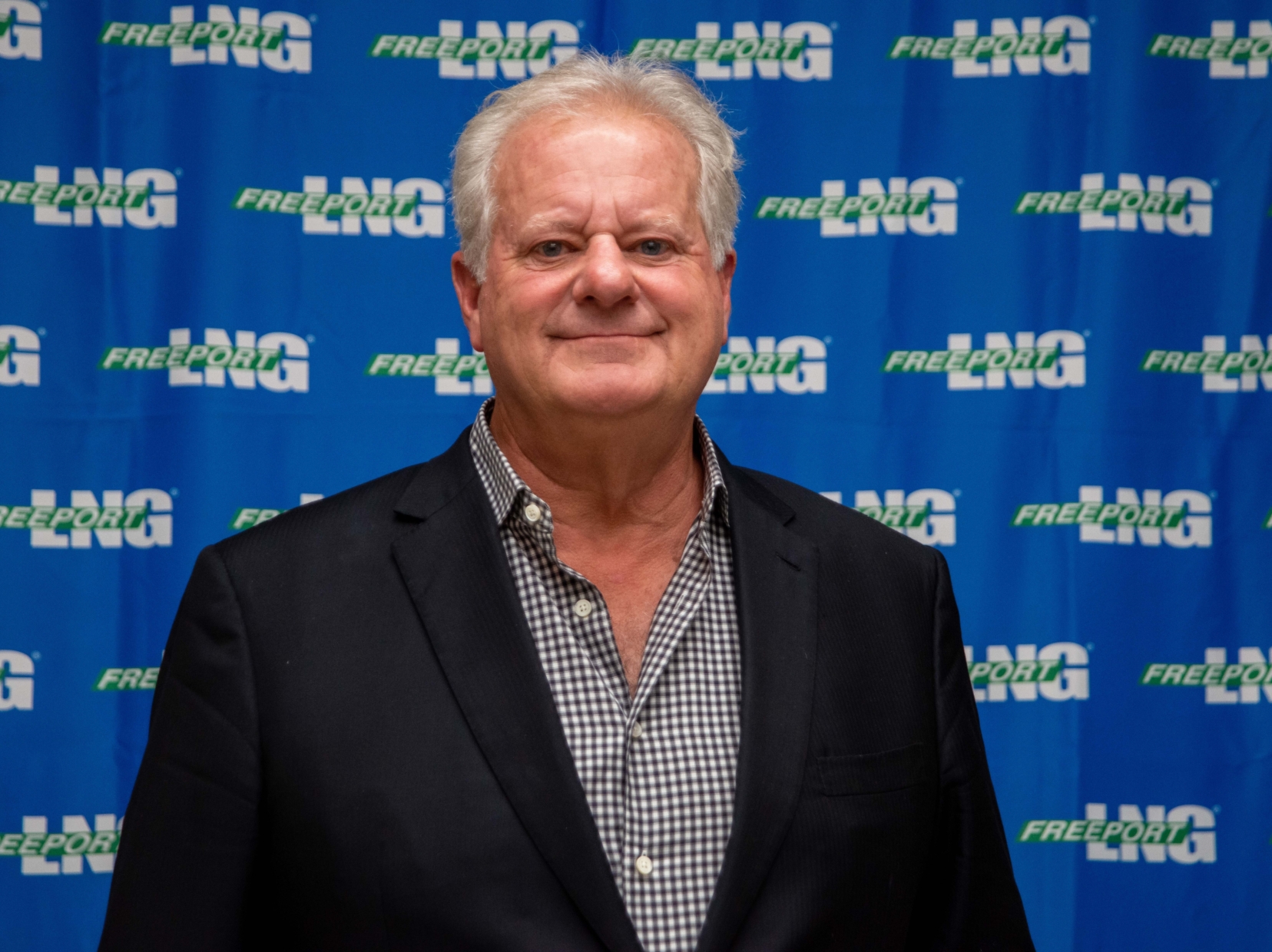 Michael Smith, Founder, Chairman and CEO