Safety. Discipline. Commitment. Resilience. Those words best describe 2024 for Freeport LNG. We marked several notable achievements and milestones last year and that success would not have been possible without the hard work, dedication and contributions of our workforce.
Starting with safety, our top priority. Our teams worked just over 2 million man-hours in 2024, with a Total Recordable Incident Rate (TRIR) for the year of 0.095. That TRIR is significantly better than the industry average of 0.29, an achievement for which we are very proud. However, we know that we cannot relax our continuous commitment to protecting ourselves, our colleagues, our facilities, and our community in all that we do. We are always striving to do more as it relates to safety, and we continue to bolster our safety culture through several key initiatives, which are detailed in the Health and Safety section of this report.
From an operations standpoint, Freeport LNG overcame unforeseen events in 2024 that were outside of our control – namely, defects identified in all nine of our refrigerant compressor motors across our three liquefaction trains and a direct hit from Hurricane Beryl. Even with the significant recovery efforts needed to address these two major events, we were able to progress key initiatives including:
Completion of our facility debottlenecking project, resulting in multiple daily LNG production rates in excess of debottlenecking projections
Completion of Hot Air Recirculation (HAR) mitigation, which will minimize the amount of hot air recirculation at our liquefaction facility that impedes LNG production rates during summer months
Progressed plans for replacement fan blades of the Air-Cooled Heat Exchangers at our pre-treatment and liquefaction facilities – upgrades to 48 fans at our pre-treatment facility and 458 fans at our liquefaction facility will provide improved cooling efficiency, which is anticipated to yield higher LNG production and hurricane resiliency
Completion of improvements to voltage fluctuation ride-through capability when our liquefaction facilities are affected by power grid voltage disturbances; completion of this work has already increased the overall operational reliability of our liquefaction facilities
Thanks to the diligence of our teams in implementing these projects and other operational initiatives, Freeport LNG was able to close 2024 performing at our highest availability, reliability and LNG production levels to date.
As it relates to organizational hierarchy, we implemented key leadership changes across the company in 2024, including that of President, Chief Financial Officer, Treasurer, Chief Operating Officer, Safety, Security and Engineering. We embarked on a path to strengthen our organization with expertise in all areas of our business that are core to Freeport LNG’s sustained success. These organizational changes are intended to build organizational muscle and drive improvement in all aspects of our business through enhanced transparency, accountability, efficiency and reliability. I am confident that these significant leadership changes to our organization and business processes in 2024 will deliver sustained success for Freeport LNG in the years ahead.
When it comes to the broader LNG market, with growing global demand for energy in emerging economies and from continued growth in AI and related data center energy consumption around the world, clean, affordable and reliable LNG remains the answer. As more and more countries are looking for additional energy resources to meet growing demand, and cleaner energy alternatives beyond coal, that is only going to continue to drive the demand and need for more U.S. LNG.
With our all electric-drive facility, which dramatically reduces emissions relative to gas turbine fired facilities, Freeport LNG continues to be well-positioned to provide our customers with the cleanest LNG in the industry.
The growth of the U.S. LNG industry has been nothing short of extraordinary. The sheer magnitude of both the domestic economic benefit and the U.S. geopolitical influence provided by the U.S. LNG industry’s entry into the global marketplace in an incredibly short period of time is unprecedented.
Specific to Freeport LNG’s positive economic impacts, through a third party local economic impact study, it is estimated that Freeport LNG’s activities contributed almost $640 million, directly and indirectly, to the Brazoria County economy in 2024 alone and supported almost 1,100 jobs in the county, while providing $26.5 million in revenues for local taxing jurisdictions in 2024.
We value the communities in which we operate and remain committed to being not only a good neighbor, but a valued contributor to the local economy as well. More detail about our annual community, philanthropic and stakeholder support is noted in the Community section of this report.
The era of U.S. energy dominance is here, and we look forward to bolstering our current market position as a leading LNG exporter to our global allies. In 2025 and beyond, Freeport LNG remains committed to delivering strengthened process safety management, improved long-term financial health, and continuous improvement efforts across our organization.
Michael Smith, Founder, Chairman and CEO
2.
FLNG
Health & Safety
Safety is priority one at Freeport LNG. No Exceptions. The safety of our workforce, the community in which we operate and the general public is top of mind, every day.
Freeport LNG’s safety culture is centered around three key priorities:
Safe Operations
Maintaining a proactive safety culture
Organizational Capability
Strengthening organizational capacity while focusing resources on the most critical priorities
Strategic Initiatives
Maintaining our operations management systems while measuring performance, and focusing on continuous improvement
The foundational pillars of Freeport LNG’s safety culture is our commitment to health & human safety and Process Safety Management (PSM).
In 2024 we continued to progress several PSM initiatives including Pre-Start-Up Safety Reviews (PSSR’s) and Stop Work Authority. Stop Work Authority allows our employees and contractors, as well as visitors to our work sites, to Stop Work if an unsafe work practice is observed. Our Stop Work Authority process is a reminder that working safe is everyone’s responsibility, whether an employee, contractor or visitor.
Additionally, in 2024 we launched our “Make it Safe. Make it Personal. Make it Home.” safety campaign. As part of the campaign, employees signed safety pledge cards, reiterating their commitment to work safe. The campaign also engaged our employees by having them submit photos of their reasons for working safe. Those photos are displayed at Freeport LNG work sites via our digital signage screens. Also as part of the program’s launch, we invited employees’ children to create their own work safe safety posters. Their creations were also displayed at our work sites.
The commitments outlined in our “Make it Safe. Make it Personal. Make it Home” campaign live at the core of our culture and guide every decision that we make to ensure everyone goes home safe, every day.
Team
We strive to be a model employer. We believe employees should work under safe, healthy, respectful and fair conditions. We implement strategies that encourage and leverage the unique contributions of employees with diverse backgrounds, while also giving them opportunities to learn and grow. We believe this builds a collaborative culture that upholds the principles that define us as a company and drive our actions.
Workforce Training 2024
24,9140
Courses Completed
14,1530
Hours of Training
Workforce Training
Freeport LNG believes that a well-trained workforce, provided with the necessary tools and support, sets us up for success. Through a combination of work assignments, on-the-job experiences, and focused training and education, employees acquire the necessary skills and competencies to take on increasing levels of responsibility and job complexity.
We fund employees’ post-secondary educational goals up through the Master’s Degree level, as well as external professional certifications and continuing education requirements to support those certifications. We encourage attendance at professional conferences and targeted technical training.
Internally, employees adhere to a strict training schedule that helps to achieve safe, reliable and efficient operations that comply with regulatory requirements and industry best-practices. This training is conducted through hands-on, classroom and online coursework covering a wide variety of topics.
Trainings
2023
2024
# of Trainings Assigned
13,292
25,130
# of Trainings Completed
13,280
24,914
Training Hours (ILT)
23,920
14,153
Training Hours (ILT)
4,334
3,530
Building a Skilled Workforce
Freeport LNG employs highly qualified individuals and is continually investing in the development of their skill sets.
All employees undergo regular training in areas within and outside their job role based on their defined training plan. Through a combination of work assignments, on-the-job training, training simulation, professional development, and focused continuing education, employees perform their work competently and safely. They continue to acquire the necessary skills and competencies to take on increasing levels of responsibility and job complexity. As noted above, following the June 8th incident we are significantly increasing Process Safety Management training, among others, to further reinforce a safe work environment.
Talent Attraction and Retention
We value the diverse strengths of our employees who each bring their unique skills and experience to our team. As part of the Freeport LNG team, employees work side by side with top performers in the LNG industry.
Freeport LNG is unique in terms of our location. With headquarters located in Houston, the global energy capital, and the Terminal facilities located on the Gulf Coast in Brazoria County, an epicenter of industrial, petrochemical, and natural gas-related activity, hiring local talent is a convenience we don’t take for granted.
We believe that when employees are fairly compensated, work in a safe environment, and are provided excellent benefits for them and their families, they have peace of mind.
We dedicate ourselves to developing our employees and preparing them for the next level of opportunity. When we must look outside of our workforce for talent, we offer referral bonuses to employees for referring highly qualified candidates.
As the demand for LNG talent in the United States has increased with recent new entrants into the market, Freeport LNG’s employees are natural targets of our competitors given their notable specialized LNG industry experience. While we have seen some employees leaving Freeport LNG for other opportunities, resulting in a slight year-over-year increase of our historically low turnover rate, we have had significant success in retaining the vast majority of our workforce.
2023
2024
Total Employee Turnover Rate
11.01%
8.51%
Voluntary Turnover Rate
8.20%
5.61%
Lifestyle and Benefits
To support our employees and their families, we provide a highly competitive compensation and benefits package. When employees know that their loved ones are cared for, they incur less stress and perform better.
We encourage our employees and their families to live an active and healthy lifestyle. Incentives include a reimbursement for memberships to fitness centers and classes, annual health assessments, and online educational resources related to health and nutrition.
The following benefits support our employees’ health and financial well-being
Medical, dental, and vision insurance
Tax-Advantaged Accounts
Life Insurance and Critical Illness Insurance
Business Travel Accident Insurance
Wellness Reimbursements and Incentives
401K Retirement Plan
Parental Leave
Short and Long -Term Disability Income Protection
Bereavement Leave
Paid Holidays and Paid Time Off for vacation and sick days
Employee Assistance Program
Health Advocate
Telemedicine
Pet Insurance
Identity Theft Protection
Wellness Initiatives
In 2024, we continued to offer employees a variety of offerings through our company wellness program. Our wellness program is comprised of an overall point system that awards employees for participating various events.
Our 2024 wellness program offerings included:
Monthly wellness webinar topics based on behavioral health and doctor’s visits
Implemented Financial Wellness and Advice through Captrust
Onsite biometrics screenings
Employee participation in the Susan G. Komen Race for the Cure
Employee participation in Step Challenge
Moved from Rightway Health to Ask Charlie, a concierge service offered to direct hire employees to provide assistance with insurance coverage questions and billing
Part of this offering is assistance with Medicare questions
Talent Management
In 2024, we continued to progress our efforts of increasing hiring across the organization, in order to allow for improved work-life balance for our employees, particularly for our LNG terminal operations, maintenance and engineering staff.
Freeport LNG also launched its inaugural summer internship program in 2024 and participated in multiple career fairs including the University of Houston Engineering Job Fair and career fairs and seminars at Brazosport College.
Employee engagement is a key tenet of our organization. We conduct a monthly safety and communications meetings at both our Terminal and Headquarters locations that are open to all employees. Our CEO issues quarterly updates to all employees, and we maintain a well-updated website. We also conduct regular lunch and learns around IT, cybersecurity, and other topics and make significant additional employee investments in safety awards, employee accomplishments, training, etc.
We look forward to continuing all of our employee engagement activities in 2025 and beyond, bolstering our commitment to involving and educating our employees on key organizational events, initiatives and milestones.
Employee Engagement
3.
Environment
Climate-Related Financial Disclosures
Acute
Chronic
Policy & Legal
Technology
Market
Reputation
Physical Risks
Transition Risks
Identifying and managing business and financial risks and opportunities presented by the impacts of climate change is critical to the success of our business. Capitalizing on the opportunities to provide clean energy solutions, for the betterment of our society and the world as a whole, takes a focused and disciplined approach to identifying, managing and mitigating risks to our business presented by climate change. In 2017, The Financial Stability Board’s Task Force on Climate-related Financial Disclosures (TCFD) established recommendations for voluntarily climate-related reporting, including with respect to governance, strategy, risk management and metrics. Freeport LNG has voluntarily implemented many of the TCFD disclosure recommendations.
The TCFD recommends outlining potential climate risks into categories that affect our industry. The TCFD divides climate risks into two major categories: (1) physical risks – those related to the physical impacts of climate change; and (2) transition risks – those related to the transition to a lower carbon economy. Transition risk is further divided into four categories: policy and legal risk; technology risk; market risk; and reputation risk. Physical risk is divided into acute and chronic risk.
In the tables below, we have identified potential climate related physical and transition risks affecting our business, potential opportunities presented by climate change, and descriptions of the potential financial impacts for each. We continually identify and monitor these and other evolving risks and opportunities through our Enterprise Risk Management and ESG committees.
Climate Risks
Category
Climate Related Risk
Potential Financial Impact
Physical Risk – Acute
Increased frequency and severity of extreme weather events
Damage to facilities; interruption of operations; unavailability of insurance; increased insurance costs; increased infrastructure costs to protect facilities
Physical Risk – Chronic
Rising sea levels; rising temperatures
Damage to facilities; unavailability of insurance; increased insurance costs; increased infrastructure costs to protect facilities; decreased worker productivity
Transition Risk – Policy and Legal
Increased governmental regulatory reporting requirements; more extensive reporting requirements
Imposition of additional carbon mitigation policies and regulations
Higher natural gas prices; higher taxes; additional infrastructure costs to meet compliance requirements
Imposition of additional restrictions on natural gas production
Constrained gas supply; higher natural gas prices; reduced competitiveness with foreign LNG producers
Imposition of additional restrictions on expanding or continuing natural gas transportation infrastructure
Constrained gas supply; higher natural gas prices; higher natural gas transportation costs; reduced competitiveness in global LNG market
International government restrictions on importing LNG
Constrained global demand for LNG; increased cost to meet buyer requirements
International government policies promoting high cost or supply constrained renewable technology and discouraging investment in existing technology
Sustained cost escalation for materials, inputs and energy needed to operate facilities; higher operation and maintenance costs
Transition Risk – Technology
Technological advancements that reduce cost or increase dependability of renewable energy alternatives
Increased competition for LNG; shift in market demand preferences away from LNG
Transition Risk – Market
Change in customer sentiment
Shift in market demand preferences away from LNG
Market opposition to domestic natural gas production
Constrained natural gas supplies; increased natural gas prices
Market opposition to domestic natural gas infrastructure
Increased natural gas production and transportation costs; increased natural gas prices
Transition Risk – Reputation
Negative public perception of natural gas or natural gas industry
Higher financing costs; constraints on availability of new financing; constraints on capital availability; additional public relations costs; increased talent retention costs
Climate Related Opportunities
Category
Climate Related Opportunity
Potential Financial Impact
Plant Optimization
Leverage all electric drive plant design and related lower relative emissions to differentiate from market competition
Increased LNG sales; increased revenue
Invest in facility debottlenecking and design improvements to increase aggregate production and operational efficiency
Increased LNG sales; reduced per unit production costs; reduced per unit carbon intensity; increased plant efficiency; increased revenue
Emissions Reduction
Invest in facility design improvements to increase aggregate production and emissions mitigation
Reduced operating costs; increased customer demand due to lower emissions profile; reduced exposure to additional regulatory compliance costs
Pursue industry best practices in emissions monitoring, calculating and reporting.
Increased customer demand due to lower emissions profile; reduced exposure to additional regulatory compliance costs
Invest in new technology or infrastructure to further reduce direct carbon footprint
Reduced per unit carbon intensity; reduced exposure to additional regulatory compliance costs; increased LNG sales; increased revenue
Increase portion of power supply derived from renewable energy sources
Reduced per unit carbon intensity; increased LNG sales; increased revenue
Engage with customers and other participants in LNG supply chain to quantify and mitigate lifecycle emissions
Increased LNG sales; increased revenue; market differentiation; continued access to financing sources; continued access to capital; improved public perception
Strategic planning
Leverage electric-drive design and low relative emissions to structure low-carbon LNG cargo sales
Increased LNG sales; increased revenue; enhanced reputation; continued access to global demand for less carbon intensive LNG
Enhanced focus on sustainability and transparency in climate policy
Increased LNG sales; increased revenue; market differentiation; continued access to financing sources; continued access to capital; improved public perception
Shifting Public and Policy Sentiment toward Less Carbon Intense Energy
Capitalize on growing demand in emerging markets for LNG to replace coal and other more carbon intense energy sources
Increased LNG sales; increased revenue
Climate
Climate protection and preservation are foundational tenets of our business. Our liquefaction facility is the largest all-electric motor-driven LNG production plant of its kind in the world, and the only one in the United States. The LNG we deliver is the most environmentally sustainable of any LNG produced today.
Worldwide, coal serves as the primary power generation source of electricity, despite its high carbon emissions intensity. According to the United Nations, the global population is projected to grow to over 8.5 billion people by 2030, about a 300 million person increase over 2024.[1] As the standards of living among growing populations improves, ever-increasing energy resources will be required to meet their power needs. Freeport LNG is uniquely positioned to meet the challenges of the growing global energy economy, providing an environmentally responsible alternative to the deployment of more coal and other dirtier fuels to meet increasing power generation needs. As we move forward from 2024 and the increase in coal penetration due to the war in the Ukraine, the importance of accessible LNG globally was made even clearer if the world is to come close to decarbonization goals.
Our use of electric motors allows us to reduce associated plant emissions by over 90% relative to the typical natural gas-fired LNG plant. This not only safeguards the air in our communities, it also enables us to produce LNG with significantly lower carbon intensity relative to our competitors.
In addition, our use of electric motors allows Freeport LNG to take advantage of its location in one of the most diverse renewable power generation markets in the United States. In 2024, wind, solar and nuclear power comprised just over 40% of the electricity generated on the Electric Reliability Council of Texas (ERCOT) grid[2]. As the renewable share of ERCOT generating capacity continues to grow over the coming years, this will further reduce the carbon intensity of LNG produced at the Freeport LNG facility, and enhance the already significant environmental benefits associated with the LNG we deliver.
In order to further capitalize on the unique environmental benefits of our low-carbon LNG, efficient operations are top of mind. As we continually optimize our facilities to maximize LNG production, we drive down the per-unit environmental impact of the energy we deliver. The more volumes Freeport LNG places in the global market, the greater our contribution to the critical transition from coal and other dirty fuels to a clean energy source with less waste and fewer global emissions.
The competitive strength of our low-carbon LNG allows us to take advantage of growing market demand for sustainable LNG supplies, and furthers the already substantial environmental benefits inherent in LNG’s displacement of coal-fired electric generation in China, India and even Europe after their transition away from Russian gas in 2022. We are heavily engaged in marketing our low-carbon LNG. Low-carbon LNG’s growth in global importance also presents additional opportunities to further reduce lifecycle emissions associated with LNG, including with respect to enhanced carbon efficiency in gas supplies and in LNG shipping.
As we transition to a carbon neutral global economy, the world has an opportunity to lower its carbon footprint with energy technology that’s readily available today in the form of LNG. Freeport LNG stands uniquely ready to support this long-term transition, by providing some of the lowest carbon-intensity LNG available in the world.
[2] See 2023 Fuel Mix Report at: https://www.ercot.com/gridinfo/generation.Texas ERCOT Fuel Mix Report, accessed January 2024. Chart indicates percentage share of overall power generation in a given year, by source
Climate Strategy
There is simply no better tool than natural gas to enable a sustainable global energy transition, balancing environmental stewardship in developed countries with ensuring their populations access to readily available, secure, affordable and flexible energy supply to heat and cool homes and keep businesses operating. In developing regions, wealth continues to grow, with millions more people needing access to affordable and sustainable energy every year. Natural gas has a transformative role to play in the developing world, providing the foundational building block for improving lives, increasing opportunities and lifting people out of poverty. Freeport LNG plays a leading role in this societal progress, providing the unique energy source needed to meet our critical environmental and humanitarian objectives.
While adherence to strict local, state and federal regulatory requirements establishes a baseline that governs our overall environmental management, our climate strategies take us above and beyond these requirements, marrying our environmental stewardship with our efforts to advance the sustainability of our product.
Sustainable Support for the Energy Transition
Our electric drive motors position us as leaders in our industry – our efficiency will only improve.
With approximately 90% fewer emissions than turbine drive facilities, we provide our customers and ultimate end consumers with low carbon intensity LNG. Our electric drive motors enable us to take advantage of the high and growing relative percentage of renewable power in the Texas energy grid, further enhancing the low-carbon intensity of our LNG. These incredibly efficient electric drive motors, coupled with our APCI main cryogenic heat exchangers, also provide opportunities to optimize our production to deliver incrementally more LNG with the same kit and power usage – thus lowering the carbon intensity of each BTU of LNG produced.
Supply Chain and Customer Engagement
We work to integrate sustainability into our supply chain.
As a largely tolling facility, we do not control the incoming gas flows and power consumption for the majority of the LNG we produce. However, for the portion of gas and power purchases we do control, we are working to develop procedures whereby the carbon intensity of the LNG we delivering can be measured. For example, we are able to secure renewable power supply from the Texas grid, and we have fully implemented third party carbon intensity certification capability for LNG we deliver in accordance with the framework established by the International Group of Liquefied Natural Gas Importers.
Operational Excellence
Safety of our employees and our community is always priority number one.
We live in the community where we operate. Measurement of emissions and detection of potential issues is a paramount focus, enabling us to assess our overall emissions and identify gaps in measurement and emissions control. This effort takes us beyond minimum regulatory requirements, and allows us to understand every component of our emissions to ensure successful mitigation where needed.
Communication
Transparency
Though a private company, we have always been transparent with our key stakeholders and, with our continuation of this annual report, the public at large. We are proud of our leadership position in the energy transition and want to use our data and success to promote both ourselves and our industry – LNG is the fuel that will secure the prosperity of developed countries, and satisfy the energy needs of growing global middle class in the developing world.
A Strategic Vision for Sustainable Success
We are committed to the responsible and proactive management of important ESG impacts, risks and opportunities. This includes a strategic focus on ensuring that our operations are resilient in the global energy transition and deliver lasting value to our customers and stakeholders.
With sustainability as our focus, we continue to support the transition to a lower-carbon future. We are strategically focused on continuous improvement of our environmental performance and disclosures, and we are advancing several key projects and initiatives that are indicative of our commitment to lessening our carbon footprint across our operations.
Noble Gas/Helium Project
Production from our Noble Gas/Helium Project is expected to commence soon. The project will extract helium from compressed natural gas returned from liquefaction to our Pretreatment Facility in our boil-off gas pipeline.
Helium is a finite resource characterized by the United States Department of the Interior as a critical mineral vital to the nation’s security and economic prosperity. Extraction of helium associated with the production and storage of LNG is one of only three ways that helium can be captured. The primary application of domestic helium use is in magnetic resonance imaging machines for medical diagnostics, space exploration, and defense systems. Our Noble Gas Project promotes economic and energy efficiency by capturing a finite resource that would otherwise be lost and putting it to beneficial use.
Marine Barge Terminal Project
We continue to explore the potential to add barge loading facilities. This project would enable LNG bunker barges to lift LNG from our facility for ship-to-ship delivery to LNG-powered seagoing vessels utilizing LNG as a cleaner burning alternative to other marine fuels, thereby directly supporting the reduction of GHG, sulfur, nitrogen oxide and other emissions in maritime transport and furthering Freeport LNG’s overall climate objectives, both regionally and globally.
Environmental Stewardship
Operating with a commitment of environmental stewardship means that we have a responsibility to strive towards leaving the environment in a better condition than how we found it each and every day for the good of our workforce, the communities in which we work and live and the world-at-large.
Keeping environmental preservation top of mind requires us to satisfy stringent regulatory requirements around air emissions, water protection, waste disposal, leak prevention, land management, and other aspects of environmental protection.
Freeport LNG’s operations are regulated by state and federal agencies. We also work closely with local agencies to ensure that we safely and successfully manage our operational footprint in the local community.
From a local agency perspective, we work with the following organizations:
Brazos Pilots Association
Brazosport Water Authority
Town of Quintana
Village of Surfside Beach
Brazoria County Floodplain Administrator
Velasco Drainage District
Brazoria County Engineer
Port Freeport
City of Freeport
City of Oyster Creek
As it pertains to state and federal oversight of our operations, the regulatory process starts with the Texas Commission on Environmental Quality (TCEQ). The TCEQ regulates emissions from all of Freeport LNG’s facilities. Freeport LNG holds permits issued by the TCEQ that outline pollutant limits for all emission points. The TCEQ also defines many of our operating parameters.
When it comes to regulating Freeport LNG’s pipelines and underground natural gas storage facility (UGS), we adhere to guidelines set by the Railroad Commission of Texas (RRC). In addition to operating our pipelines within RRC regulations, we also adhere to regulations set forth by the Pipeline Hazardous Materials Safety Administration (PHMSA).
From a federal oversight standpoint, Freeport LNG’s operations are regulated by the Federal Energy Regulatory Commission (FERC). FERC authorizes construction and regulates operation of LNG facilities.
Managing LNG cargoes that arrive at our docks means working with and abiding by regulations set forth by agencies that regulate waterways. Freeport LNG works closely with the U.S. Coast Guard (USCG). The USCG regulates all waterside operations as well as safety and security of the LNG facility under the direction of the Department of Homeland Security.
Rounding out the federal regulatory oversight of our operations, is the Environmental Protection Agency (EPA). The EPA regulates all of the site’s water discharge in the form of storm water and process wastewater.
Mitigation and Preservation
Knowing the environmental significance of the Quintana area, Freeport LNG took special care in facility design. Not only are there delicate wetlands around our facilities, but the region also has a long history as a commercial shrimping and sport fishing center and lies in North America’s most active flyway for migrating birds. Our goal is to ensure that our operations preserve and maintain the ecosystem and enhance the environment around us.
Our environmental stewardship began as the company initiated site selection, engineering, and permitting of the original LNG import project. This commitment has become a hallmark of how we construct and operate our facilities.
Nature and Wildlife Habitat Conservancy
When it comes to conservancy, we seek to increase the quality and scope for each type of wetland that we may impact and to preserve or create new habitats for coastal fish and wildlife species. Freeport LNG has donated nearly 350 acres of land containing various types of habitat to conservation groups and manages another 35 acres of created wetlands at and around our facilities on Quintana Island. These areas host a variety of shore and wading birds, including roseate spoonbills, gulls, avocets, stilts, and many others.
Waste Reduction Efforts
Managing Effluents
Managing the discharge of liquid waste in all of its forms is a vital part of our environmental stewardship. We have developed extensive plans and procedures to assess, store, transport, and dispose of effluents including wastewater, storm water, process water, and sanitation wastes.
Freeport LNG has implemented thorough spill prevention control and countermeasures to minimize the likelihood of an effluent breach. However, should a spill occur, we strictly adhere to our control and response measures to help protect the safety of our personnel, community, and environment.
Resource Recycling and Waste Management
Freeport LNG has made a strong commitment to recycling materials at all sites. We have been able to recycle soils, rock, concrete material, and even vegetation. For example, to build up the terminal site, we used dredged material and soil from our marine-berth area, which avoided hauling fill material to the site and reduced traffic on the island. Sand obtained from the dry excavation of the marine basin was separated and used for padding the pipeline trench during pipeline construction. We also used material that was excavated during the construction of our barge dock to create new wetland areas along the Intracoastal Waterway.
Boil-off gas created while the LNG facility is operating is not vented or flared but recovered and sent via pipeline to the pretreatment facility where it is used as fuel for a gas turbine power generator and fired heaters. Freeport LNG employs advanced recycling methods to capture waste heat from the generator and applies it to regenerate materials used in the gas pretreatment processes.
At our facilities, we follow waste-minimization plans, waste storage and labeling procedures. A qualified and licensed third-party has been contracted to collect, transport, and properly dispose of our hazardous and non-hazardous waste. We have also obtained a third- party recycling company to handle all of our used oil and oily water.
4.
Community
Community
Our success depends on our ability to meet our stakeholders’ expectations without risk to the community, the environment, our employees and our business. Our commitment to responsible operations extends to making a positive impact on the local community beyond our fence line. At the heart of this success is building and maintaining the distinctive culture that drives our workplace and differentiates us in our industry.
Freeport LNG works closely with local communities where we operate to help support their needs while earning their trust. We collaborate with stakeholders, elected officials and community leaders to invest in programs that promote local economic growth and improve social conditions. We hold memberships in local business and industry organizations, supporting them with the time and talents of our employees through various volunteerism activities. Over the years, we have built a reputation as a credible, accountable, generous and trustworthy neighbor.
COMMUNITY AND STAKEHOLDER ENGAGEMENT
Identifying, evaluating, and addressing community issues takes collaboration across our organization, including environmental, legal, regulatory, operations and business development functions. We engage with our stakeholders and local communities regularly to strengthen our stakeholder participation and communication, and to enhance community acceptance.
Local Stakeholder Engagement and Access to Information
Freeport LNG makes good faith efforts to notify all affected stakeholders regarding project activities, including landowners, towns and communities, and local, state, and federal governments and agencies. Freeport LNG is an active member of and a contributor to the Brazosport Community Awareness and Emergency Response (CAER) network. CAER provides information to the community in the event an emergency should occur from one of CAER’s member companies. CAER also provides trained personnel and equipment from area industry to respond to emergencies, and conducts annual joint emergency response drills with CAER members based upon different scenarios. Additional information regarding CAER is available at https://www.brazosportcaer.com/, where members of the public can sign up to receive notice of emergency situations or critical community alerts.
Freeport LNG maintains a website (www.freeportlng.com) where up-to-date relevant information is provided to stakeholders and members of the community. Additionally, important safety information is also available on this website. Any organization or member of the public can express their views, comments or grievances at any time to Freeport LNG directly by utilizing the “contact us” feature on the website or by contacting us toll free at 1-800-303-6545. Freeport LNG also mails out relevant information to affected landowners during various stages of new development projects.
Should a member of the public wish to file a comment or grievance with FERC directly, they can do so through the FERC eComment feature on their website https://ferconline.ferc.gov/FERCOnline.aspx .
Key Stakeholder Engagements
Public Presentations: We maintain relationships with numerous stakeholders and organizations so that we can work proactively to address the community’s concerns and needs. Examples of this engagement include:
Conducting one-on-one briefings throughout a project cycle with elected officials of all levels of government;
Making presentations at local city council meetings;
Delivering public presentations to local economic development organizations, chambers of commerce, business organizations, trade organizations, and civic organizations such as Rotary International;
Conducting informational briefings with local public school districts and Brazosport College;
Holding open houses and meet-and-greets, where information is shared about our company and relevant projects; and
Visiting near-neighbor Home Owners’ Associations to provide updates on project advances.
Respect for Indigenous Peoples and Cultural Preservation
We respect indigenous peoples and aim to preserve the culture of indigenous communities near our operations. During our permitting processes, we notify federally recognized Native American Indian tribes that have potential interest in the general area where Freeport LNG’s facilities are to be built for our planned activities. Additionally, Freeport LNG maintains an Unanticipated Discoveries Plan that includes a provision to contact Native American Tribes, if warranted.
Freeport LNG sends information to these Native American Tribes to provide an opportunity for them to review and comment on proposed developments. They can report a grievance at any time to Freeport LNG by utilizing the “contact us” feature available on our website (www.freeportlng.com) and to FERC through direct government-to-government coordination or the eComment feature on their website https://ferconline.ferc.gov/FERCOnline.aspx .
Stakeholder Feedback
We value all input from the community but when we receive a question or concern from a stakeholder, it is our desire to respond as quickly as possible so the matter can be properly and promptly addressed. First, our Public Information Officer receives notification and registers the issue along with the concerned party’s contact information. We then respond to that stakeholder to confirm that their comment was received and that we are looking into the matter. Third, we route the matter to the proper department or individual or, if needed, escalate the issue to senior management. The Public Information Officer will then monitor progress toward resolution of the matter, and communicate a proposed resolution to the stakeholder or seek additional feedback as needed. Our hope is to successfully resolve all matters. If an issue remains unresolved, we will continue to monitor the situation for possible future action.
Our Focus
Community Pillars
Public Safety
Education & Workforce Development
Environment and Wildlife Sustainability
Access to Quality Healthcare
Quality of Life
SOCIAL INVESTMENTS
Contributing to the communities where we live and work is a top priority for Freeport LNG. We are honored to donate time, money, and resources to worthy causes that improve the lives of our employees, their families, and their neighbors.
To guide our social investment activities, Freeport LNG developed a Corporate Citizenship Roadmap providing priorities for Corporate Citizenship and Philanthropic activities. This strategy is aligned with our corporate objectives and purpose as well as the economic, social and environmental dimensions of sustainable development. Our performance aligns with international standards, including the United Nations Sustainable Development Group (UNSDG) guiding principles. This includes our focus pillars of:
Public Safety
Education & Workforce Development
Environment and Wildlife Sustainability
Access to Quality Healthcare
Quality of Life
We provide philanthropic funding and employee volunteerism to support these pillars. This strategy is continually buttressed by our stakeholder engagement efforts that keep us abreast of, and aligned with, community needs and priorities.
In 2024, we invested more than $2.2 million in our local community through charitable donations and contributions.
Public Safety Pillar
At Freeport LNG, our partnerships with local fire, EMS and other first responders are necessary to safely maintain operations. We know that the broader community depends on those same first responders to be adequately trained and have the equipment they need to do their jobs.
Freeport LNG is proud to provide financial support to local emergency response organizations as part of an annual tradition of annual community giving. We have written agreements with various emergency response organizations, including Freeport Fire Department, Freeport Police Department, Brazoria County Sheriff’s Department, CAER and the U.S. Coast Guard, that commit Freeport LNG to fund the cost of emergency response drills and provide LNG fire training. Fighting an LNG fire takes specialized training. Every year, Freeport LNG provides intense specialized training for our own employees and the fire fighters of the Freeport and Oyster Creek Fire Departments. Training is conducted at the industrial fire training school of the Texas A&M Engineering Extension Service in College Station, Texas or the Industrial Rescue Instructional Services Facility in Beaumont, Texas. During the multi-day course, a variety of experiential exercises are used to demonstrate the properties of LNG and the safest ways to combat possible emergency scenarios.
For nearly 20 years, Freeport LNG has donated funds to first responders for equipment such as patrol boats and SUV’s, beach rescue vehicles, and RADAR guns. In 2024, Freeport LNG made $10,000 donations to Freeport Fire & EMS, the Lake Jackson and Surfside police departments and the Oyster Creek Fire Department.
The emergency response community, including industry partners, are able to come together quickly to assist when needed. We are grateful for their efforts and their commitment to the safety of our personnel and the surrounding community.
Education and Workforce Development Pillar
Education for learners of every age and skill level paves the way for personal advancement and community enrichment.
Freeport LNG commits both time and money to bring these values to life, building a pipeline of talented future candidates of employment with our company and other industrial companies in the area. The ability to hire, develop and promote educated, competent employees, allows us to fulfill our objective of maintaining safe, reliable, and cost-effective operations, and enhances our ability to effectively grow our company and manage our business.
Freeport LNG invests the largest portion of our charitable funds in the education space, including K-12 future readiness and scholarships for those advancing to the next level in academic or technical trades.
One of our signature education programs is the annual Brazosport College Gator Classic Golf Tournament underwritten by Freeport LNG. The event raises scholarships for students at Brazosport College. In 2024, the Gator Classic Golf Tournament netted just over $107,000 for the scholarship fund.
One of our proudest achievements, in support of education and workforce development, is the establishment of a Freeport LNG scholarship for the benefit of veterans, filling the gap in funding that the Texas Hazelwood Act does not completely cover.
A second signature program of ours is the support of public school district education foundations, primarily funding programs focused on science, technology, engineering and mathematics (STEM), as well as career and technical education (CTE). These foundations provide funding for programs and activities that could not be funded under a school district’s operating budget.
In addition to these key programs, we are proud to support several other education and workforce development initiatives annually. In 2024, our commitments spanned the following key projects and programs:
In March, Freeport LNG sponsored and attended a Women in Industry event held at the Lake Jackson Civic Center. The event provides networking opportunities for high school and college students in the form of being able to discuss industry related job fields with women who currently hold key positions in a variety of industries.
In April, Freeport LNG joined members of the Gulf Coast Bird Observatory to break ground on a new lot that Freeport LNG donated to the Observatory. The Gulf Coast Bird Observatory’s Neotropical Bird Sanctuary on Quintana Island is a popular site for observing many varieties of migratory birds, featuring walking trails, freshwater ponds and park benches, and is one of the sites for the annual Great Texas Birding Classic. This event draws thousands of visitors to the island each spring. Freeport LNG is an annual sponsor of the Birding Classic, and has donated an observation tower so that visitors can see a variety of views of the migrating birds.
In May, Freeport LNG supported the Bay Area Boys Scouts of America at an annual event that raises funds for local scouting programs
Freeport LNG is a long-standing supporter of the Brazoria County Petrochemical Council (BCPC). The BCPC holds an annual Signing Day event where Brazoria County High School graduating seniors were offered jobs with local industrial companies. This initiative is a collaborative effort between the BCPC, local contractor companies, and area school districts. These companies conduct interviews and offer jobs to qualified seniors who have earned crafts and skills certifications while in high school. This enables students to start good, high-paying jobs right out of high school.
Environment and Wildlife Sustainability Pillar
Freeport LNG is committed to environmental stewardship. LNG produced by Freeport LNG replaces coal and crude oil in electricity generation and other industrial uses around the world.
Power generation from natural gas emits 50-60% less carbon dioxide than a typical new coal plant. However, Freeport LNG’s commitment to the environment does not stop there. We have donated nearly 350 acres of undeveloped land containing various types of habitat to conservation groups, and we manage another 35 acres of wetlands that we have created at and around our facilities on Quintana Island. These areas host a variety of shore and wading birds, including roseate spoonbills, gulls, avocets, stilts and many others.
Coastal Conservation Missions
As part of our stewardship commitment to the coastal environment, Freeport LNG is proud to provide sponsorship for the annual fundraising banquets of Coastal Conservation Association (CCA), Delta Waterfowl (DW) and Ducks Unlimited (DU). Conservation of wetland and water resources is an important part of the mission of these organizations. Their work is important to the sustainability of these habitats and to the fish, wildlife, and birds that depend on them. Working to educate the public, the three organizations are ensuring there is a promising future for local ecosystems.
Access to Quality Healthcare Pillar
Quality healthcare is something that should be available to everyone. Freeport LNG supports providing the best possible healthcare for our community with projects that assist medical institutions and community outreach.
We invest in safe, quality healthcare for the benefit of our employees and their families and for the communities where our employees live and work. Strong, vibrant, thriving, resilient communities are those with the best level of healthcare. Our focus is on access to quality facilities, advancing research, supplying equipment, and training. We also invest in programs that encourage individual and family wellness.
Freeport LNG employees save lives by participating in quarterly blood drives at Freeport LNG’s worksites. Up to three lives can be saved through a single blood donation. In 2024, Freeport LNG employees participated in several company sponsored blood drives that yielded nearly 200 units of blood donated. Blood donated by Freeport LNG employees in 2024 will help to save over 400 lives.
Quality of Life Pillar
Freeport LNG is committed to investments that strengthen our community and enrich lives. Our investments in Quality-of-Life issues are made through our support of the United Way and charitable donations to a variety of civic, humanitarian and non-profit groups that work to improve the lives of the most vulnerable. This includes supporting the vital work of organizations that focus on closing the inequality gaps of race and gender, support of veterans, historical and cultural preservation, food insecurity and programs for youth and seniors.
In support of both our quality-of-life pillar and our education and workforce development pillar, Freeport LNG is dedicated to investing in and supporting organizations, initiatives and programs that work to ensure that all people have fair and equitable access to education and economic opportunities. Notable 2024 contributions from Freeport LNG that embody this commitment include:
Attending the third annual My Brother’s Keeper (MBK) Houston scholarship event. Since Freeport LNG’s $1 million gift to MBK Houston in 2020, 103 students have benefitted from scholarships funded by Freeport LNG’s gift. As part of the 2024 MBK Houston Scholarship event, Freeport LNG received a proclamation from the Houston Mayor designating July 31, 2024 as Freeport LNG Day in the City of Houston
Supporting the annual Houston Area Urban League (HAUL) Advancing Equity Luncheon and the Equal Opportunity Day Gala
Investing In Community
Supporting the communities where we live and work is a key tenet of Freeport LNG’s business. We strive each day to contribute to and support organizations whose mission it is to serve our neighbors through a variety of programs and initiatives.
In 2024, Freeport LNG continued its relationship with the Houston Astros as a partner in the club’s Community Leaders Program. This program offers a unique opportunity to combine Freeport LNG’s branding efforts with our community outreach endeavors, in partnership with the Astros. Freeport LNG’s branding, associated with the Houston Astros Community Leaders Program, is part of the participant signage atop of the left field wall at Daikin Park beneath the train tracks.
With the Community Leaders program, the Astros partner with local businesses to improve quality of life in our communities, including investing in underserved children, fighting childhood cancer, helping the homeless, and honoring veterans and active-duty military. As a Community Leader, we have the opportunity to partner with the Astros in support of their endeavors, as well as to develop our own programs that engage the Astros in support of Freeport LNG’s community investment pillars.
Freeport LNG’s public outreach with the Astros includes our sponsorship of the Dixie Little League at Ingrando Park in southeast Houston. Freeport LNG’s sponsorship helps to deliver baseball and softball field refurbishment, instructional player and coaching clinics, uniforms and equipment, providing youth in our community an environment to develop physically and mentally, and the opportunity to learn the importance of teamwork, perseverance and commitment.
Volunteering for our Community
Beyond financial investments, Freeport LNG conducts a variety of volunteer events throughout the year to help our communities thrive. In 2024, Freeport LNG volunteers conducted blood drives, volunteered at the Houston Peanut Butter Factory, producing nearly 20,000 jars of protein-packed peanut butter for local food pantries, and held food, backpack and toy drives.
Further, Freeport LNG employees volunteer their time serving on a variety of non-profit boards and committees within the community.
Christmas for Children
In 2024, Freeport LNG employees continued their support of an annual Christmas toy drive for the children of the Tellepson Family YMCA, fulfilling the Christmas wishes of 30 children with over 90 gifts of toys and clothing.
Christmas for Children
Employee Personal Investments
Our employees are passionate about engaging in our community and we encourage them to contribute to the communities where they live and work. This enables our employees to make more meaningful and personally rewarding impacts.
Corporate Matching Program
To further leverage the generosity of our workforce, Freeport LNG provides up to $10,000 of dollar-for-dollar match of an employee’s personal donations to eligible non-profit organizations. This allows employees to double their impact to the organizations that matter most to them. In 2024, this yielded nearly $350,000 in additional investments to deserving non-profits.
United Way Workplace Campaign
United Way Workplace Campaign
United Way provides a strong foundation for investments to strengthen our community and create opportunities for a better life for all. When we give to United Way, we help support community partnerships, collaborations and programs that achieve measurable results in education, income, health and basic needs. When progress is made in these areas, we see permanent change and build a stronger community.
Donations to the United Way offer employees a convenient way to make a large impact across a variety of non-profit organizations.
To date, our employees have raised nearly $2.4 million for United Way programs.
General Community Outreach and Stakeholder Engagement
Since our founding in 2002, Freeport LNG has cultivated relationships with community partners and other key stakeholders and constituents. Being deeply involved in the community is something that is part of the fabric of our company culture. Every year, Freeport LNG attends and/or participates in key community initiatives that work to foster positive engagement with organizations and individuals alike. Our involvement in these initiatives includes:
Participation in the Brazosport Business Roundtable, a group of community business and civic leaders who meet to share and exchange information in order to better support our community. The Brazosport Business Roundtable has met continuously for more than twenty-five years.
In April each year, Freeport LNG and the BCPC host a Responsible Care event for the community. This collaborative event brings local industry and the community together for an informative discussion about how we work together on various issues such as community safety and community investment.
5.
Governance
GOVERNANCE
Freeport LNG maintains a structure of checks and balances that preserves and creates value for our business, aiming to meet our commitments to our customers and other stakeholders. Our board of managers is comprised of executive leadership, investor representatives and industry experts who oversee our company performance and business operations. Our corporate governance system is designed to ensure that the company is managed in the interests of its equity investors, including minority investors, and that the board has appropriate control and oversight responsibilities.
Board of Managers
Our board of managers is responsible for risk oversight, including financial, construction and operational risks. The board works to ensure that Freeport LNG conducts its business responsibly and ethically, with a focus on sustainability, safety and strict adherence to all laws and regulations. The board appointment rights in favor of our shareholders ensures the independence of our board, with seven of our eleven board members being independent. The remaining four members of our board are members of the company’s executive leadership. Our board is actively engaged in the management of our business, with near perfect attendance by all of our board members at our quarterly and special board meetings in the past year.
Bios for our current board members are available on our website at www.freeportlng.com.
Audit Committee
Our audit committee oversees accounting and financial reporting processes and the audits of our financial statements. The audit committee is chaired by an independent manager. The audit committee supports adherence to internal controls over financial reporting and encourages continuous improvement and maintenance of open channels of communication among the board, our independent auditor, financial and accounting management, internal audit and legal and compliance functions.
Construction Committee
Our construction committee oversees the permitting, construction and planned operation of projects constructed or proposed to be constructed by Freeport LNG, and advises the board and management of the company on the development and progress of such projects, including project health, safety, and environmental policies and performance, project execution status, project management team resources, project staffing, and EPC contract matters and claims. The construction committee is chaired by an independent manager, and supports adherence to company policies and procedures with respect to health and safety, regulatory and legal compliance, and project execution objectives.
Shareholder Engagement
Our board includes representatives of each of our equity investors, with a majority of our managers being independent.
Under our corporate governance structure, the board is directly representative of and accountable to our equity investors, and the short- and long-term interests of our investors and the board are directly aligned. This seamless alignment of interests between our company, its board and its investors, and the direct access that our investors have to company management and information, uniquely positions Freeport LNG to protect investor rights and interests and ensure strong corporate governance.
Our company culture and reputation demands adherence to the highest ethical standards in all aspects of our business at every level. This includes strict compliance with business ethics and anti-corruption policies and procedures.
Compliance and Ethics
Oversight
Our ethics and integrity efforts are led by our SVP, General Counsel & Secretary, with support from Human Resources Department. With assistance from Human Resources, the Legal and Risk/Compliance departments, headed by the SVP, General Counsel & Secretary, implement our ethics and compliance policies and work with executive leadership to address concerns that may arise.
Policies
Our codes of conduct apply to all of our employees, and provide the framework for adherence to Freeport LNG’s values of honest and ethical conduct, and having a respectful workplace. Our policies outline our commitment to ethical behavior, timely and accurate reporting, regulatory compliance, and accountability. Our policies are reviewed and updated annually. We also conduct annual compliance and ethics training across our organization, with all applicable employees certifying that they have received, reviewed, understand and agree to adhere to our ethics and compliance policies. Our key policies, include:
Anti-corruption policy;
Gifts, favors and entertainment policy;
Know-your-customer due diligence procedures policy;
Conflict of interest policy;
Guidelines for appropriate conduct policy;
Internet code of conduct policy;
Prohibition against threats and workplace violence policy;
Equal employment opportunity policy;
Anti-retaliation policy; and Anti-discrimination policy
Our anti-corruption and know-your-customer due diligence policies establish the necessary requirements to comply with applicable anti-corruption, anti-bribery and economic sanctions laws. Our anti-corruption policy prohibits facilitation payments and establishes guidelines for ethical behavior. Our suppliers are required to meet our standards of ethical business conduct, as well as comply with all applicable laws, including labor, health and safety, and environmental laws. During the prequalification process and throughout supplier engagement, we conduct risk assessments of our suppliers on their regulatory compliance and financial stability.
Collectively, our policies support our ability to maintain the highest standards of conduct and ethics among our employees, suppliers and business partners.
Reporting Concerns
If an employee observes a violation of our codes or policies, they have been trained to contact their supervisor, another member of company management, or a human resources representative. Employees may also report concerns confidentially, through our employee hotline and Report It®, our anonymous reporting tool. Once we receive a report, it is assigned to the appropriate person for investigation. As part of our annual compliance and ethics training, we inform employees on methods to report ethics concerns. Our anti-retaliation policy strictly prohibits any form of retaliation against employees who make good-faith complaints, or report, file, testify, assist, or participate in any manner in any investigation or other proceeding conducted by or with respect to the company. Any personnel involved in retaliation are subject to appropriate disciplinary action, which may include termination of employment.
Risk Management
Effective risk and crisis management is vital for our long-term financial planning and organizational flexibility.
In addition to implementing robust internal control processes to comply with existing regulations and proactively develop control mechanisms, we emphasize a focus on risk governance and implementation of processes to maintain an effective risk culture.
Risk Governance
Human Resources and the Legal and Risk/Compliance departments, headed by the SVP, General Counsel & Secretary, are generally responsible and accountable for our Enterprise Risk Management (ERM) program, and chairs our risk committee, which is comprised of senior executives and managers from across the organization. The risk committee meets on a quarterly basis to define, review and update the top existing and emerging risks to the organization. Once defined, risks are assigned to risk owners, and measured based on probability and severity. Risk mitigants are detailed and those mitigants are updated regularly. Annually, our SVP, General Counsel & Secretary briefs the board regarding the status of the company’s ERM program and top risks. Internal Audit periodically audits the entire ERM program process and reports findings to the Audit Committee.
Sensitivity Analysis and Stress Testing
We conduct comprehensive scenario analysis and stress testing. The risk committee evaluates top risks of the organization, and conducts stress testing or sensitivity analyses on selected top risks annually. Analysis and testing is performed at the functional department level, where deep subject matter knowledge can drive thorough consideration of specific risks, various potential events and outcomes, and scenario evaluation. Results of these exercises are presented to the risk committee, and included in the reports to the board.
Risk Culture
In order to promote and enhance an effective risk culture, company goals and compensation are tied to certain risk mitigants, including safety performance. In addition, the ERM process provides members of the risk committee with training on risk management principles and processes, and encourages promotion by those managers of an effective risk culture across the organization. Our personnel are trained to report potential risks to supervisors, senior management, or confidentially via our employee hotline. Our anti-retaliation policy strictly prohibits any form of retaliation against employees who make good-faith reports of potential risks.
Identifying and managing climate-related risks and opportunities are essential to our business success.
Sustainability Governance
LNG exports from Freeport LNG offer an opportunity to play a key role in the global transition to cleaner, less carbon-intensive energy sources. This compels our board and executive leadership to clearly articulate and execute upon strategies for managing such risks and capitalizing on such opportunities.
Oversight of sustainability is formally integrated into our governance structure, with established executive and board oversight of sustainability and social-responsibility issues. Our SVP Business Development and Innovation chairs our ESG committee comprised of Freeport LNG personnel with relevant subject matter expertise from across the organization. The chair of the ESG committee liaises with the board regarding ESG risks and opportunities impacting our business, and our efforts to manage and address them.
Supply Chain Management
Effective supply chain risk management is critical to achieving efficiency and cost savings in the way we run our operations, while adequately assessing and mitigating potential negative consequences of third-party suppliers to our reputation, service quality and business processes.
Our supply chain management strategy is to access industry leading and innovative solutions that reduce cost, add value, while uncompromisingly supporting our safety, ethics, and business controls. Our procurement efforts prioritize local suppliers, provided they are able to supply competitive and quality goods and services, while meeting our high-performance standards. In addition to requiring that our suppliers commit to our standards for environmental protection, health and safety, regulatory compliance, cybersecurity, and insurance, we identify and actively manage the performance of our critical suppliers.
Awareness
Critical suppliers are those who provide products or solutions that are not easily substitutable, and the loss of which could result in significant adverse impact to our operations. We currently rank our critical suppliers into three categories:
those with respect to which supply chain failure could result in suspension of operations;
those with respect to which supply chain failure could disrupt operations, though not resulting in significant interruption of operations; and
those for which there are no practical substitutes.
Risk Exposure and Management
In evaluating supplier conduct, we place particular focus on compliance with health and safety protocols and insurance requirements. As part of the supplier onboarding process, all suppliers performing services at our operating facilities must attend a safety orientation in which they are familiarized with Freeport LNG’s health, safety, and environmental policies and procedures. Additionally, all suppliers performing risk-based services at our operational facilities must be qualified through a third party that reviews and certifies a supplier’s safety track record. This safety compliance is then monitored on a continual basis following onboarding to ensure continued compliance. We also use a third-party service to verify compliance with insurance requirements, both at onboarding and the full term of the supplier service. We also perform in-person risk review, including site visits if appropriate, with selected suppliers when quality issues or other important service issues are identified.
In the past few years, cybersecurity threats and breaches have increased in frequency across the U.S. business community.
Information Technology and Cybersecurity
Organizations, large and small, have had their operations impacted by a range of breaches. At Freeport LNG, we take an aggressive approach towards cybersecurity, working daily to mitigate and manage threats and risks in order to maintain business continuity and prevent reputational harm.
Improvements to Freeport LNG’s robust cybersecurity program continued to be made in 2024. These efforts primarily centered around executive threat cyber intelligence briefings to, and exercises with, Freeport LNG Executive Committee, enhancement of collaboration with site physical security teams, expansion of Cybersecurity MSPs into Industrial Control System (ICS), Purple Team (simultaneous cyber offense and defense) evaluation of ICS network, Advanced Threat Intelligence, implementation of new solutions and enhancements to existing solutions.
In the year ahead, we look forward to building on these efforts, continuing our commitment to mitigating and managing cybersecurity risks. Key 2025 cybersecurity initiatives include:
Securely delivering Operational Technology (OT) tools and data to Engineering;
Wireless network site survey;
Penetration testing of the ICS and Business Network;
Expansion of use of cybersecurity tools and solutions across more systems and platforms;
Standardization of Cybersecurity Maturity Assessments across IT and ICS environments;
Ongoing process enhancements: updates to documentation, cybersecurity awareness training adjusted to current techniques, greater network microsegmentation granularity, and enhanced change management and task workflows; and
Continuous review of next generation security solutions.
Political Engagement
Oversight
Trade Associations and Memberships
Political Advocacy and Lobbying
POLITICAL ENGAGEMENT
Freeport LNG advocates for appropriate representation in legislative, political and public discourse in a manner that protects our interests, and maintains the integrity of our business.
OVERSIGHT
Our legal department organizes and manages government advocacy efforts pertinent to our business and public policy interests. Led by Human Resources and the Legal and Risk/Compliance departments, we develop and advocate policy positions through our participation in trade associations and partnerships, and engagement with federal, state and local government officials. All of our employees are expected to maintain the highest standards of ethical behavior in conducting any political advocacy, and to maintain full compliance with applicable laws and company policies. The board is provided regular updates regarding our governmental affairs advocacy.
TRADE ASSOCIATIONS AND MEMBERSHIPS
Freeport LNG prioritizes engagement with industry, trade and business associations. Our participation in these organizations allows us to provide insight and expertise on policy and regulatory issues that affect our industry, business and operations. Major associations of which we are members include Natural Gas Supply Association/Center for LNG, National Association of Manufacturers, Texas Association of Manufacturers, Texas Oil & Gas Association, Texas Pipeline Association, and Texas Civil Justice League. In 2024, we incurred expenditures of just over $325,000 toward our membership with these trade associations.
POLITICAL ADVOCACY AND LOBBYING
Political Contributions
Freeport LNG does not have a political action committee or use company funds or assets make direct political contributions.
Lobbying
We engage with policymakers and advocate for policies, rules and legislation in the United States that support our strategic business objectives and promote the success of our organization. We comply with all regulatory standards associated with any political engagement activity. In 2024, we incurred expenditures of nearly $60,000 with external state and federal lobbyists.
6.
Key Performance Data
GHG & Environmental Data
2023
2024
Direct GHG
Metric Tons CO2
571,777.3
535,700
Indirect GHG (2)
Metric Tons CO2
1,873,418
1,719,704
Non-Renewable Fuels (1)
MWh
1,387,374
1,489,100
Non-Renewable Electricity
MWh
3,459,601
3,327,511
Total Renewable/ Purchased (2)
MWh
1,595,518
1,791,062
Total Non-renewable consumption
MWh
4,840,445
4,810,289
Municipal Consumption
MCM
.015
.022
Groundwater
MCM
.058
.046
Water returned
MCM
.058
.046
Total Fresh water consumed
MCM
0
.0167
Waste disposed
Lbs
4,465,553
3,830,752
Waste recycled
Lbs
58,191
801,584
Net waste disposed
Lbs
4,523,744
4,632,336
Methane CH4 emissions
Metric Tons
418.21
379.9
(1) Conversion factor of .293071 MWh per MMBtu to convert the fuel from MMBtu to MWh units. (2) EPA eGRID2023 Sub region ERCOT factor applied to all purchased power to calculate Indirect GHG
This report contains “forward-looking statements,” as that term is defined in Section 27A of the U.S. Securities Act of 1933, as amended, and Section 21E of the U.S. Securities Exchange Act of 1934, as amended. Such forward-looking statements are only predictions and are not guarantees of future performance. Readers of this report are cautioned that any such forward-looking statements are and will be, as the case may be, subject to many risks, uncertainties and factors relating to the operations and business of Freeport LNG that may cause actual results to be materially different from any future results expressed or implied in such forward-looking statements. Freeport LNG does not undertake, and expressly disclaims, a duty to update any of the forward-looking statements, which speak only for the date they are made.
II. NO REPRESENTATION OR WARRANTY
No representation or warranty, either express or implied, is made by Freeport LNG as to the accuracy, fairness, or completeness of the information presented in this report and no reliance should be placed on the accuracy, fairness, or completeness of such information. Freeport LNG undertakes no responsibility or liability to update the contents of this report in the light of new information and/or future events.
Descriptions of Freeport LNG’s various operational and compliance standards, practices, policies, procedures, and similar measures included in this report are for information purposes only, and do not constitute a guarantee or assurance as to their effectiveness, or that such measures will be universally applied. Implementation of alternative standards, practices, policies, procedures and similar measures in specific instances may be necessitated by particular facts and circumstances.
III. THIRD-PARTY INFORMATION
Some information used in this report was obtained from internal surveys, market research, publicly available information and industry publications. Although Freeport LNG has no reason to believe that any such information is inaccurate in any material respect, it has not independently verified data provided by third parties or by industry or other publications and therefore does not make any representation as to the accuracy of such information. Links to third-party websites are for readers’ convenience and information only, and Freeport LNG is not responsible for such websites or the contents therein.
IV. NO EXTERNAL AUDIT OR ASSURANCE
Neither this report nor the data presented in it have been externally audited, assured, attested or verified.
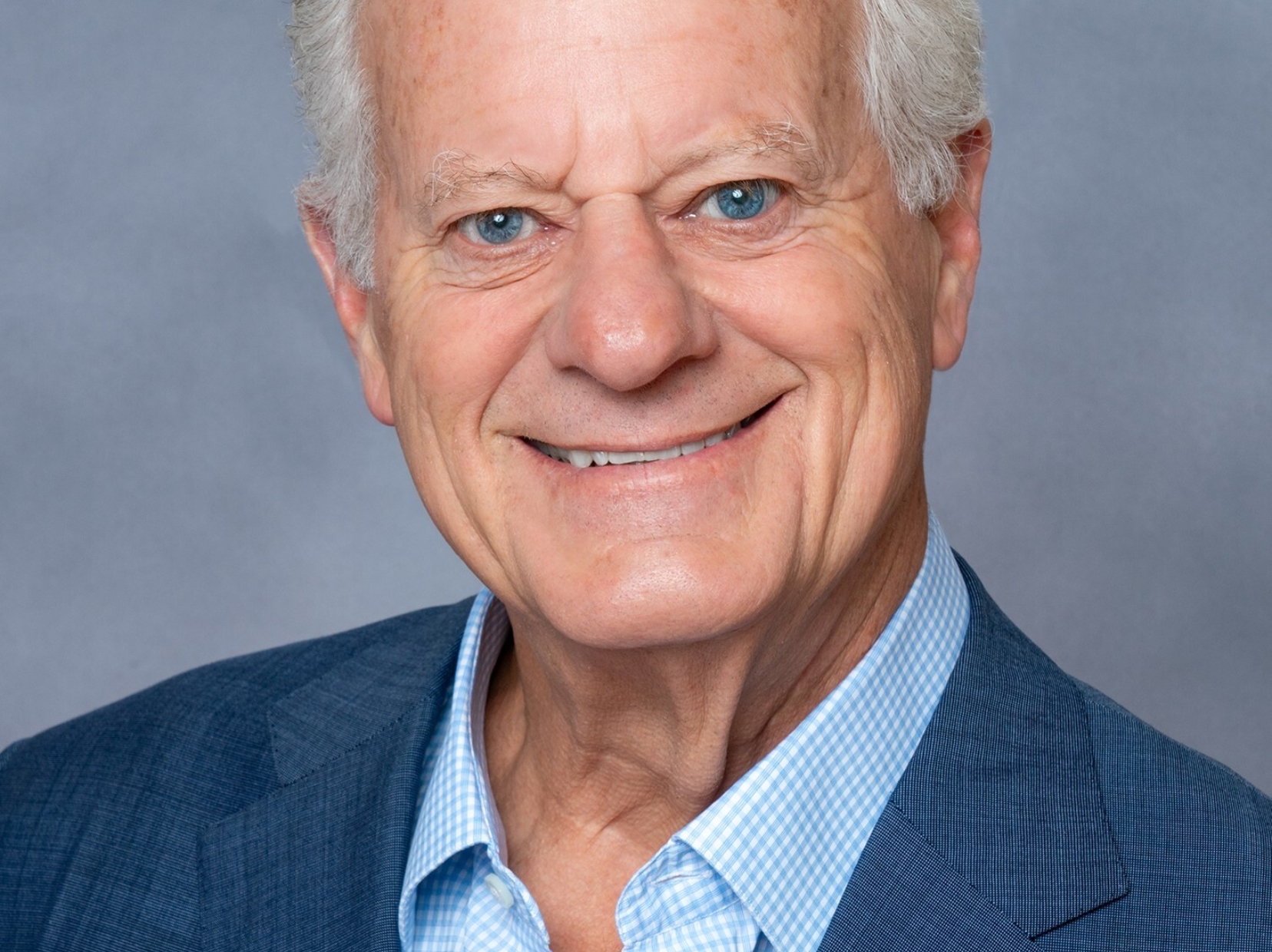 Michael Smith, Founder, Chairman and CEO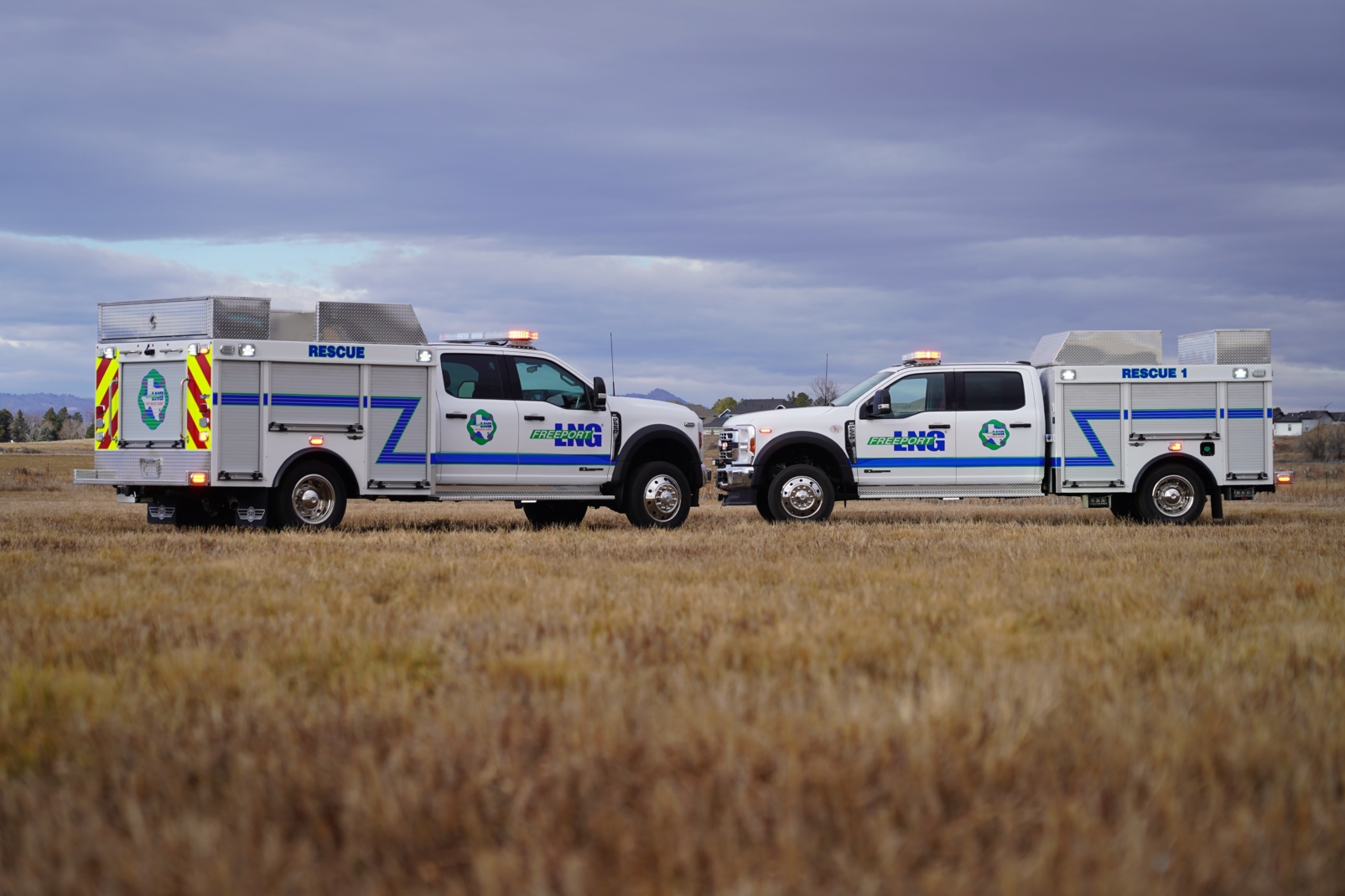
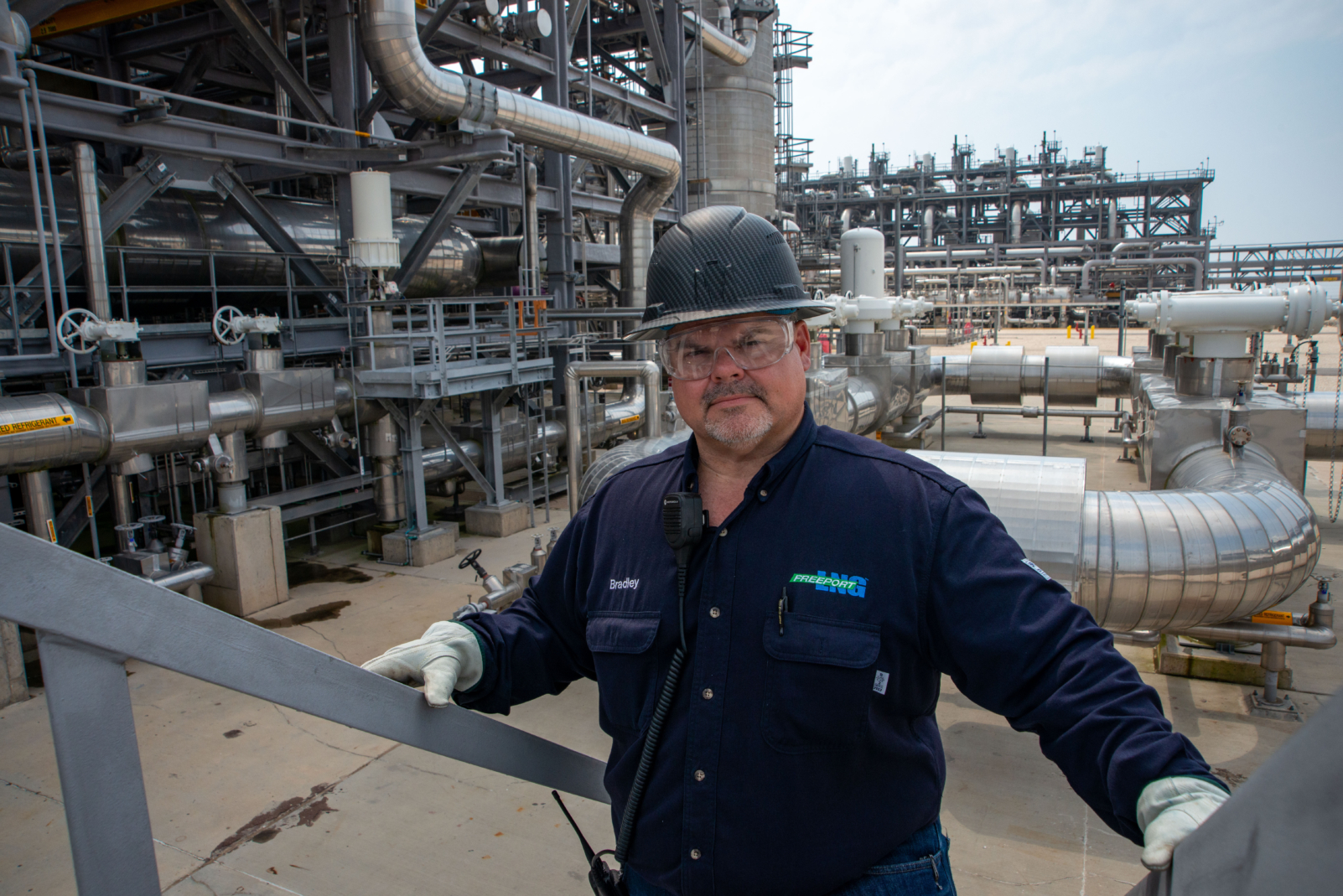
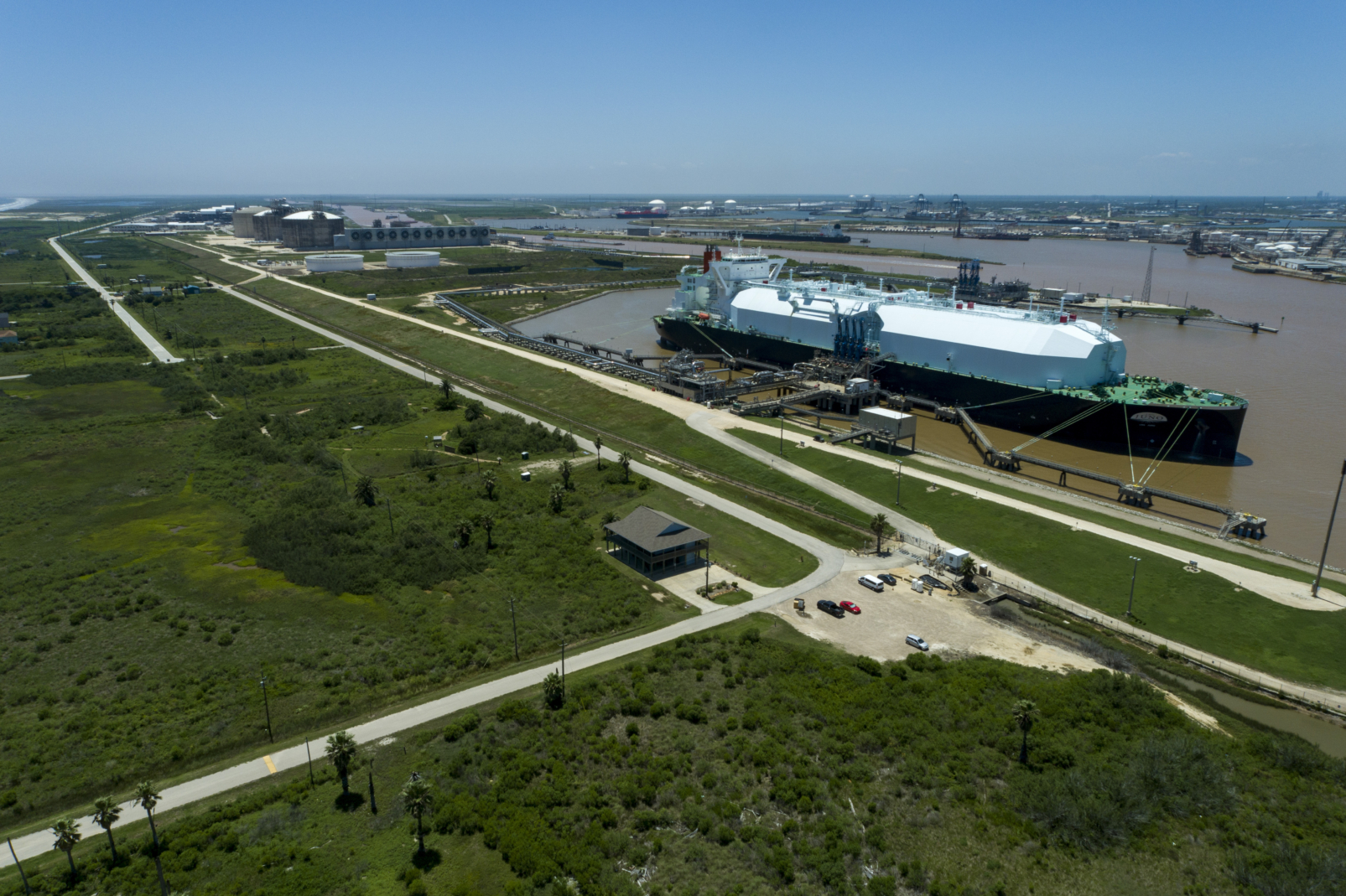
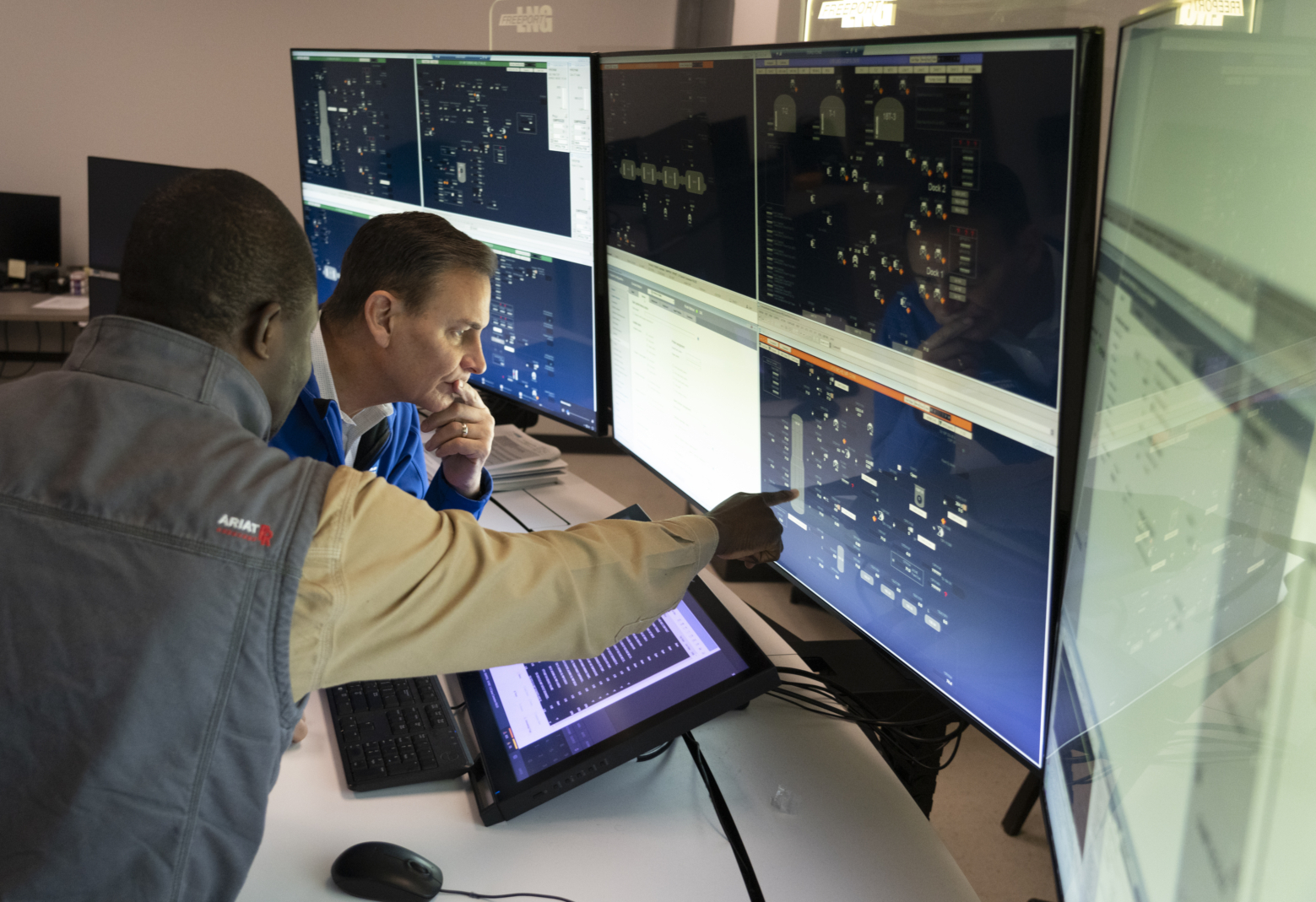
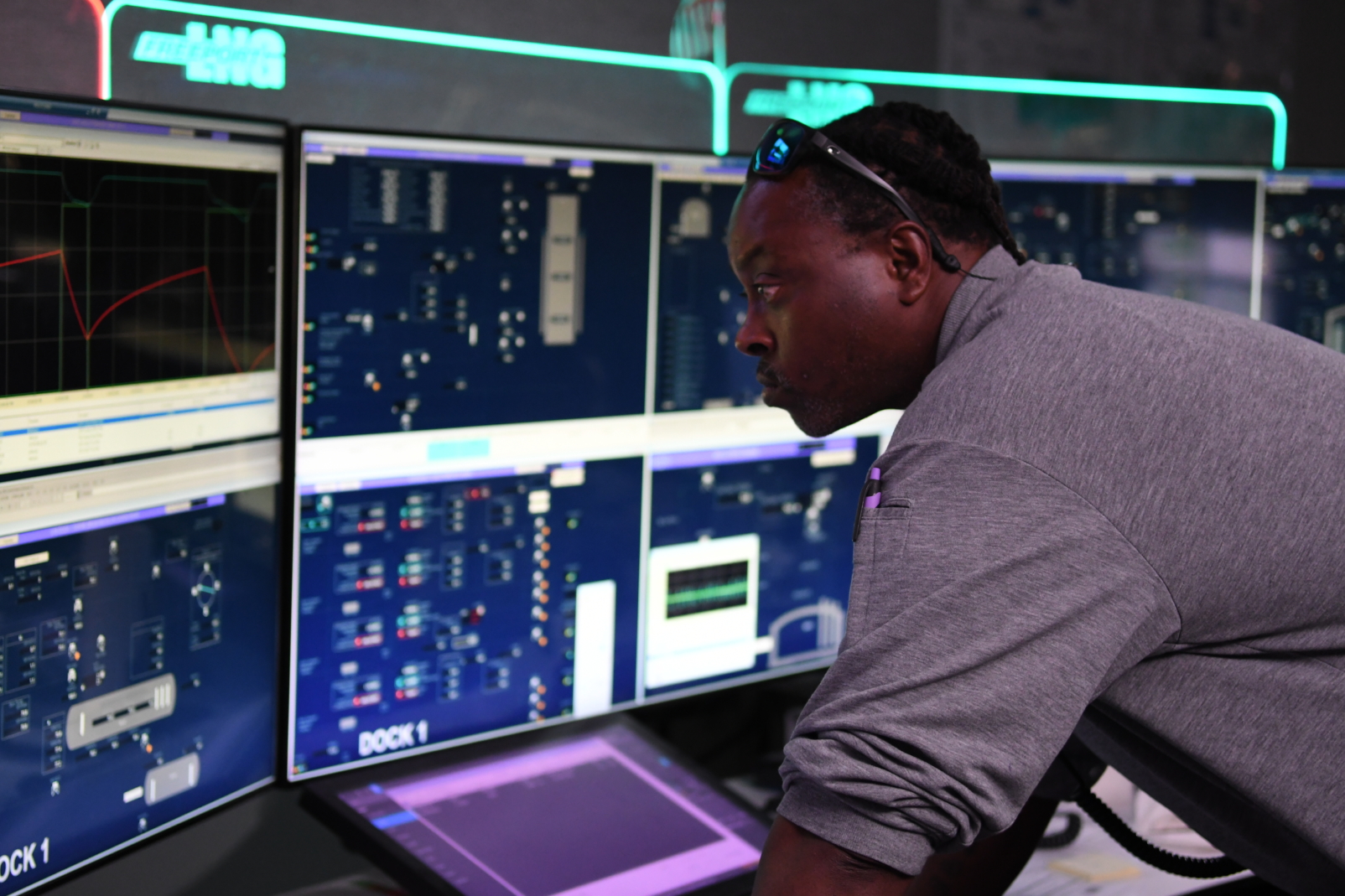
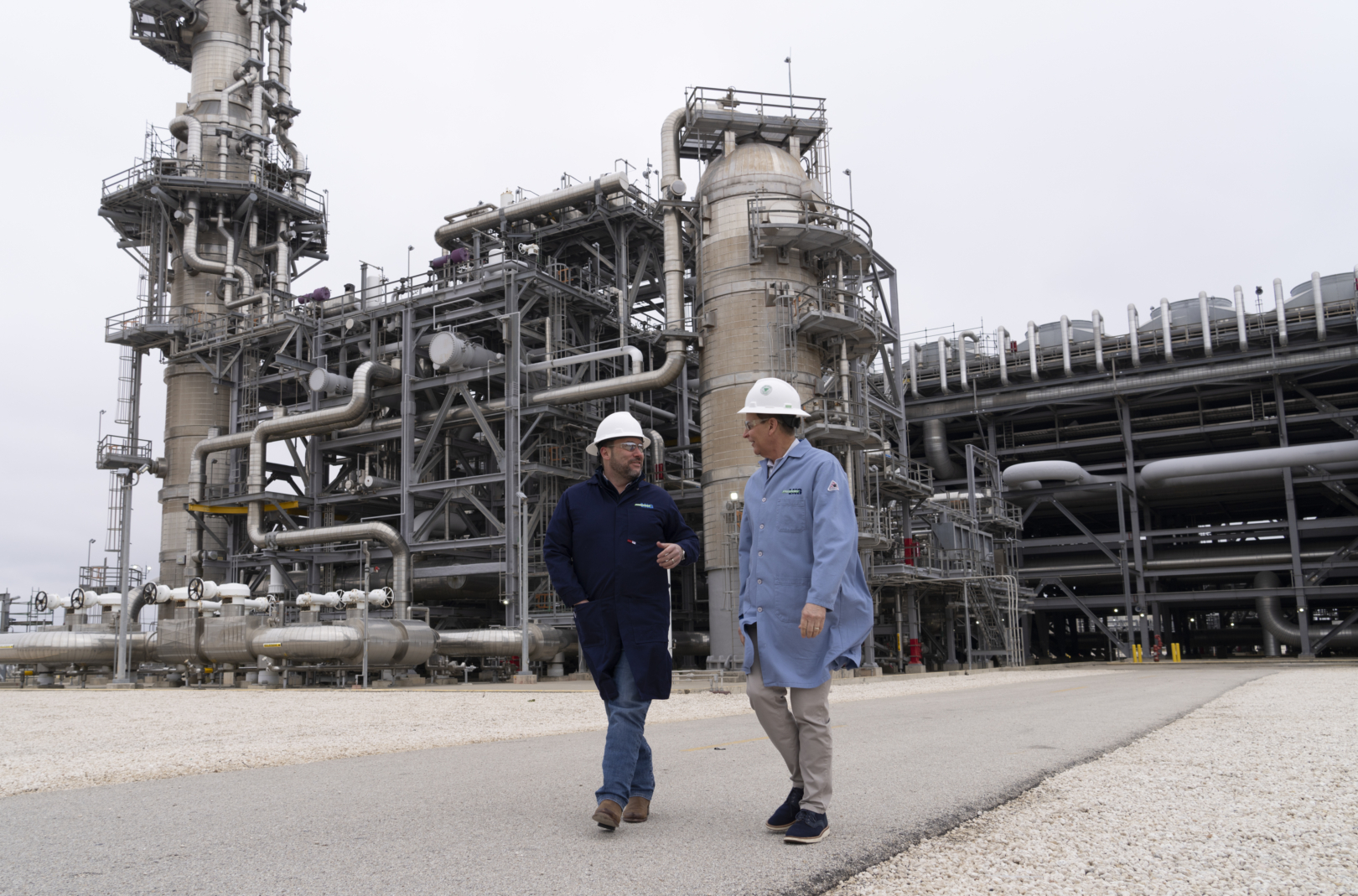
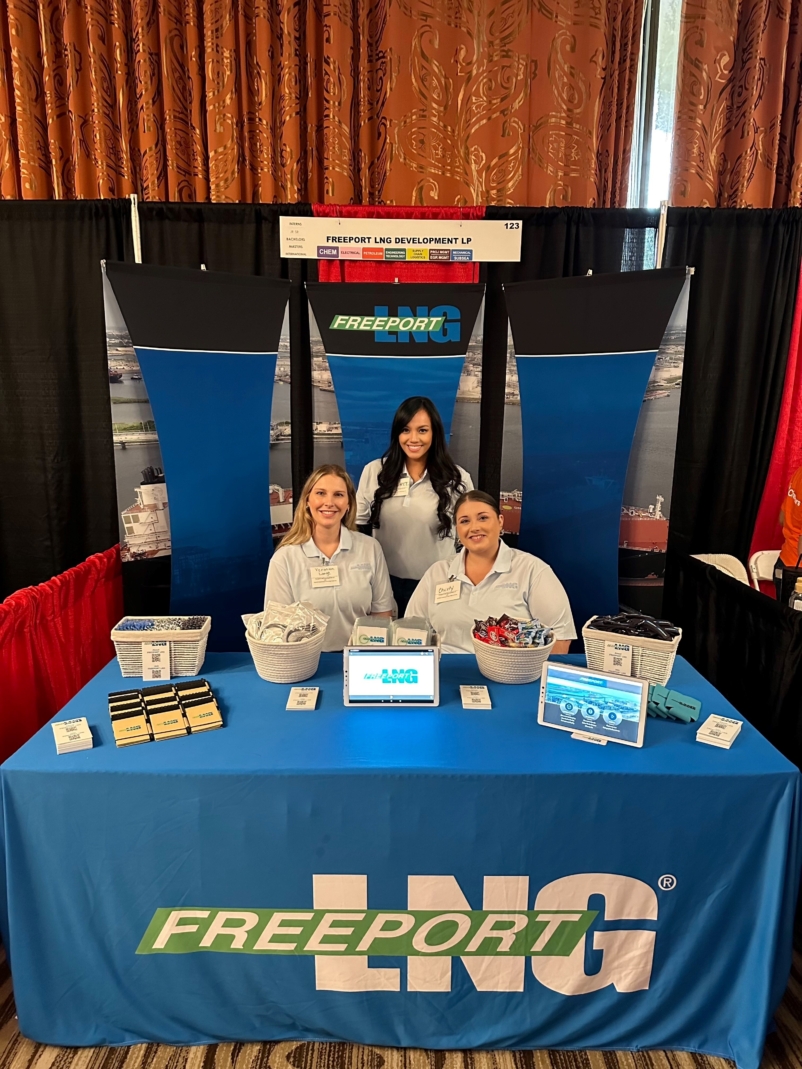
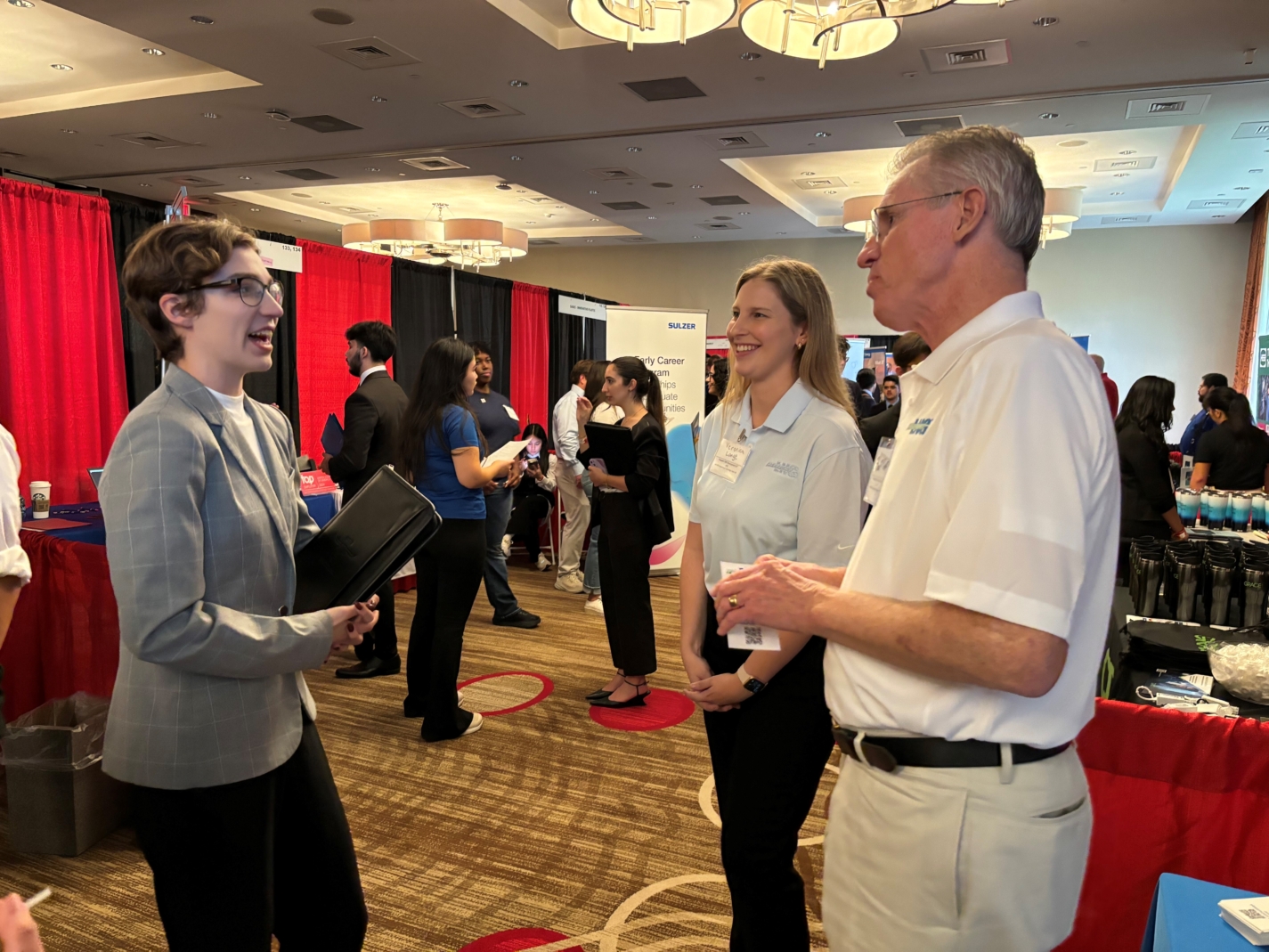
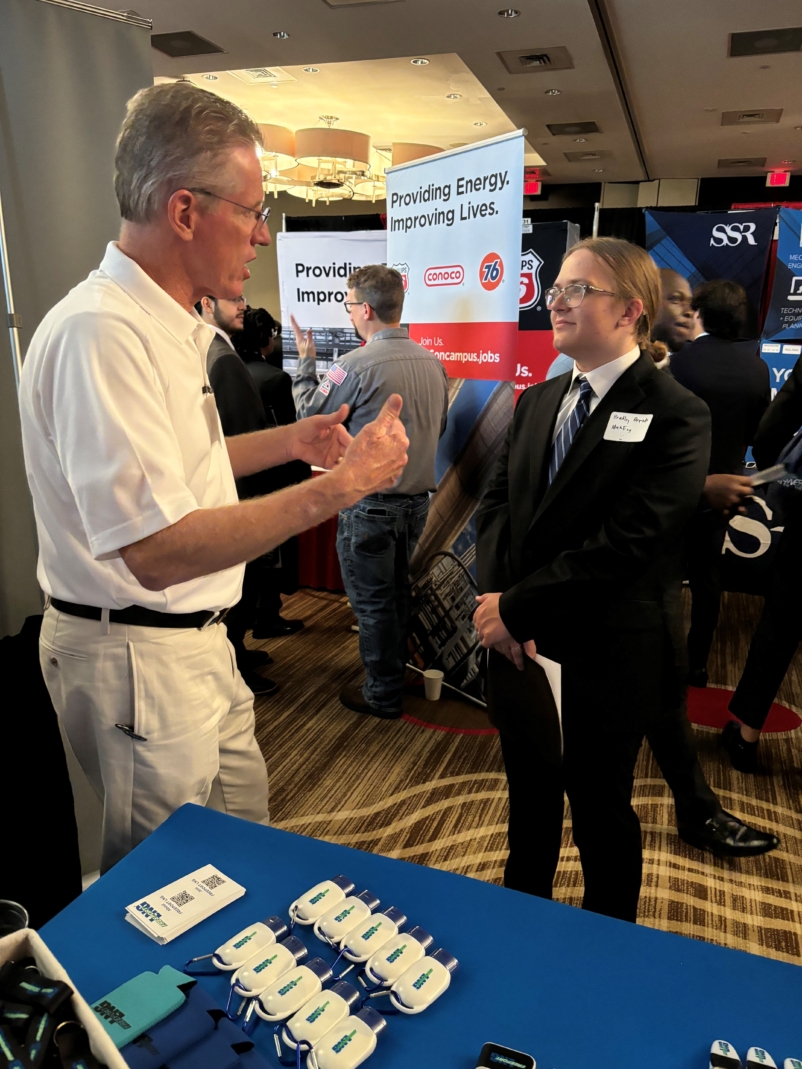
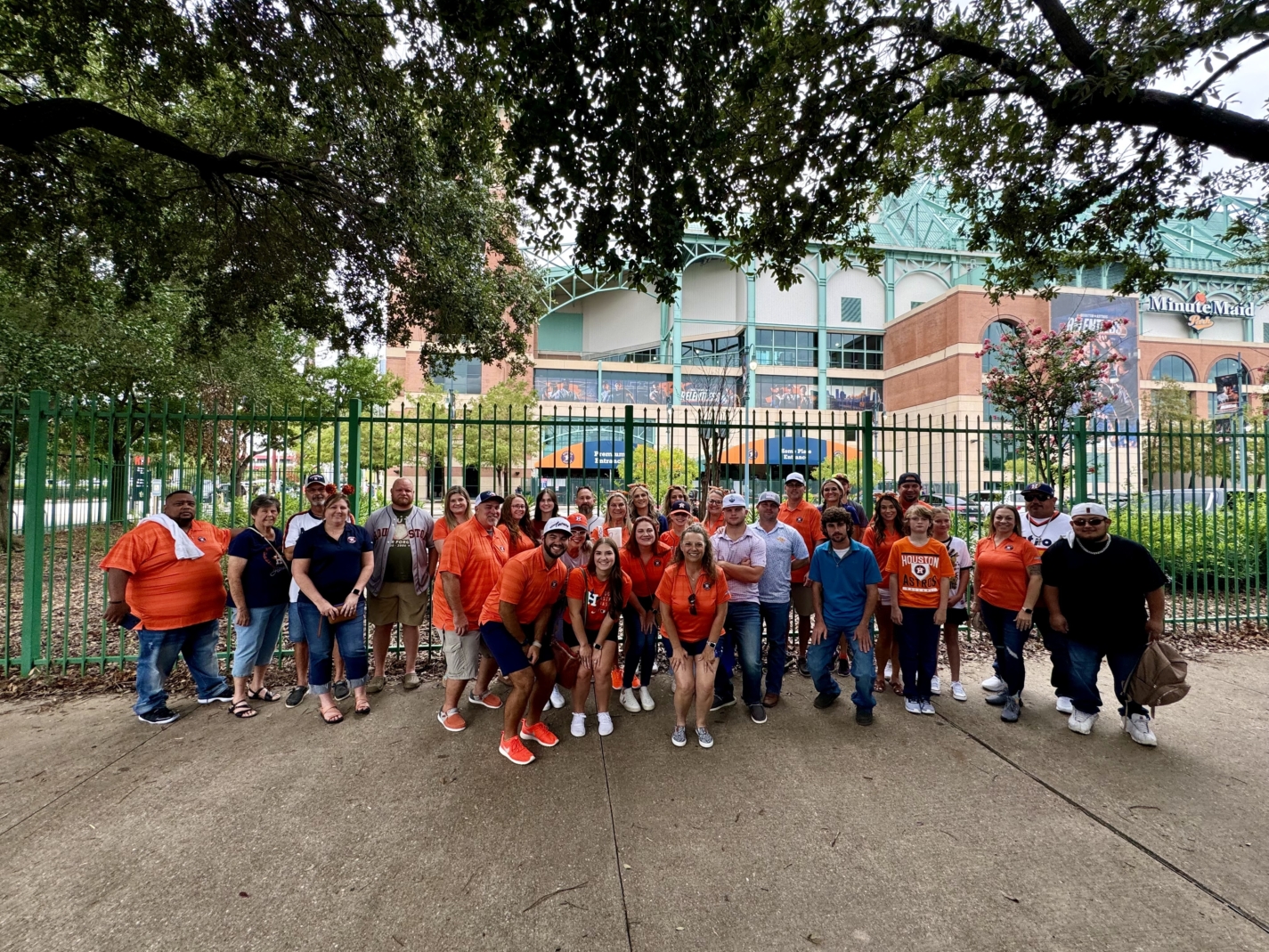
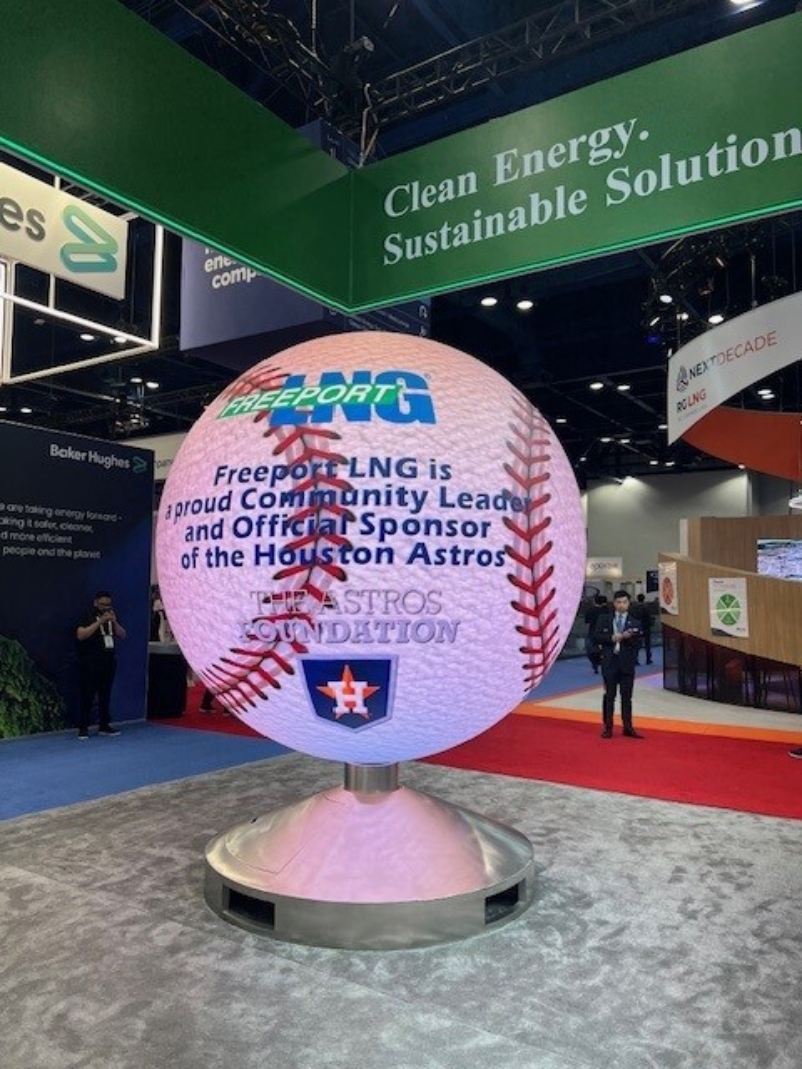
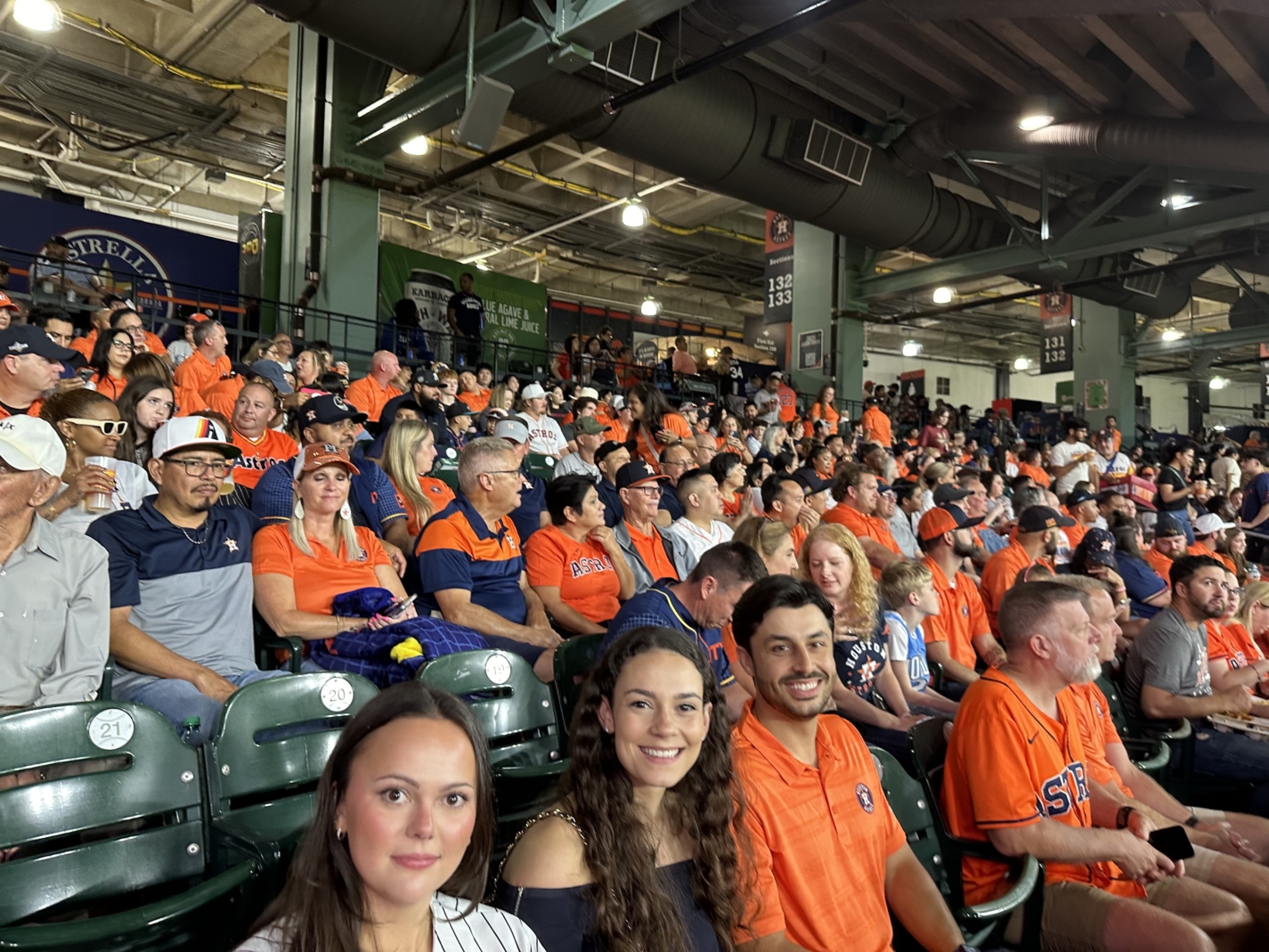
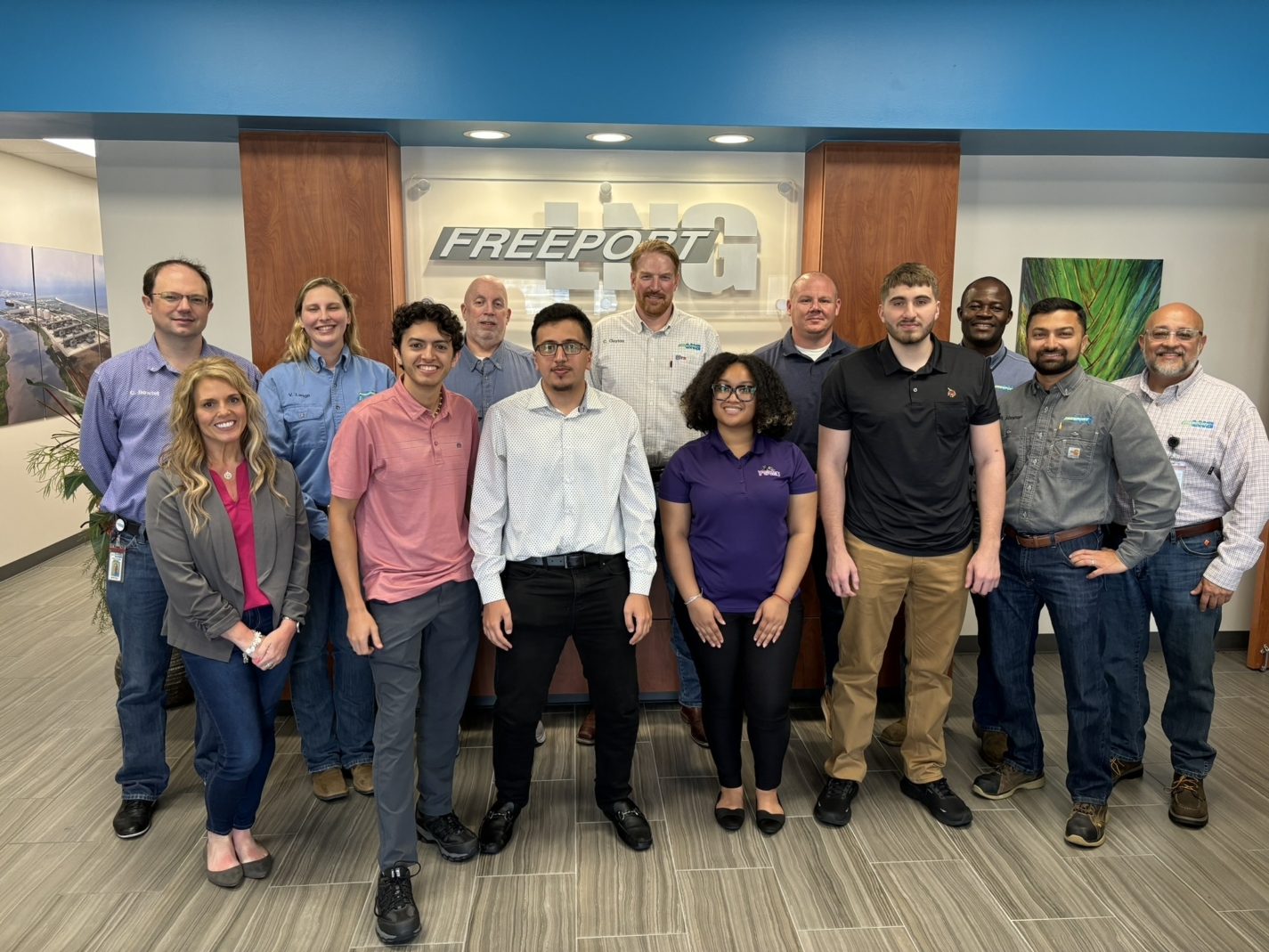

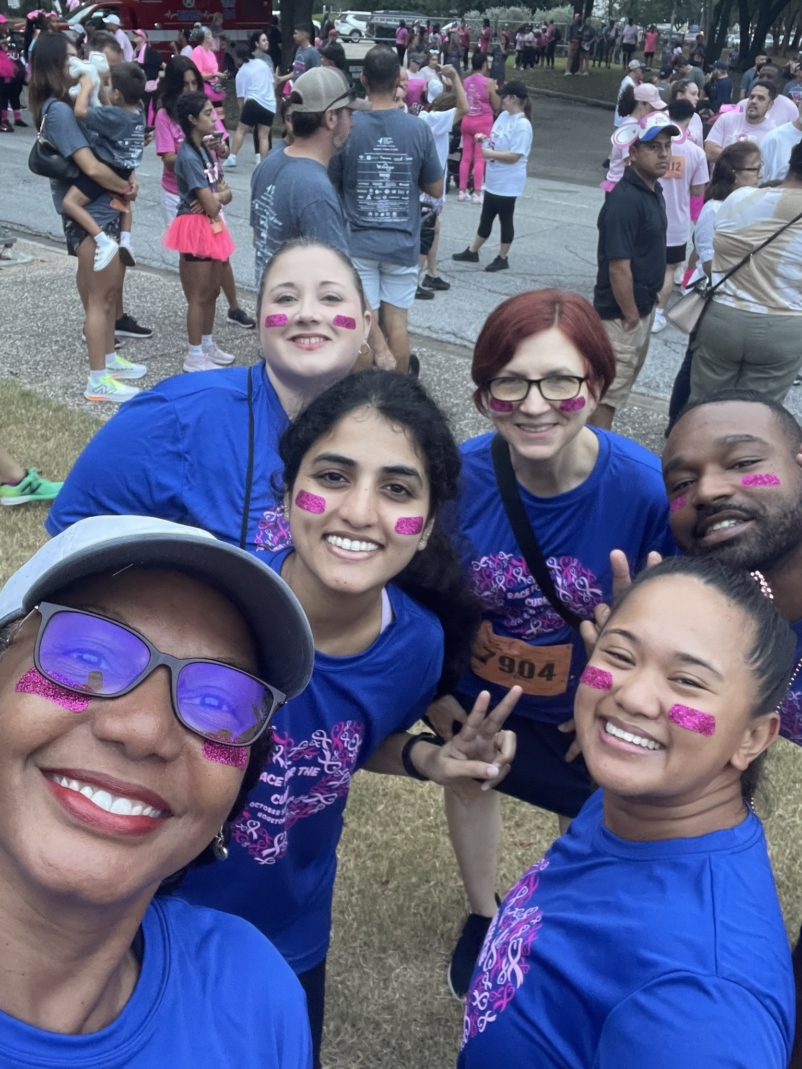
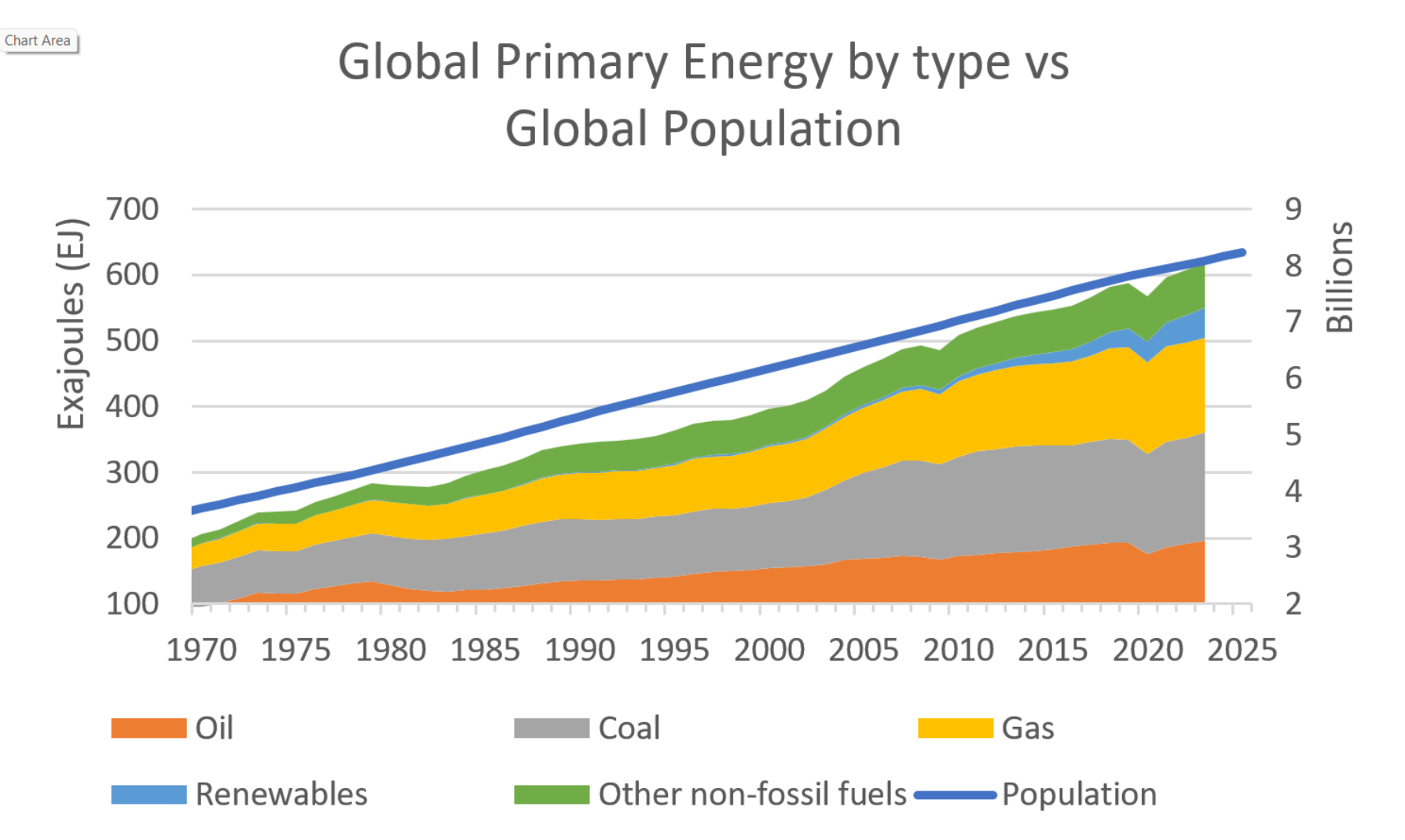
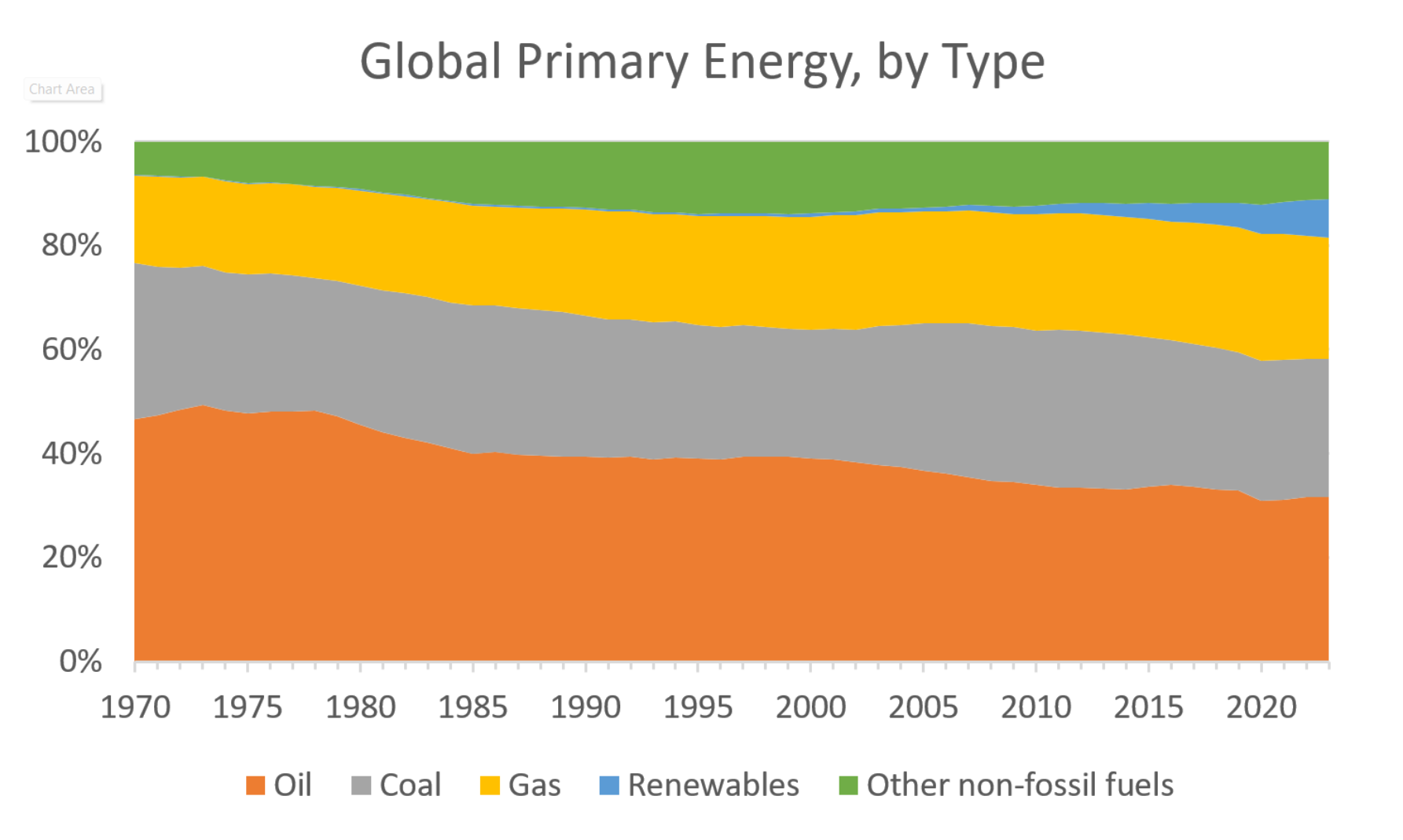
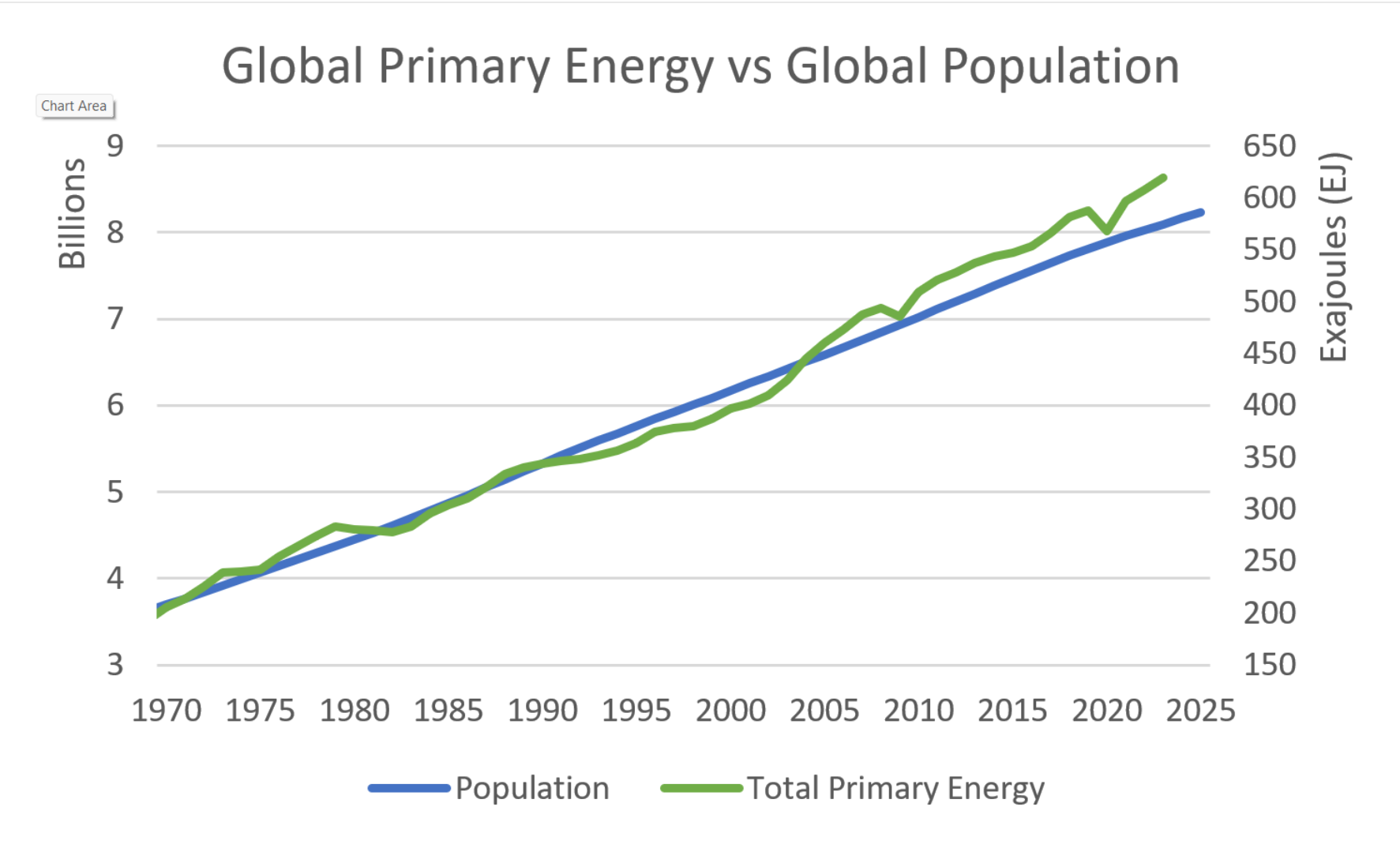
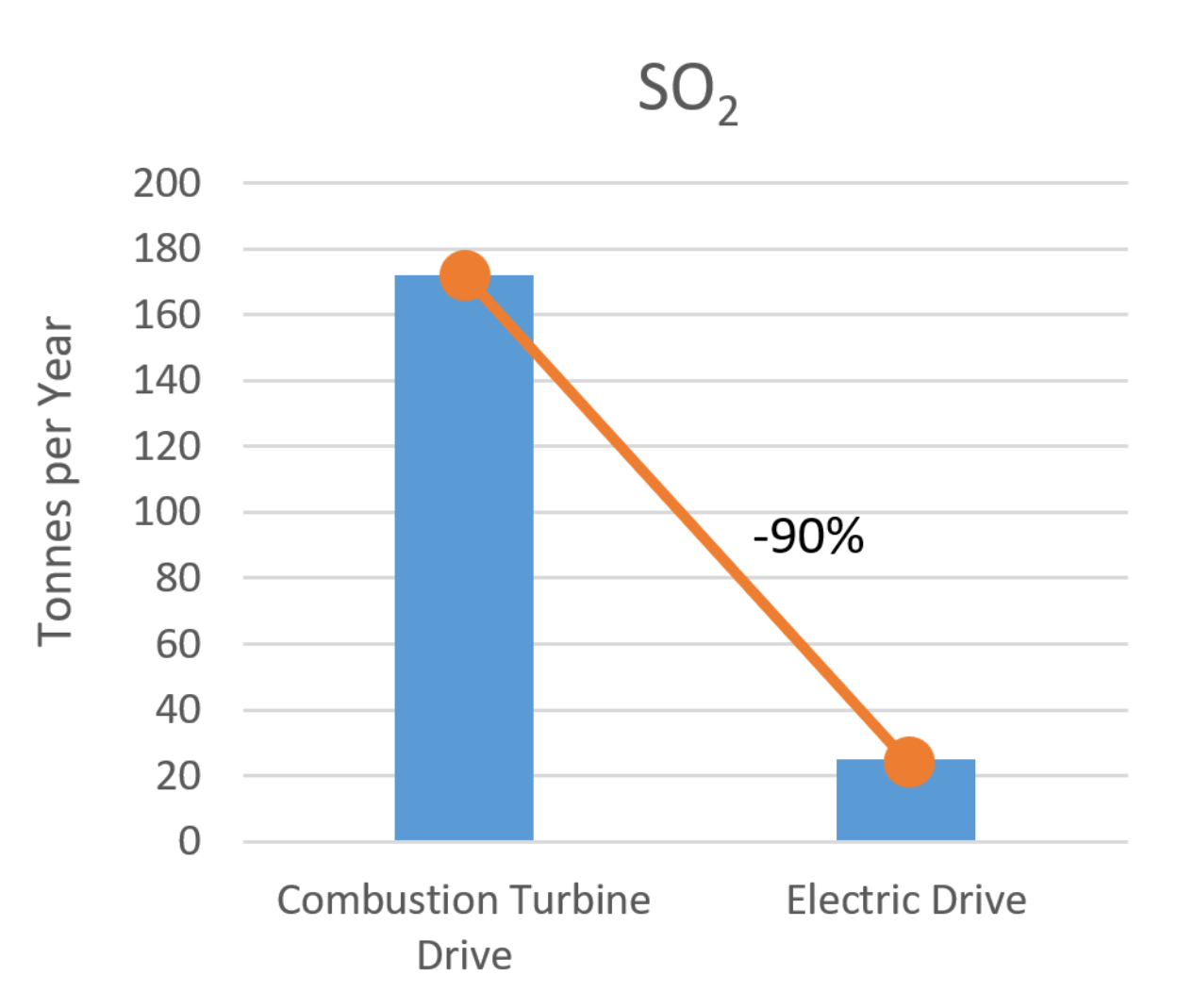
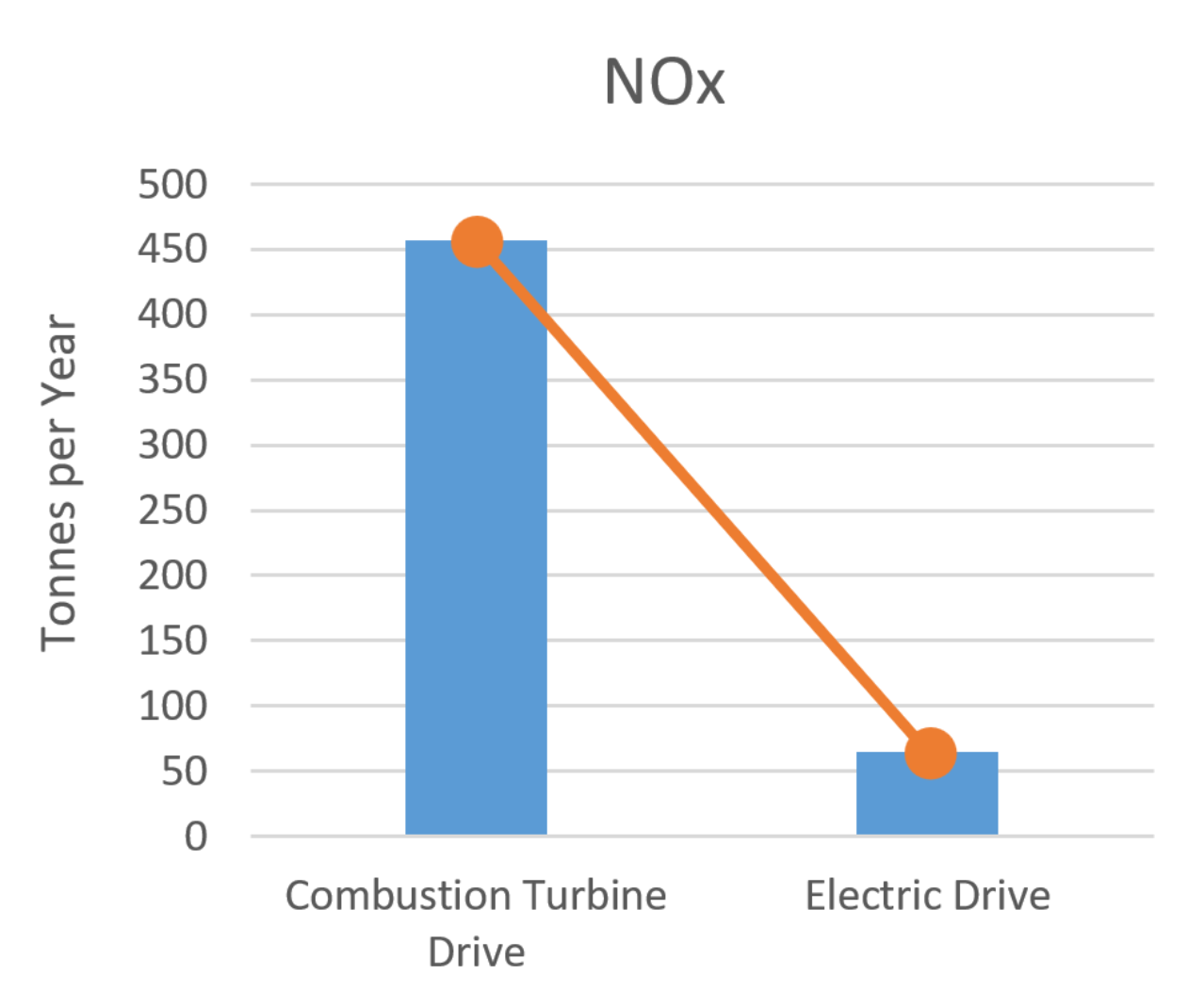
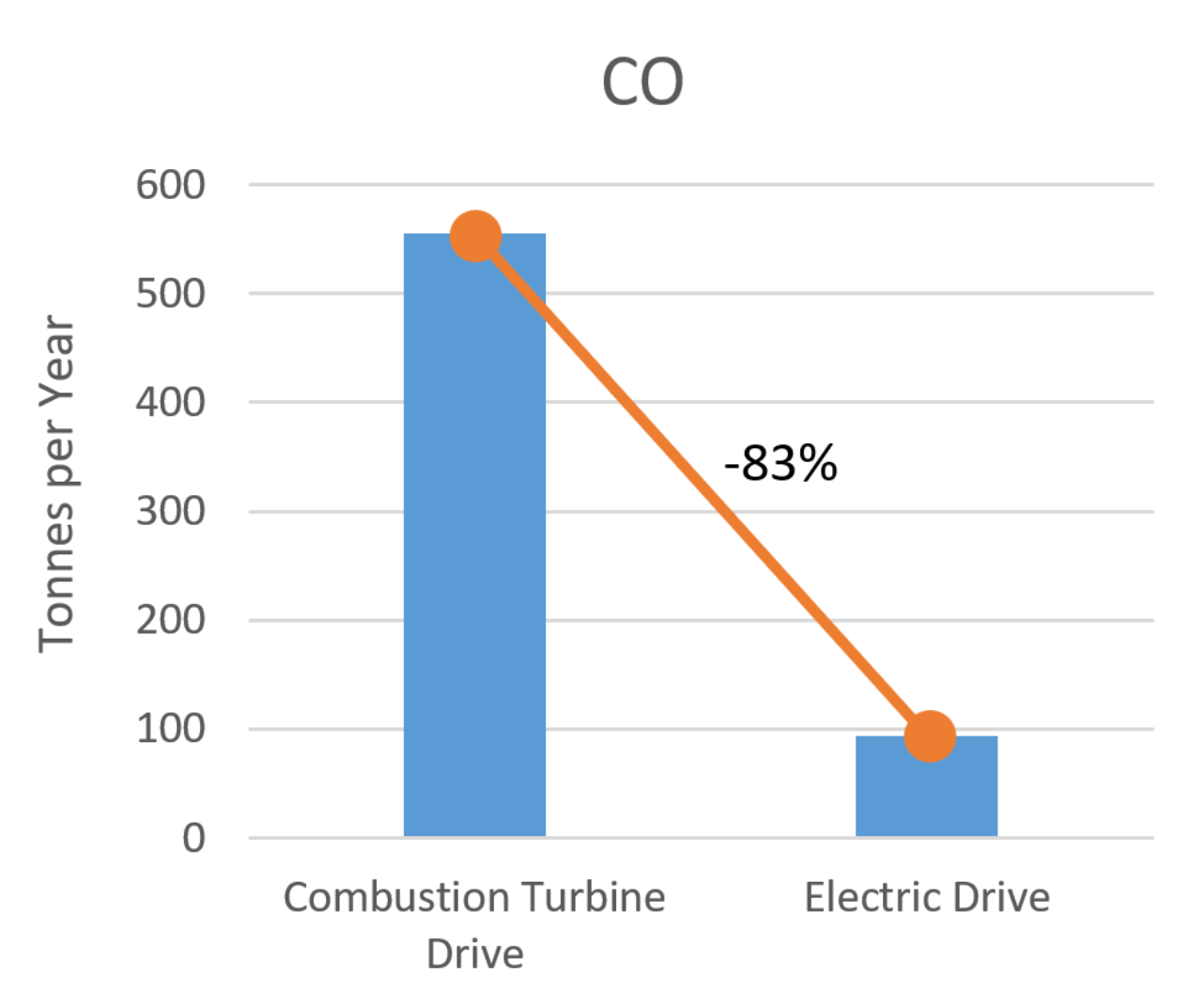

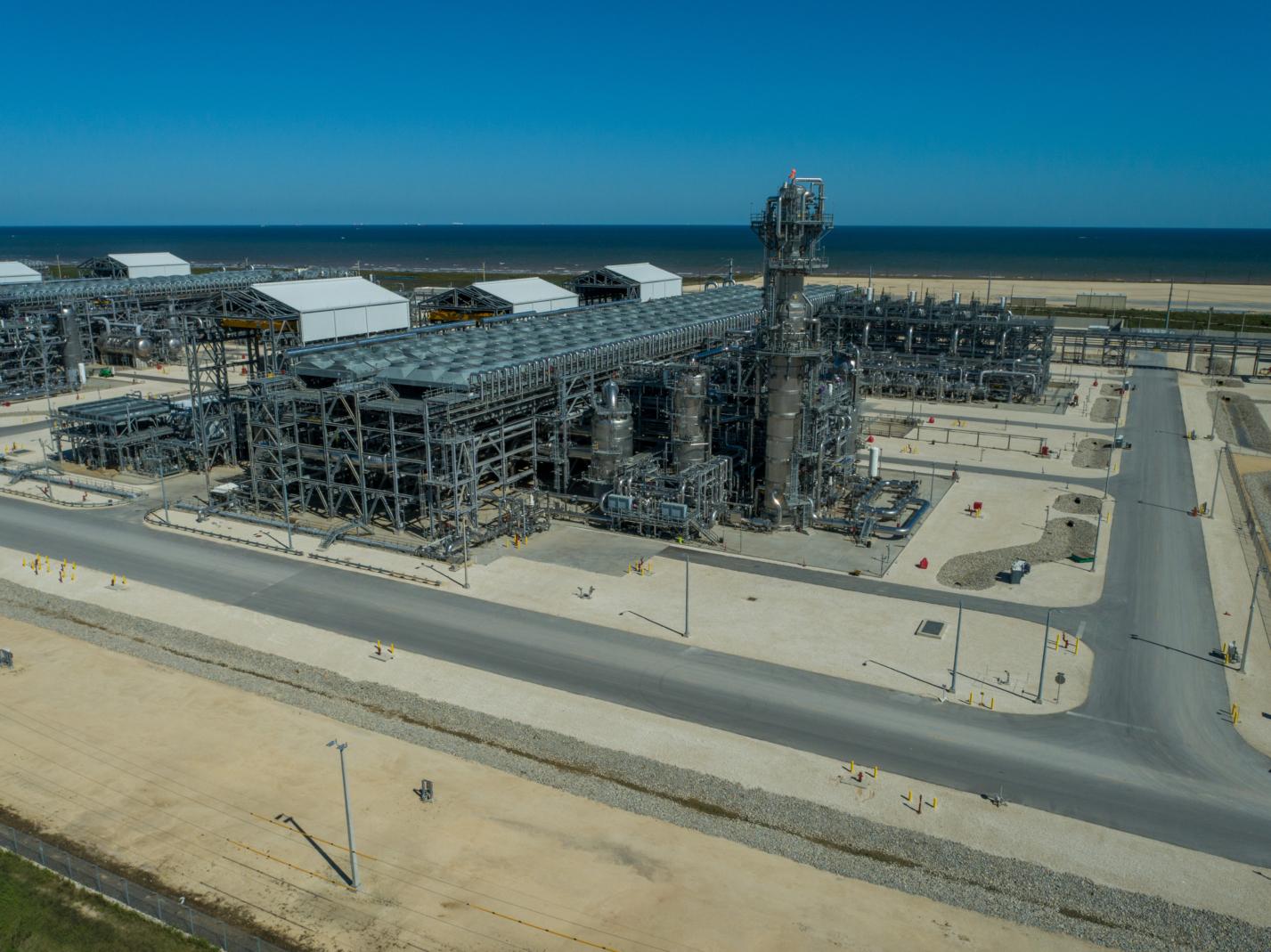
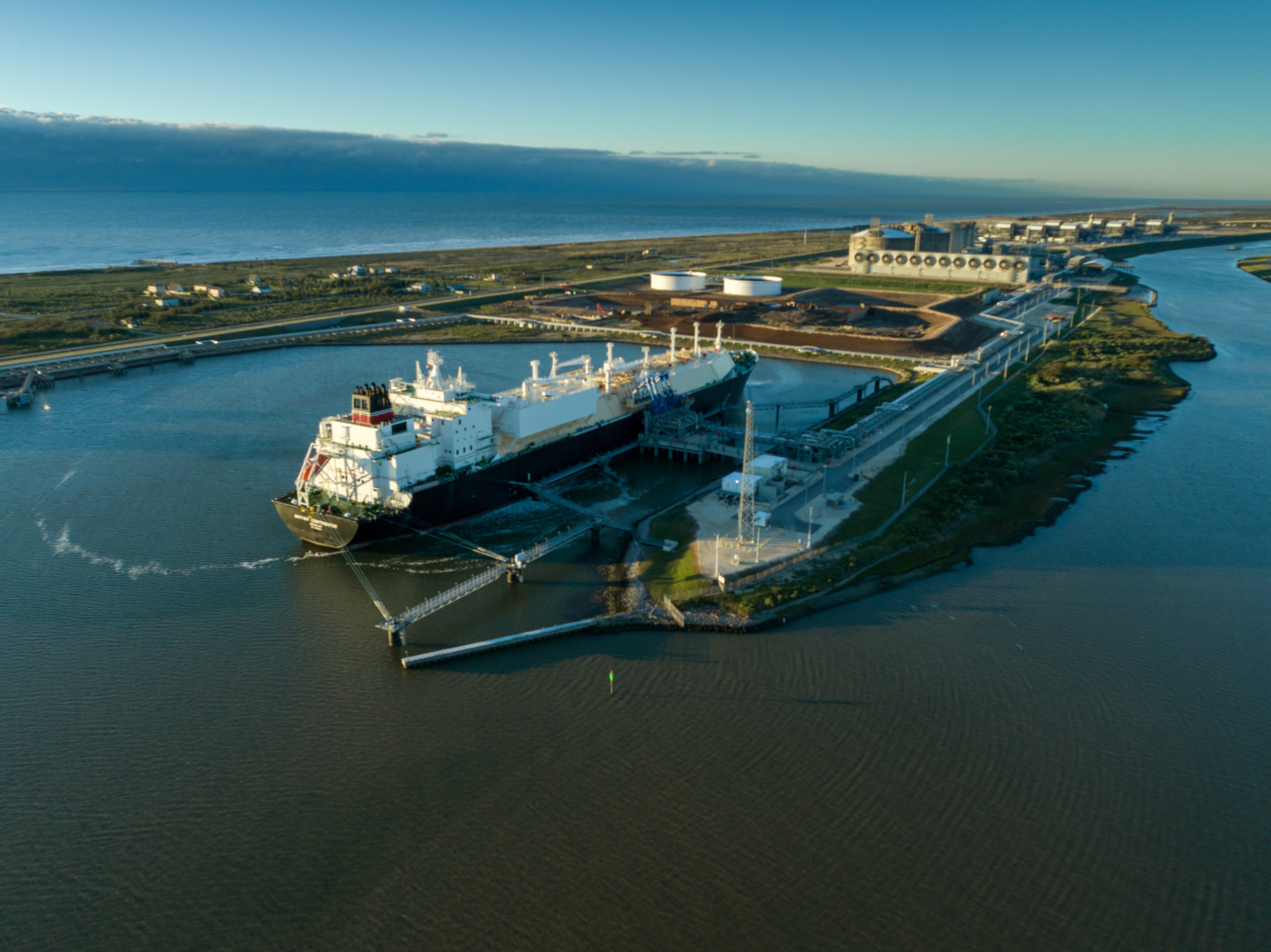
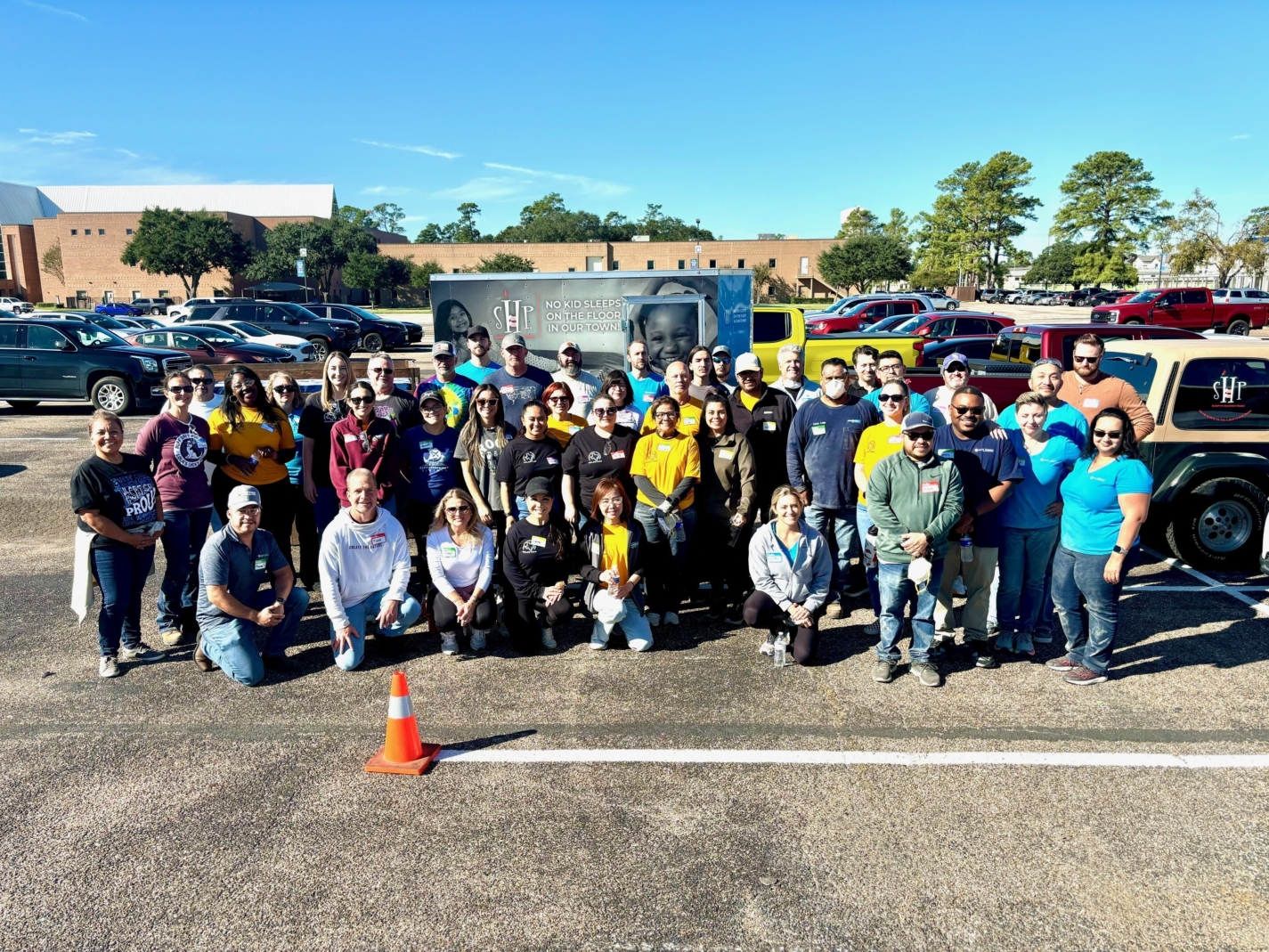
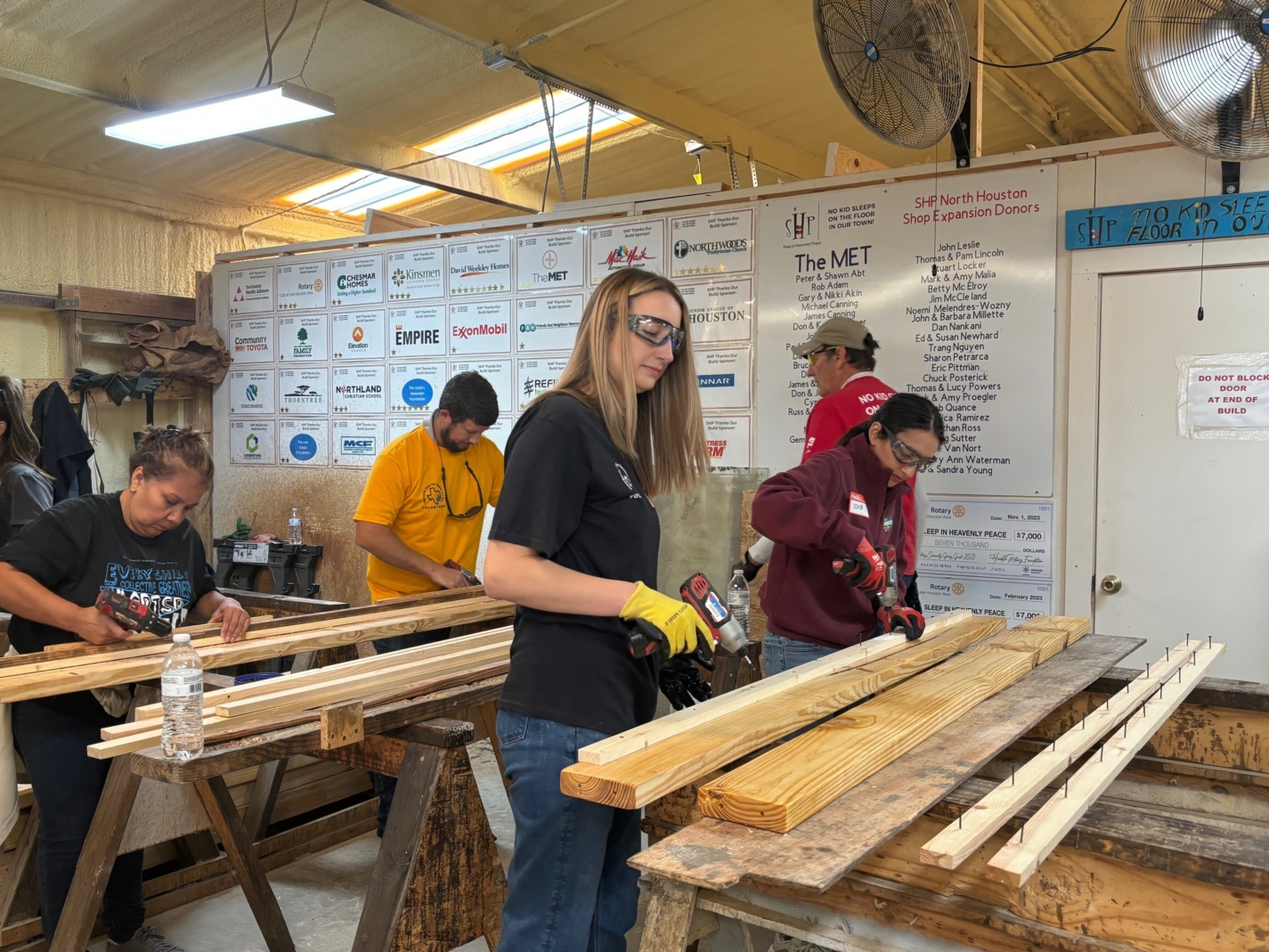

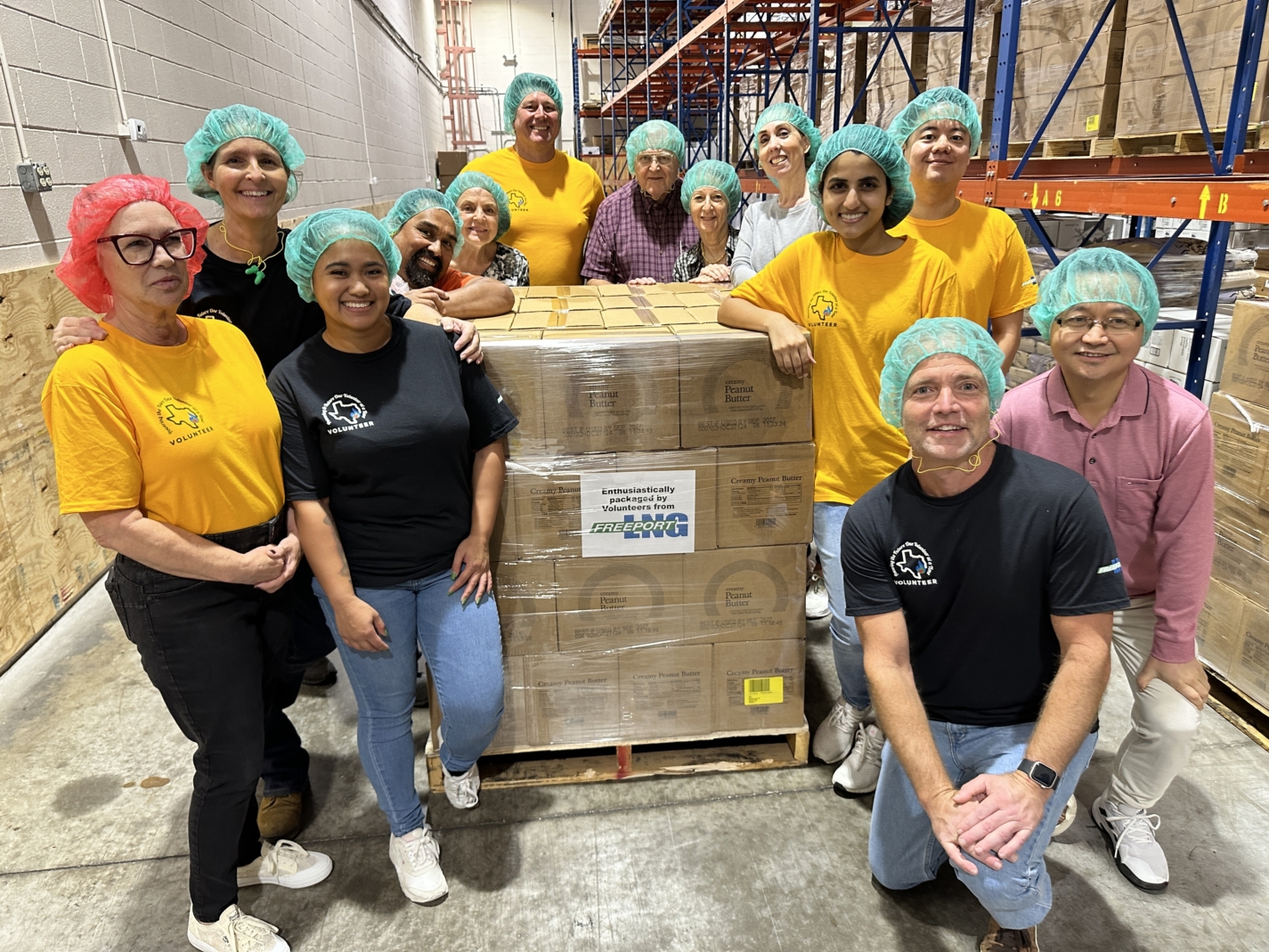




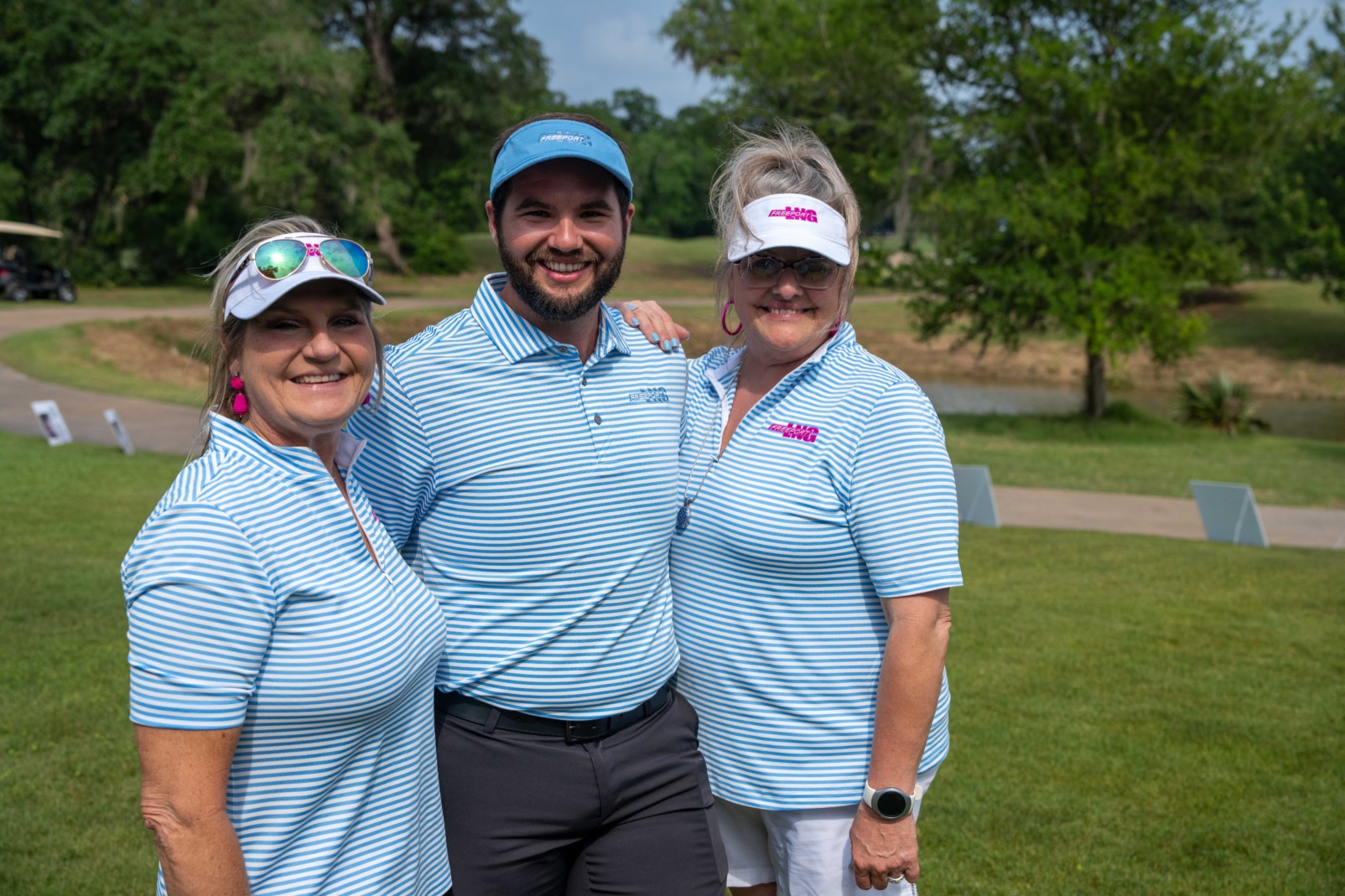
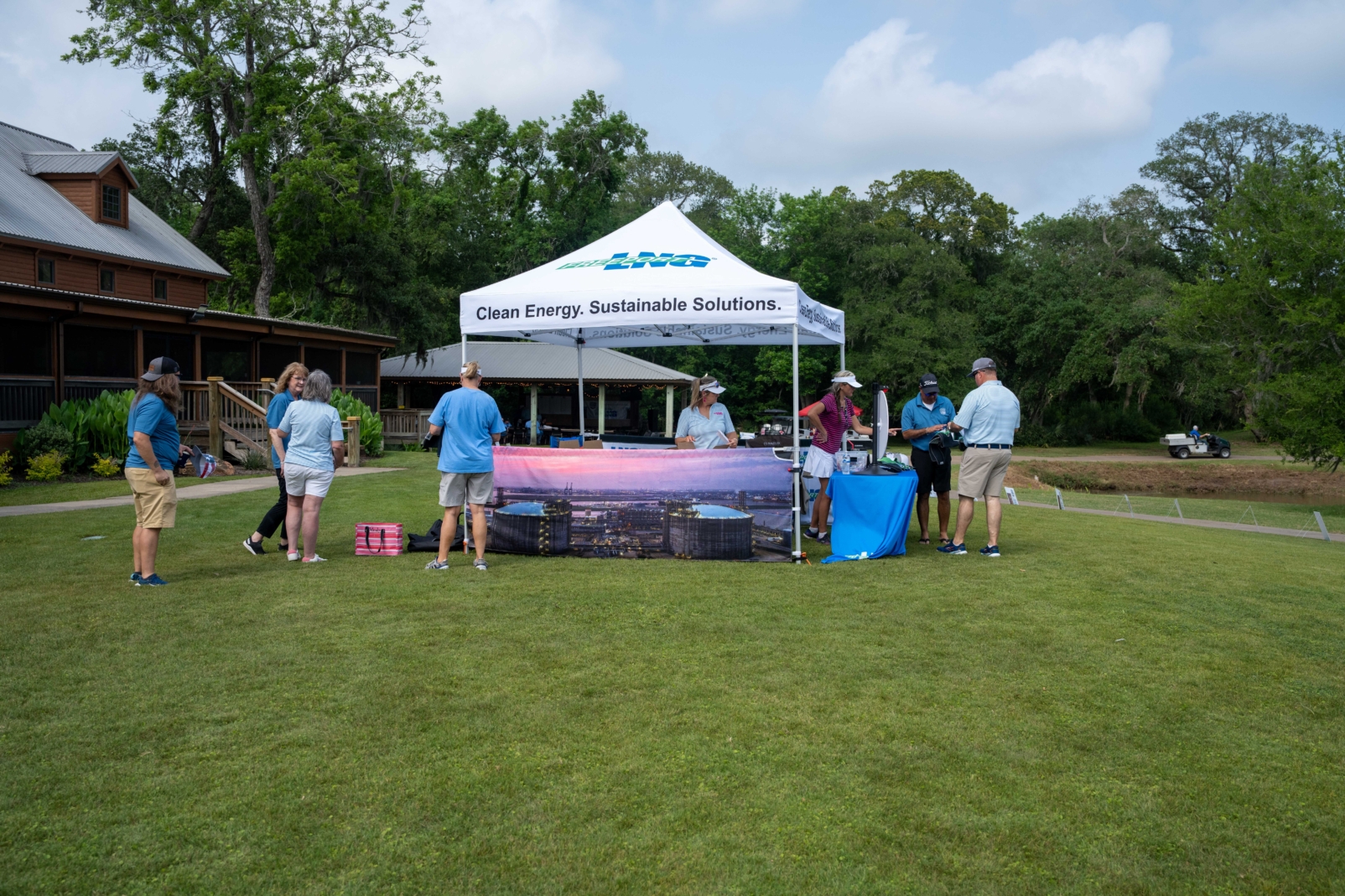

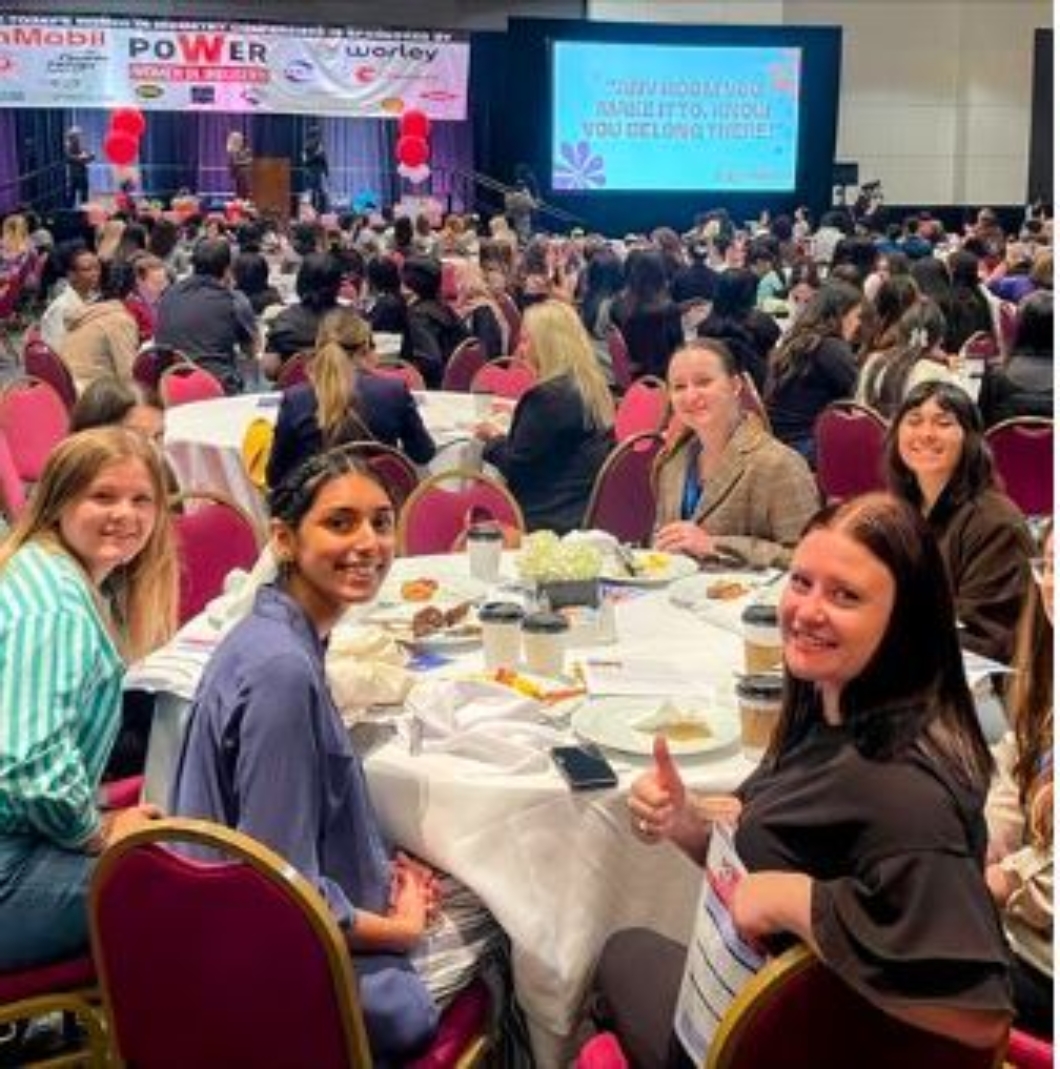
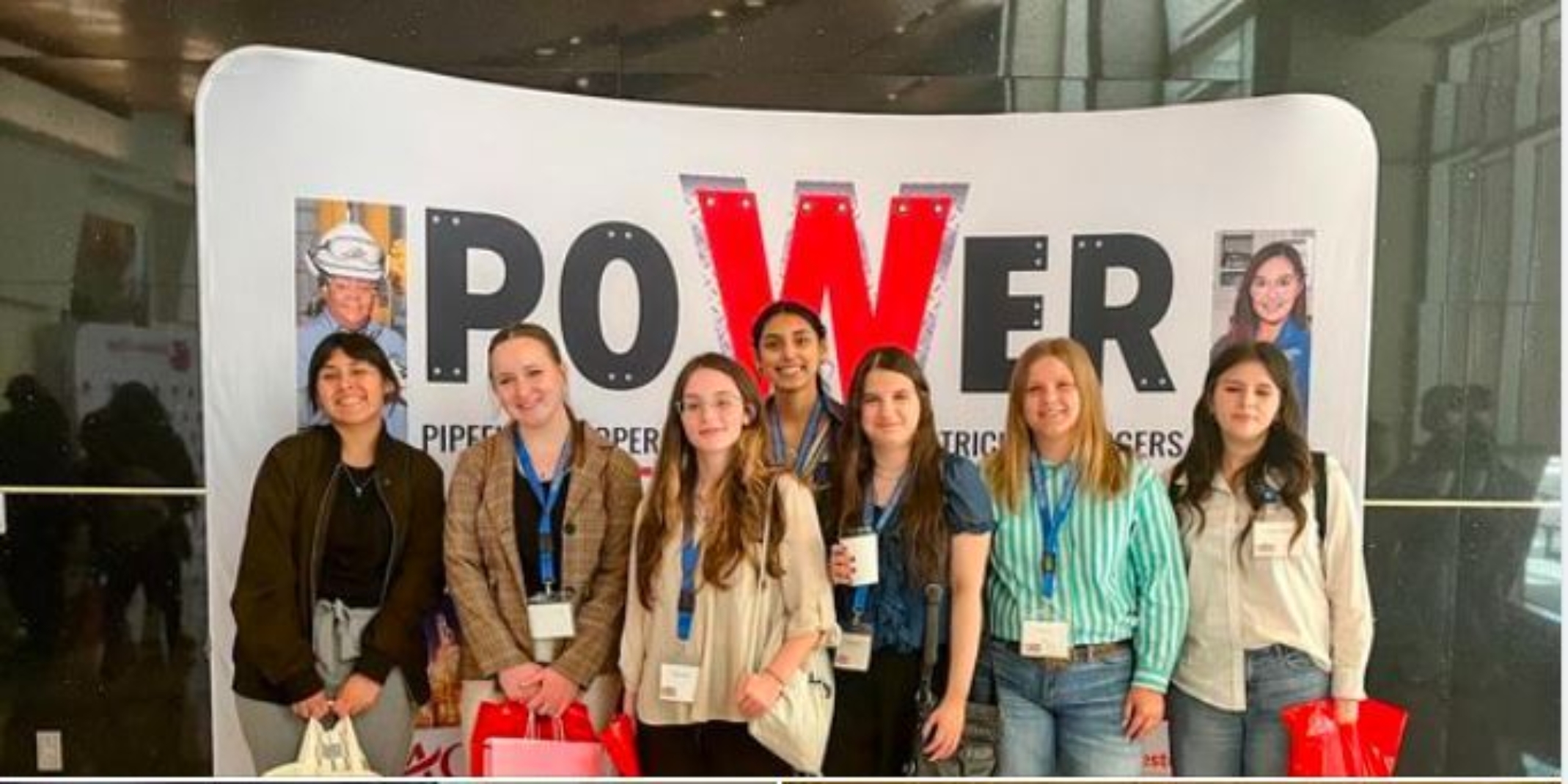
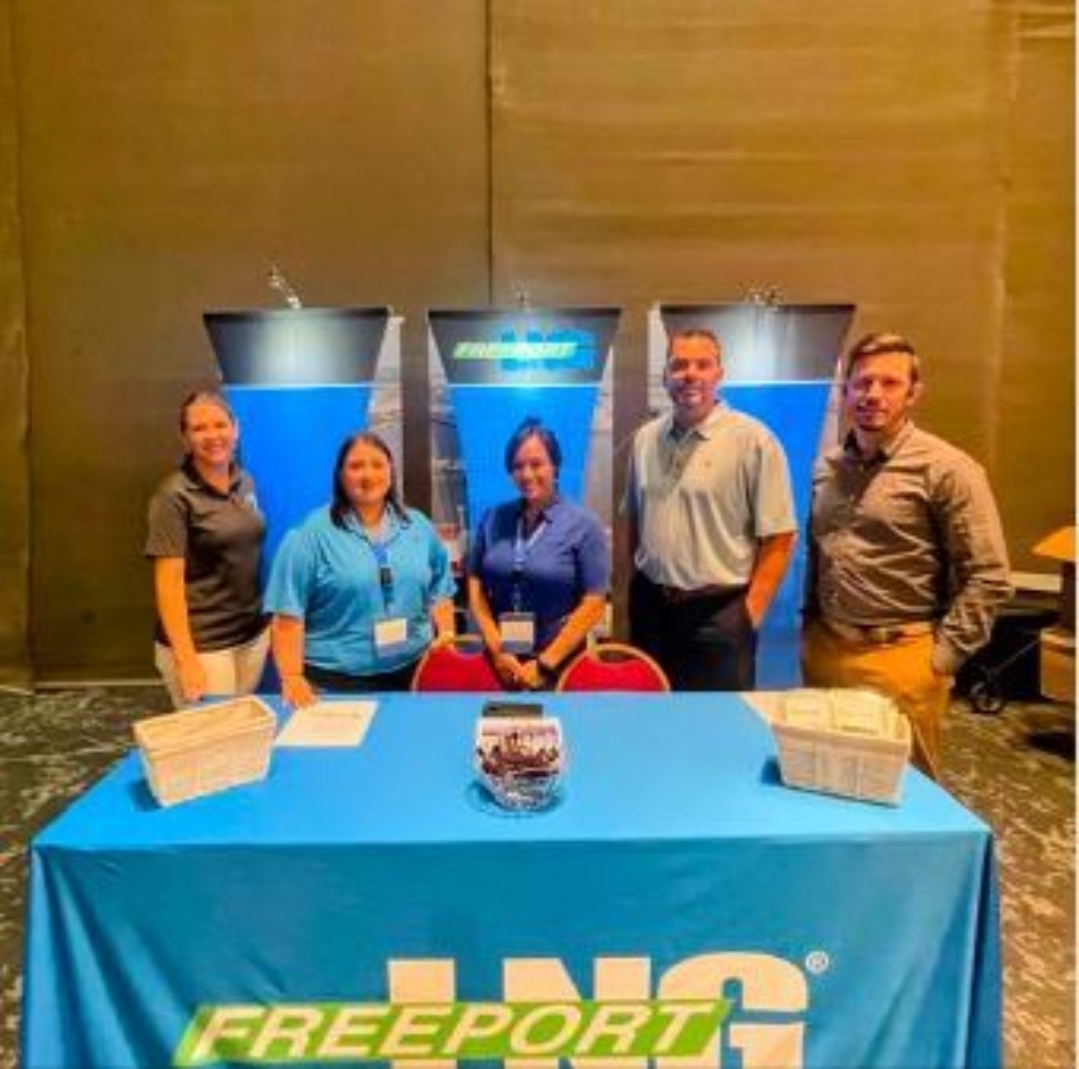
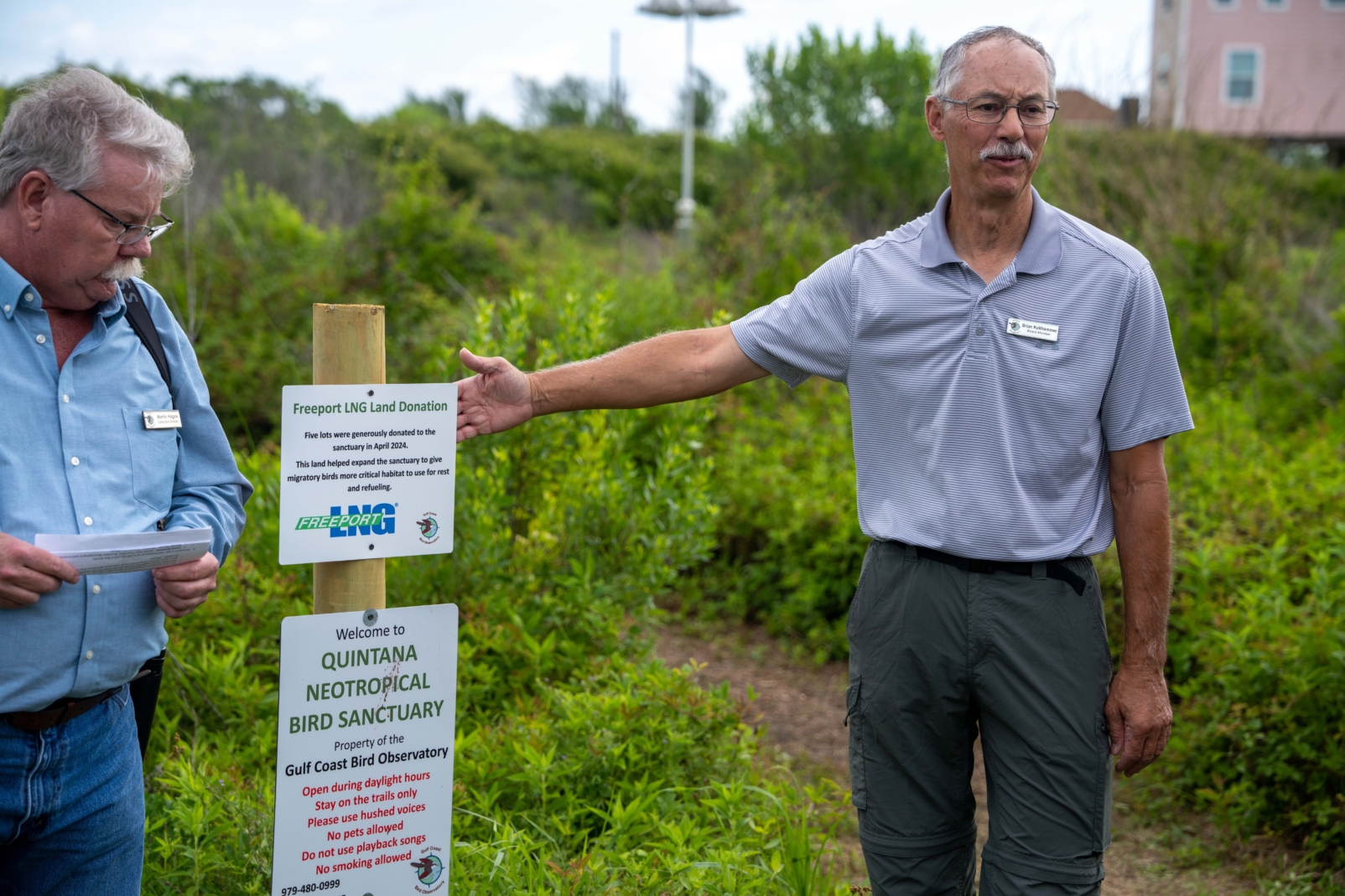
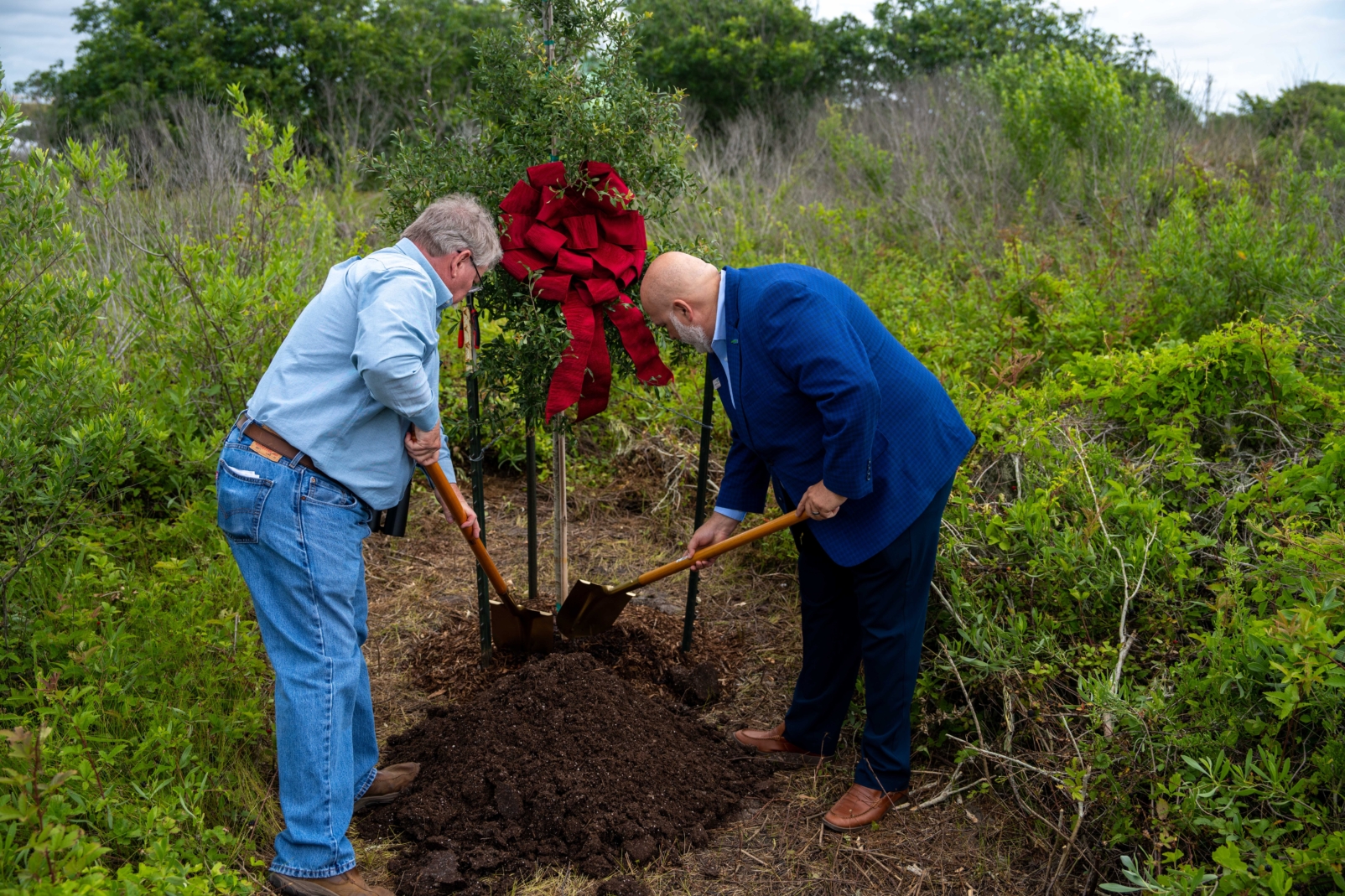
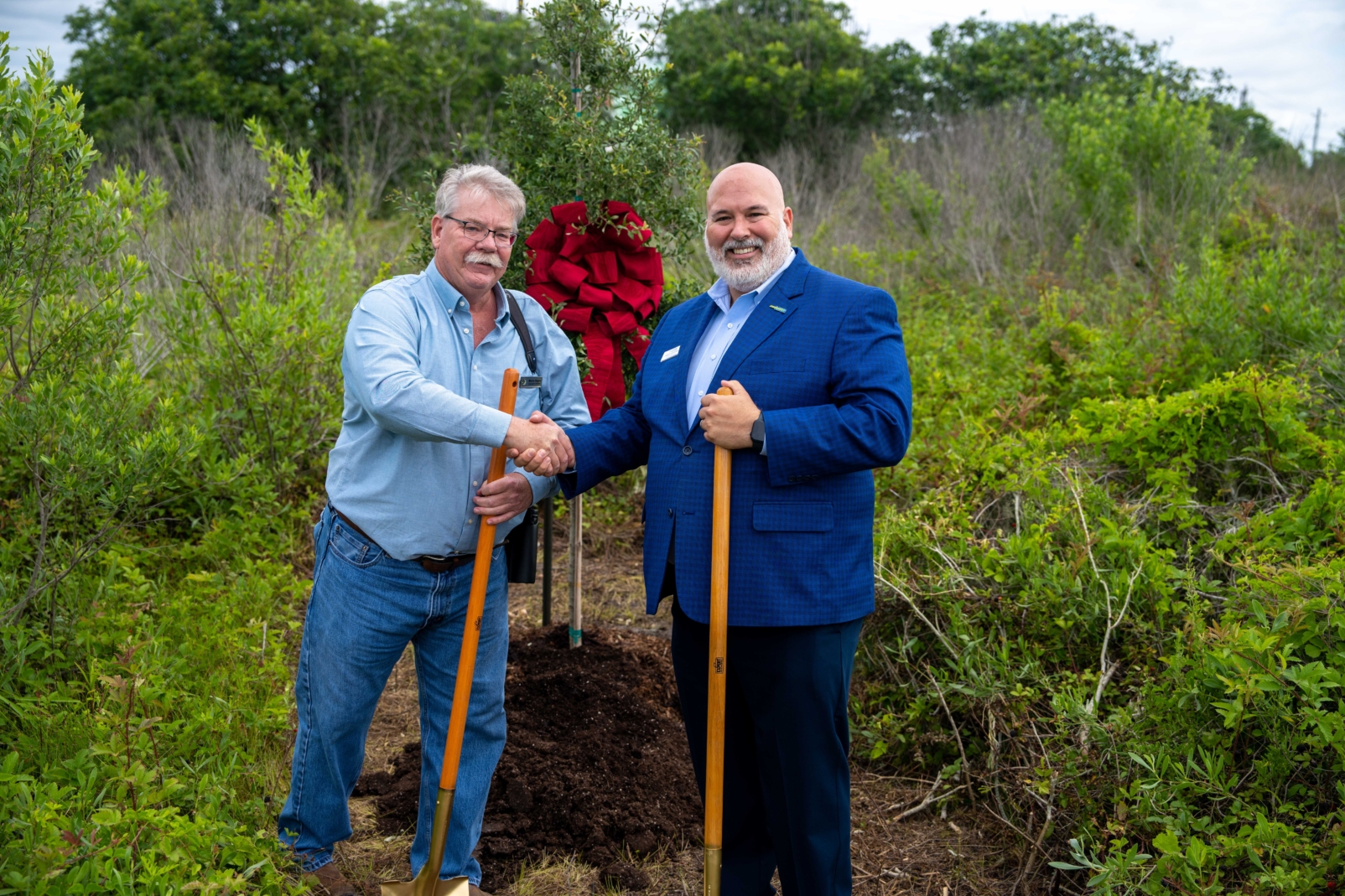
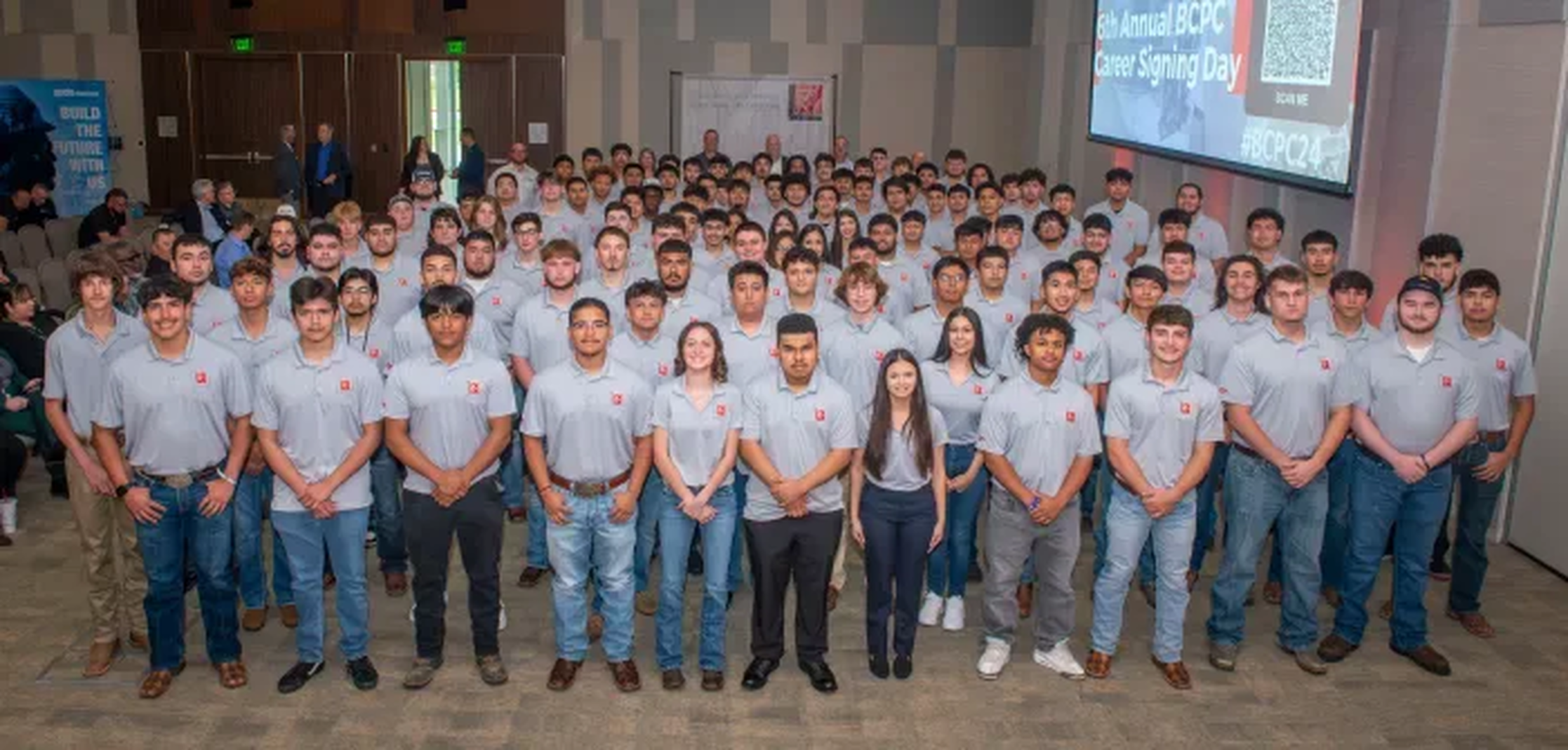
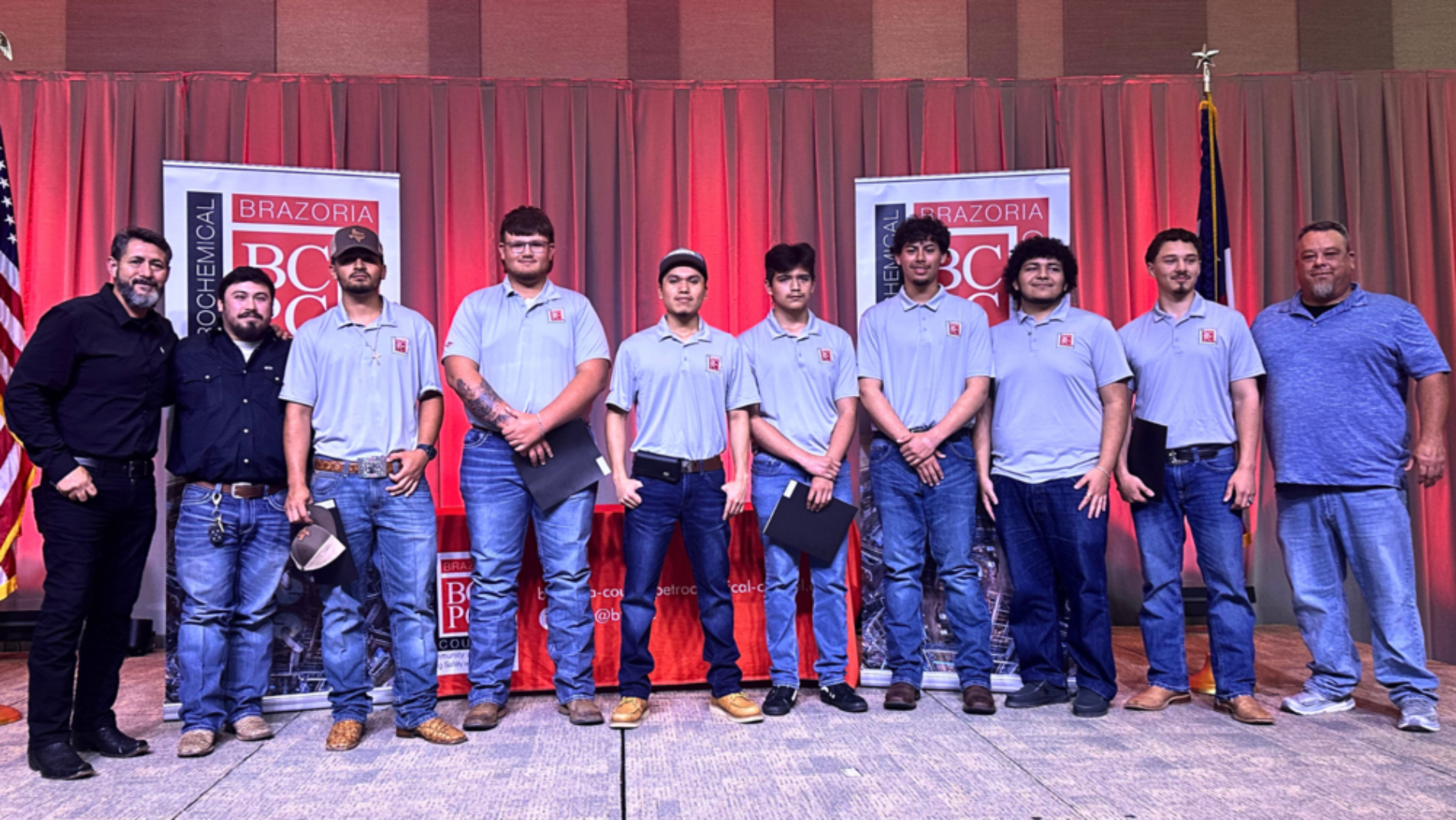
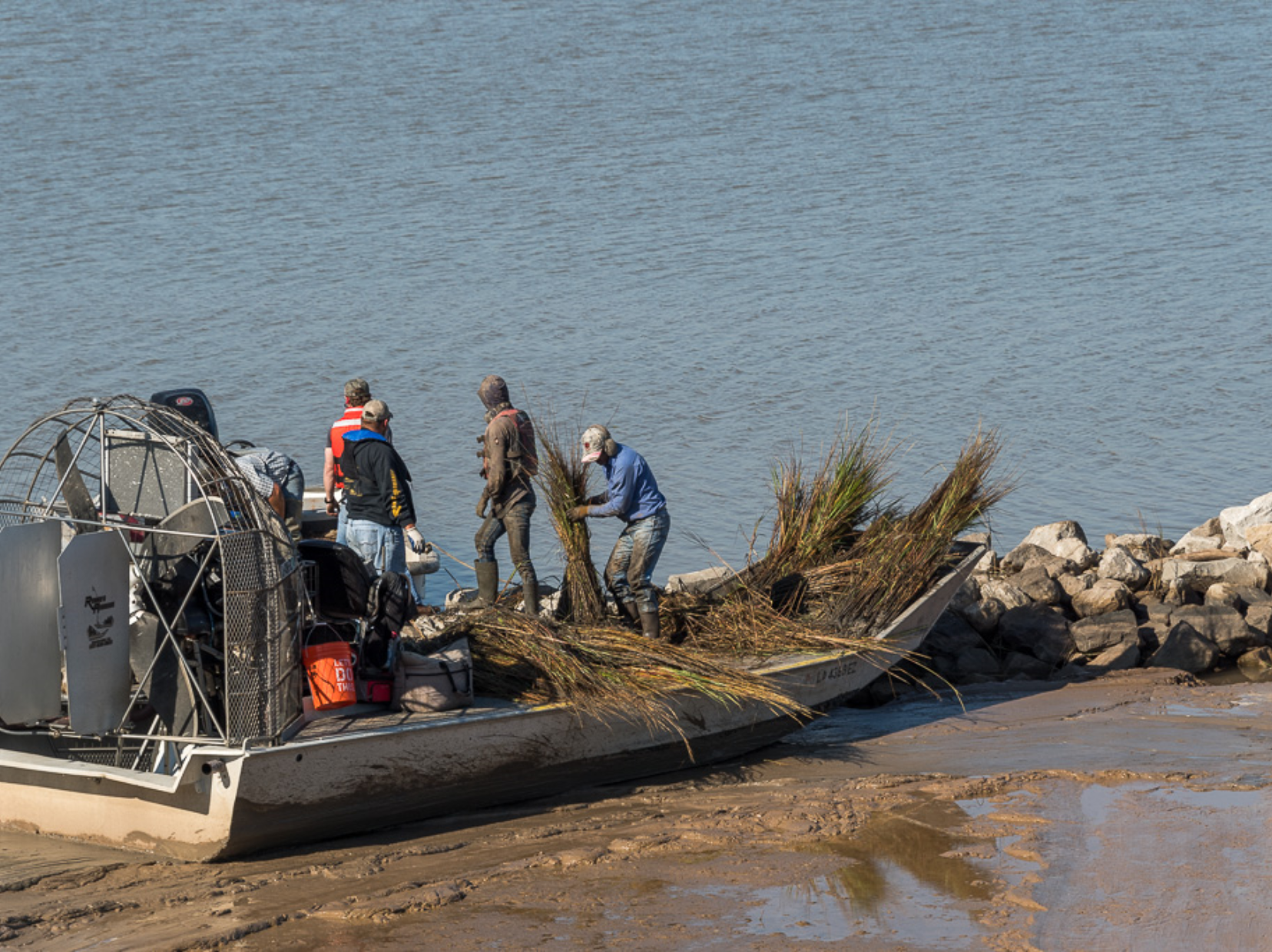
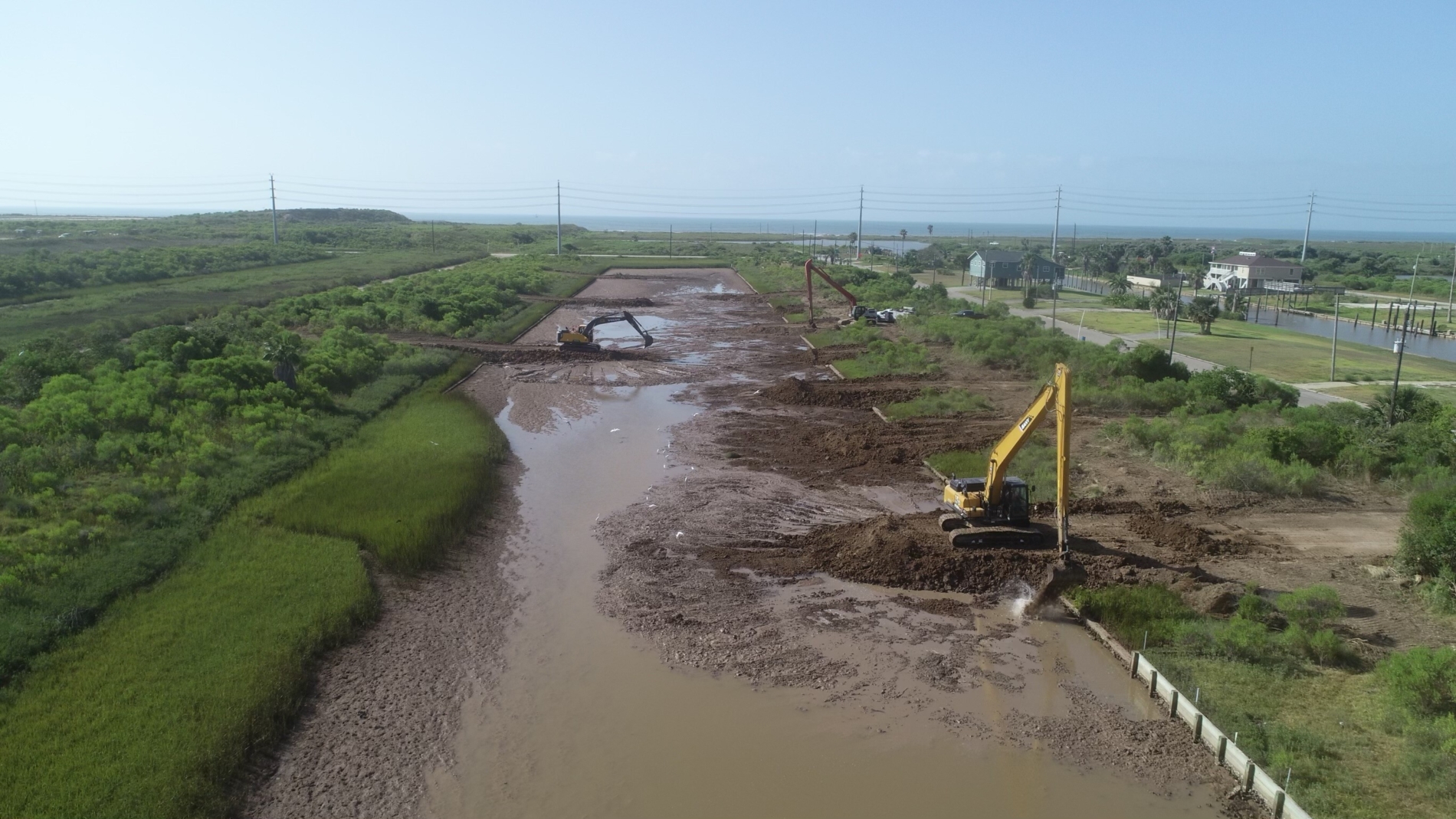
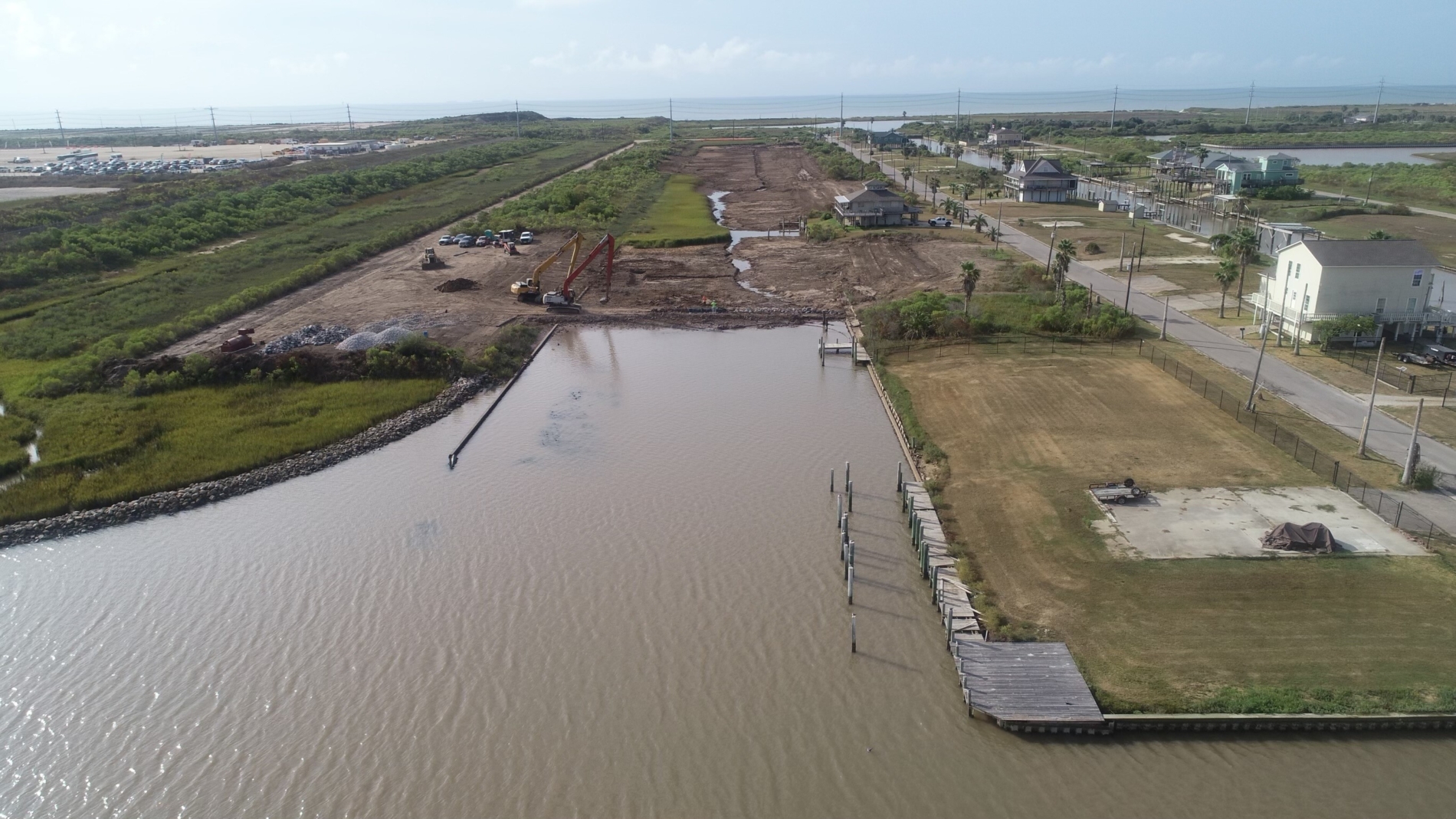
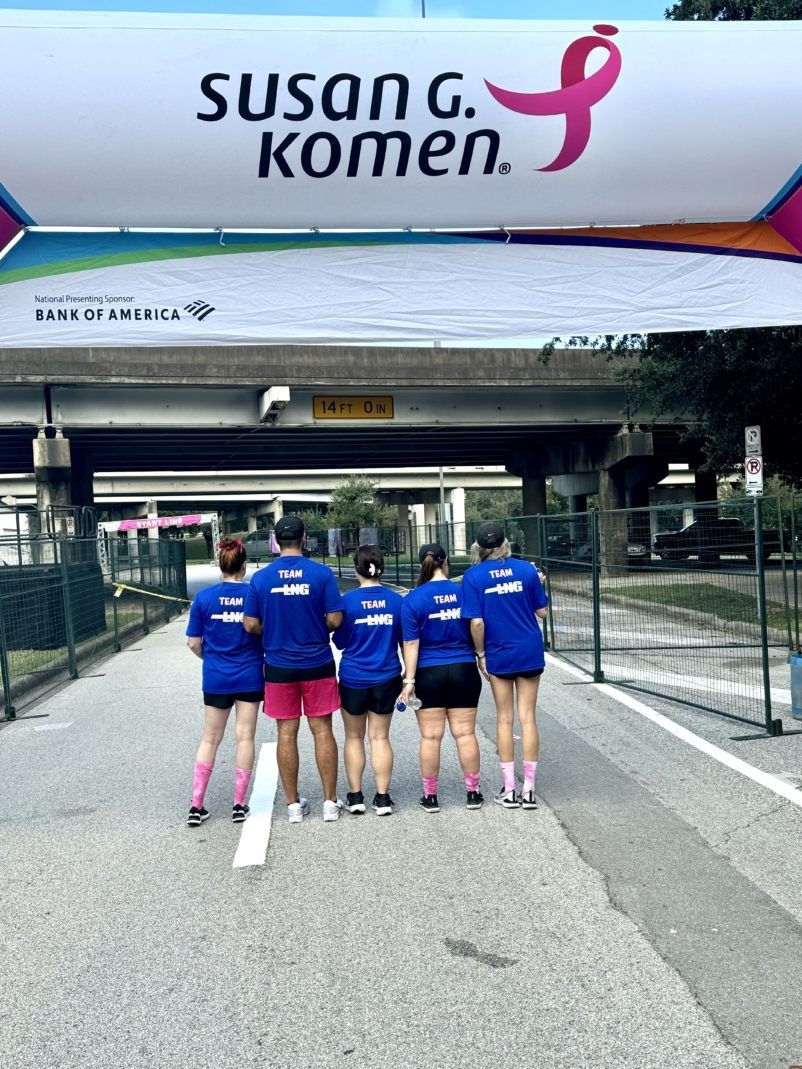
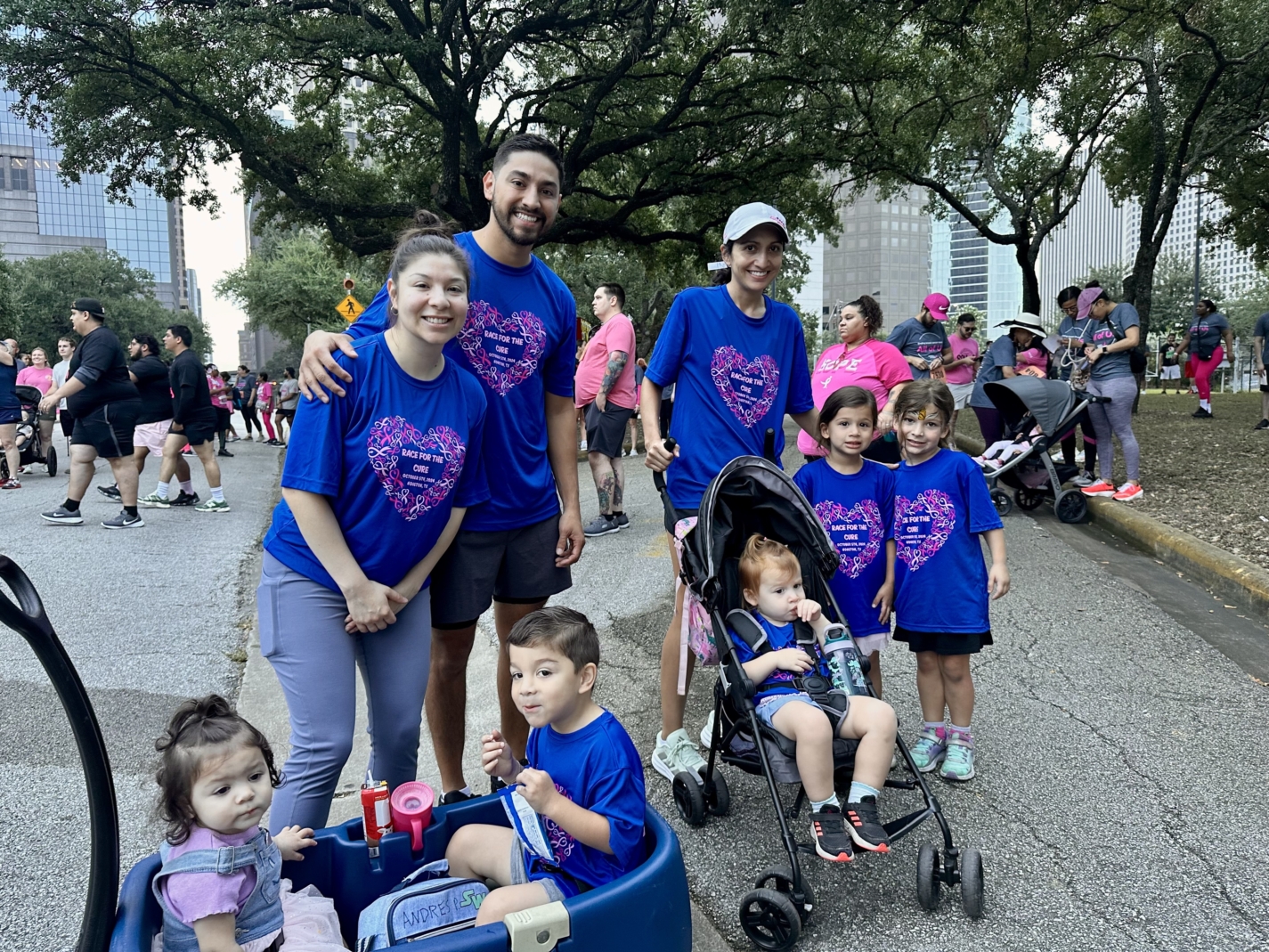
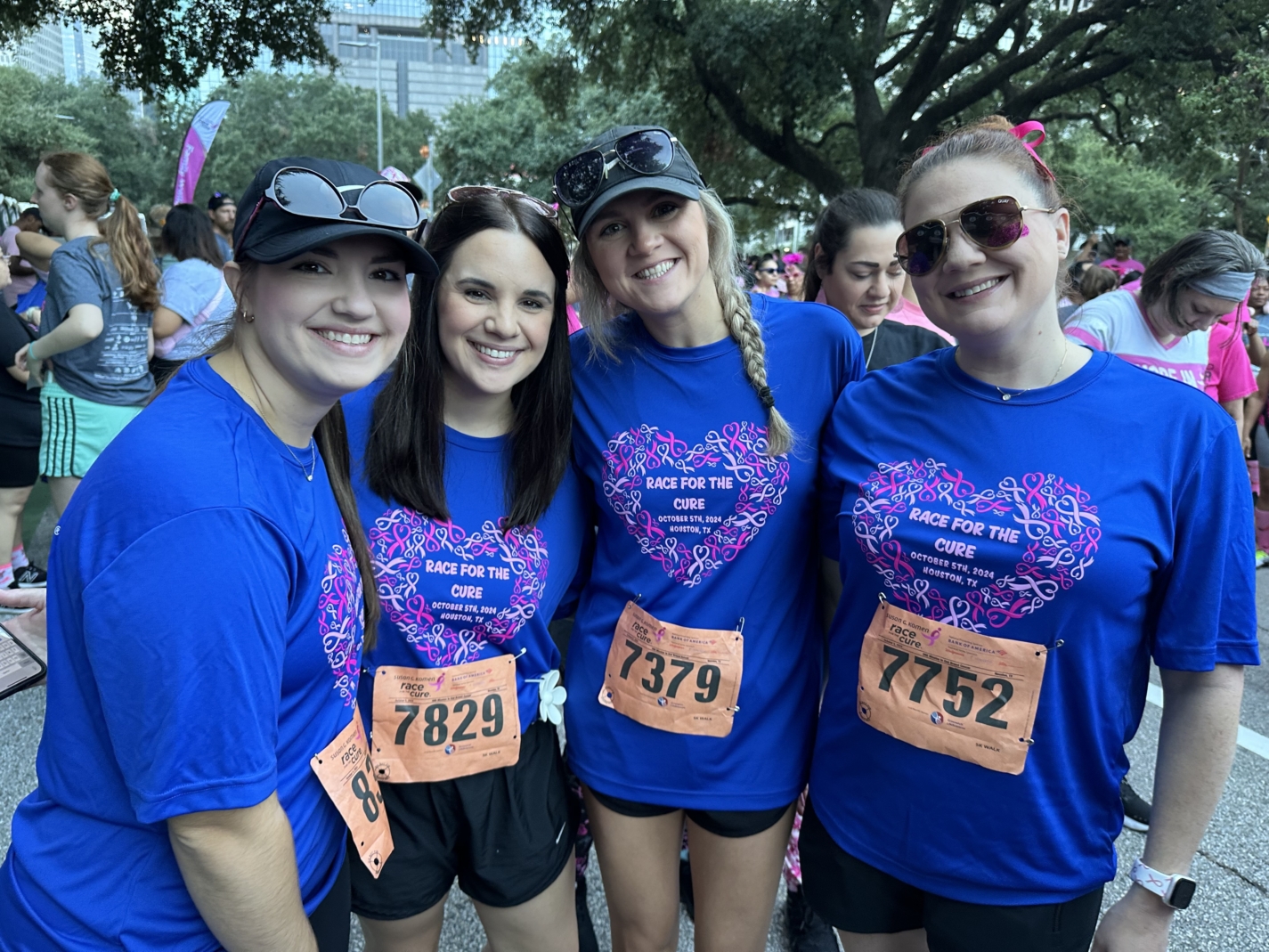
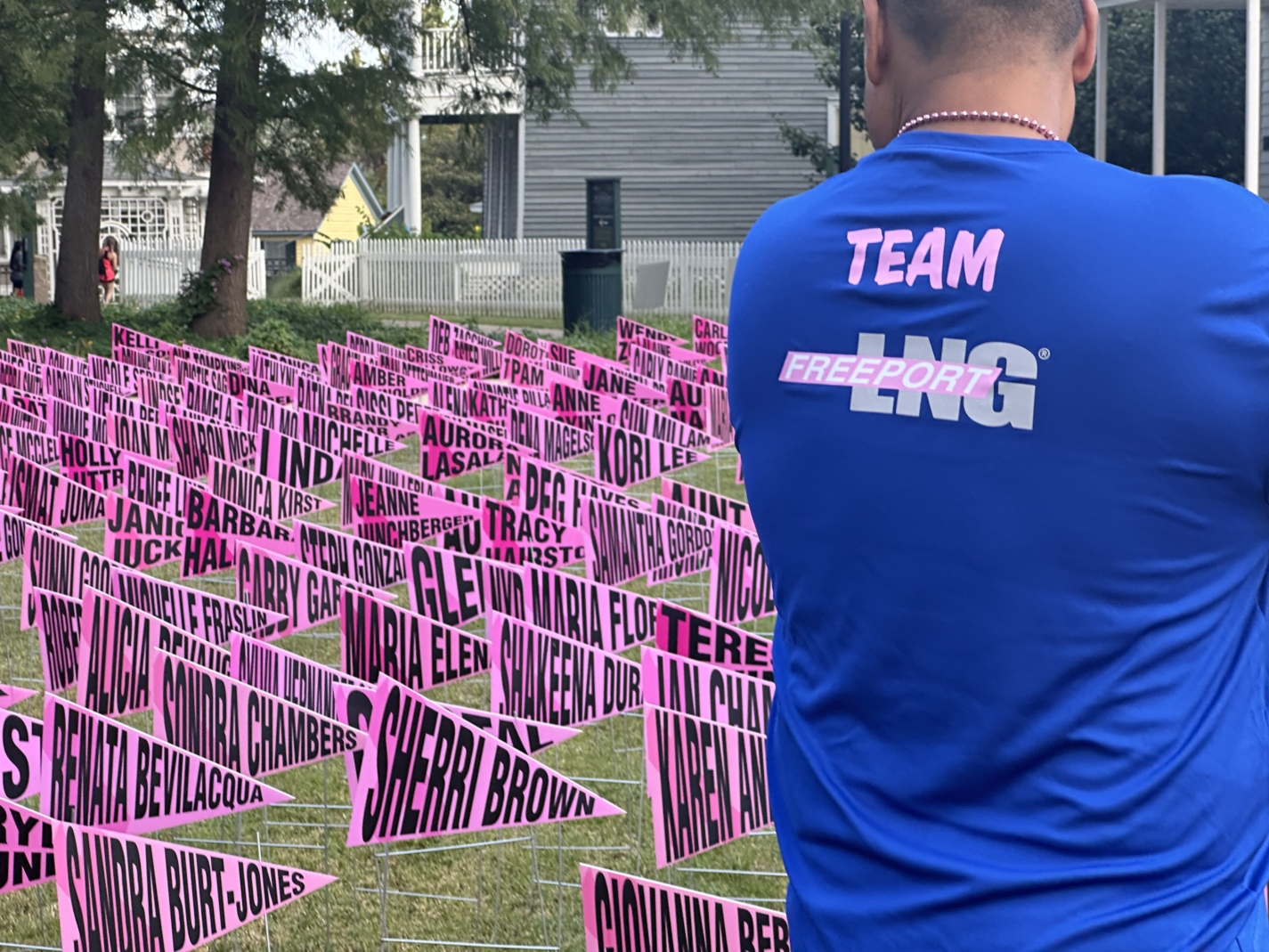
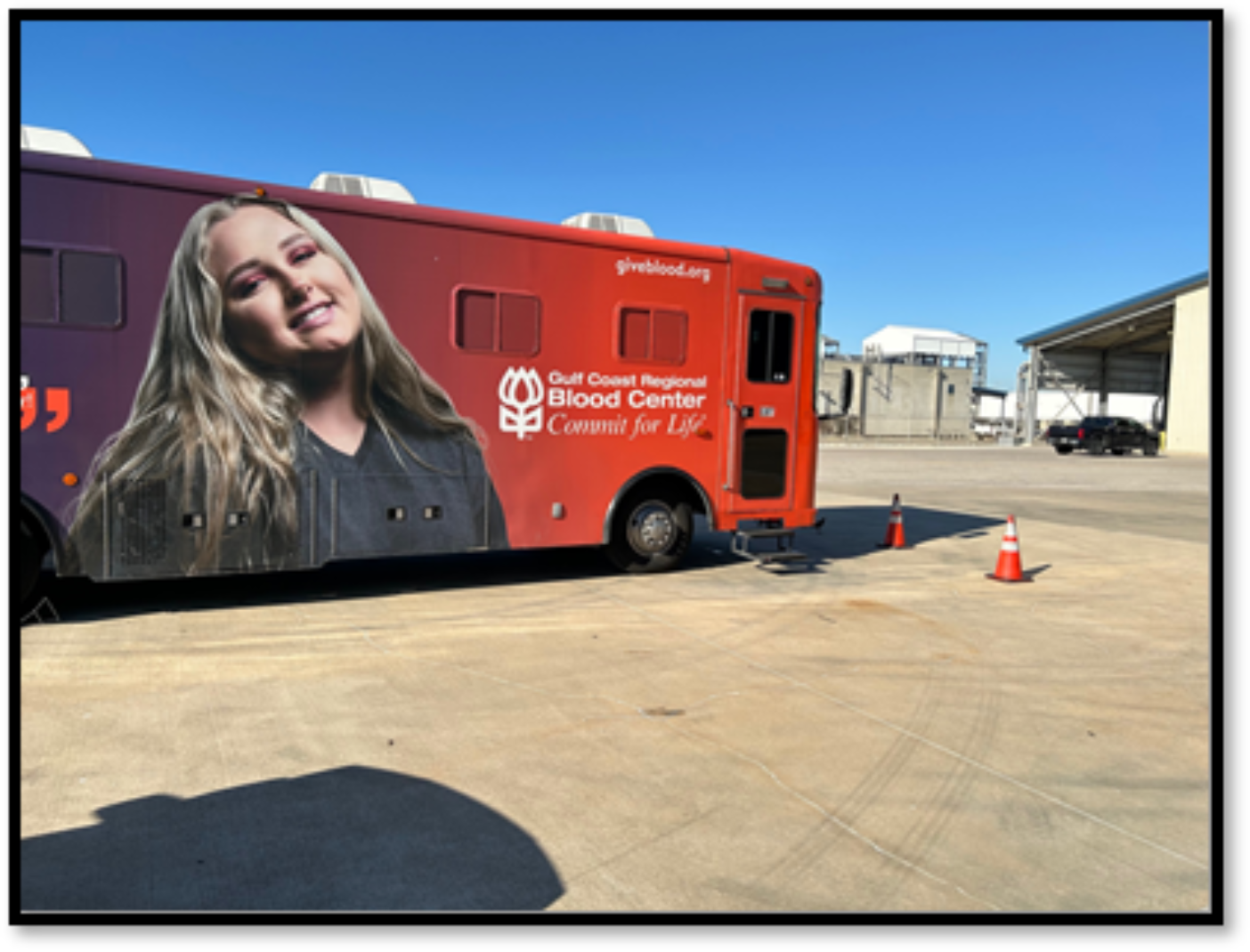
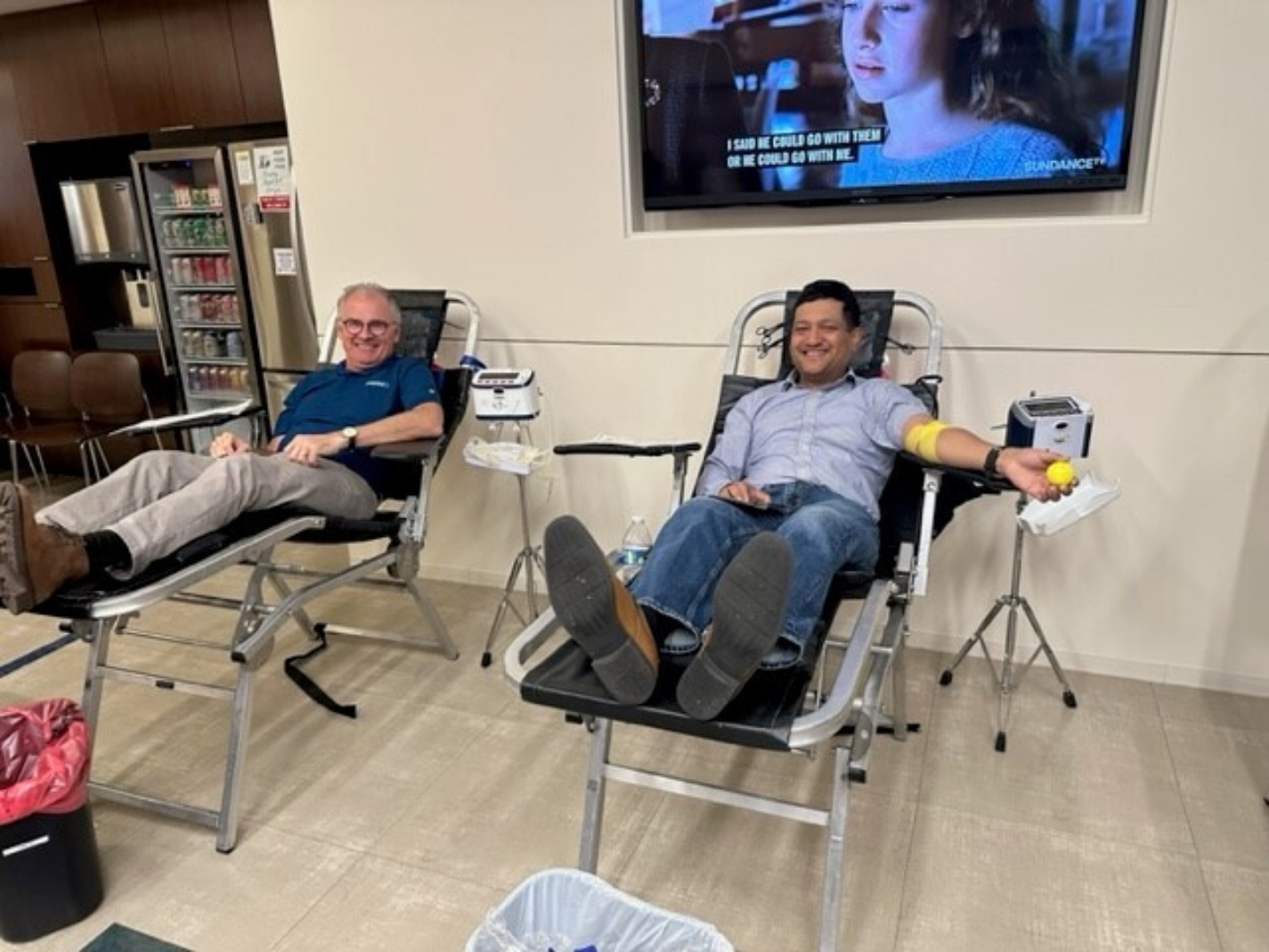
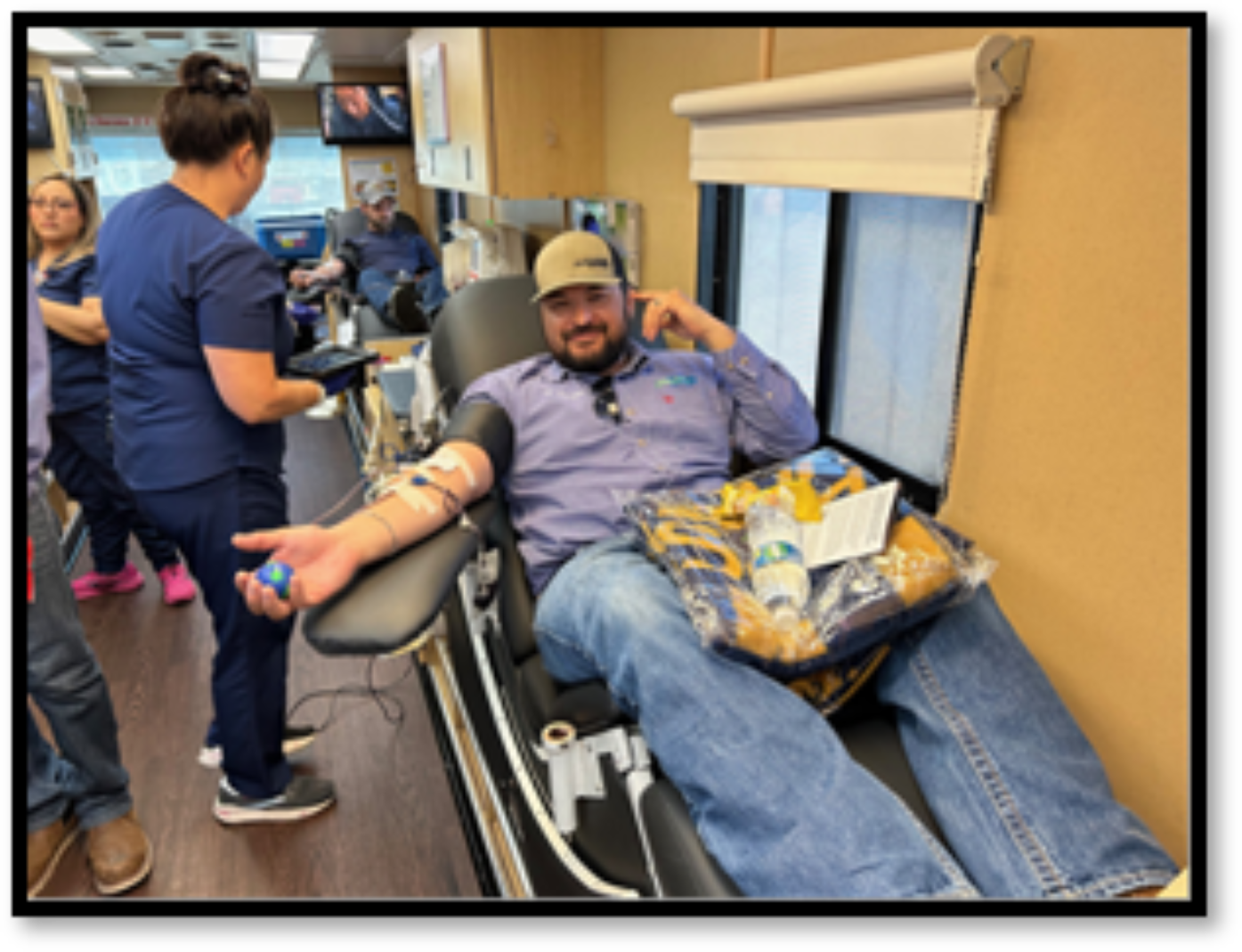
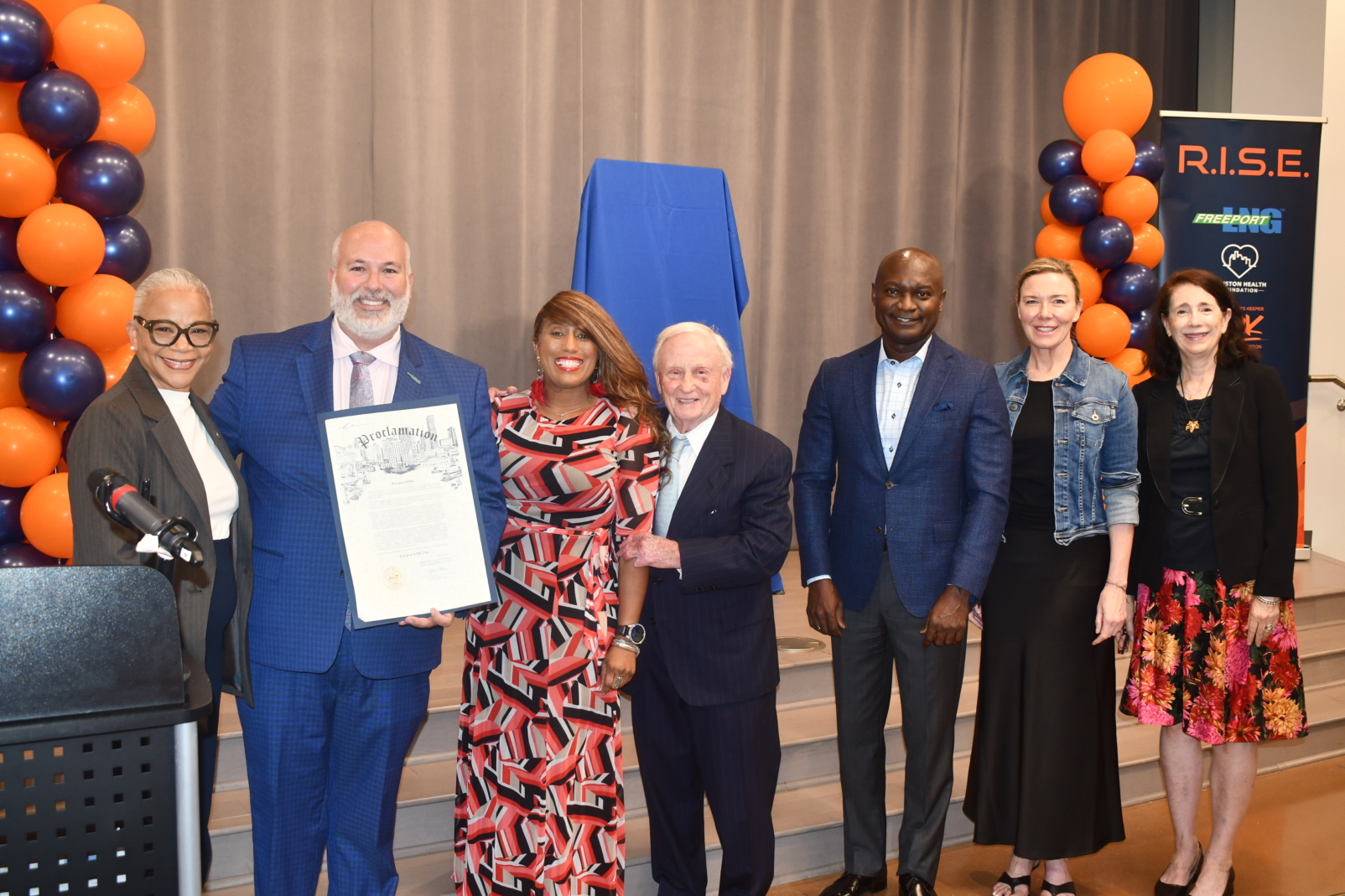
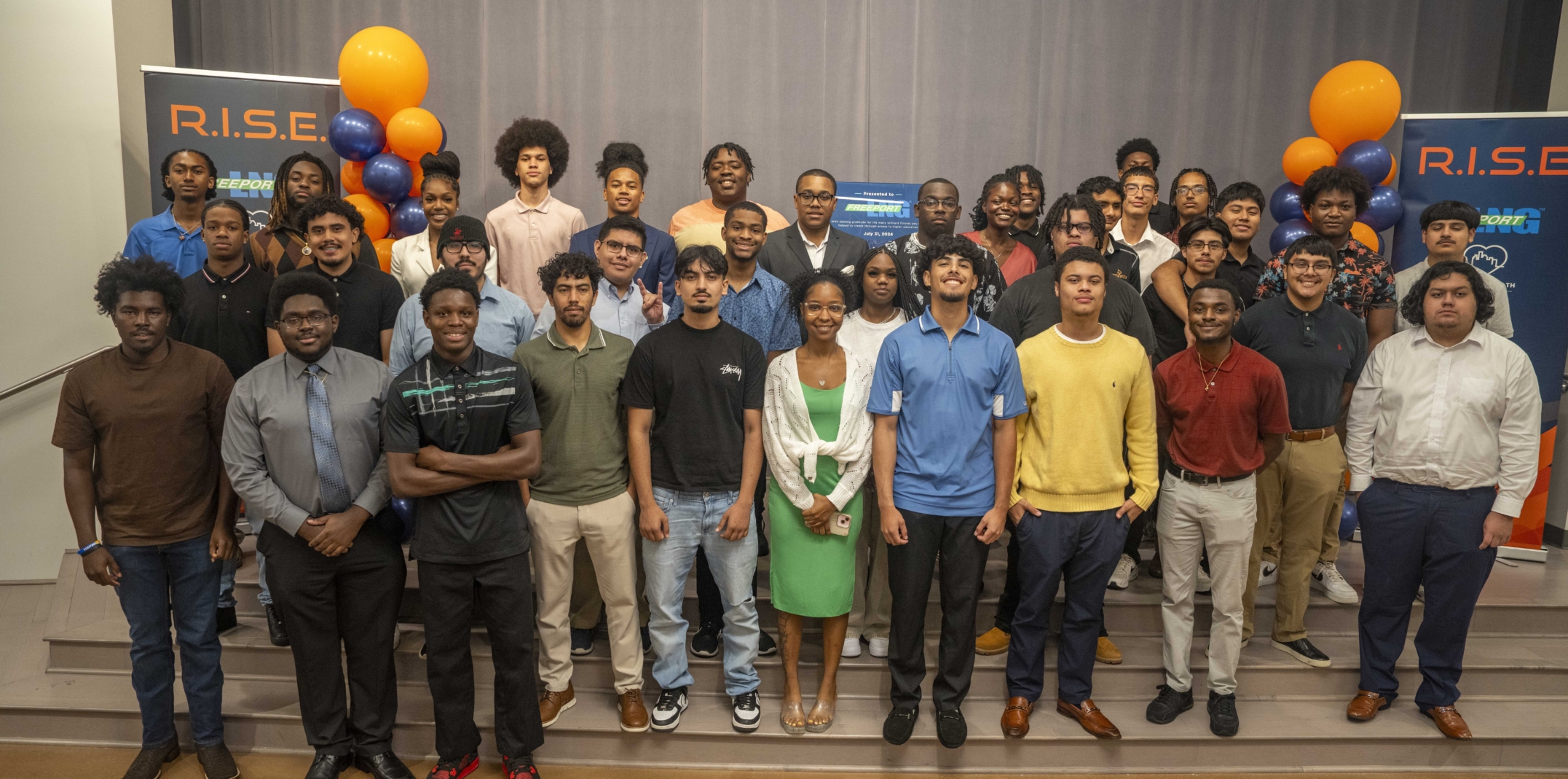
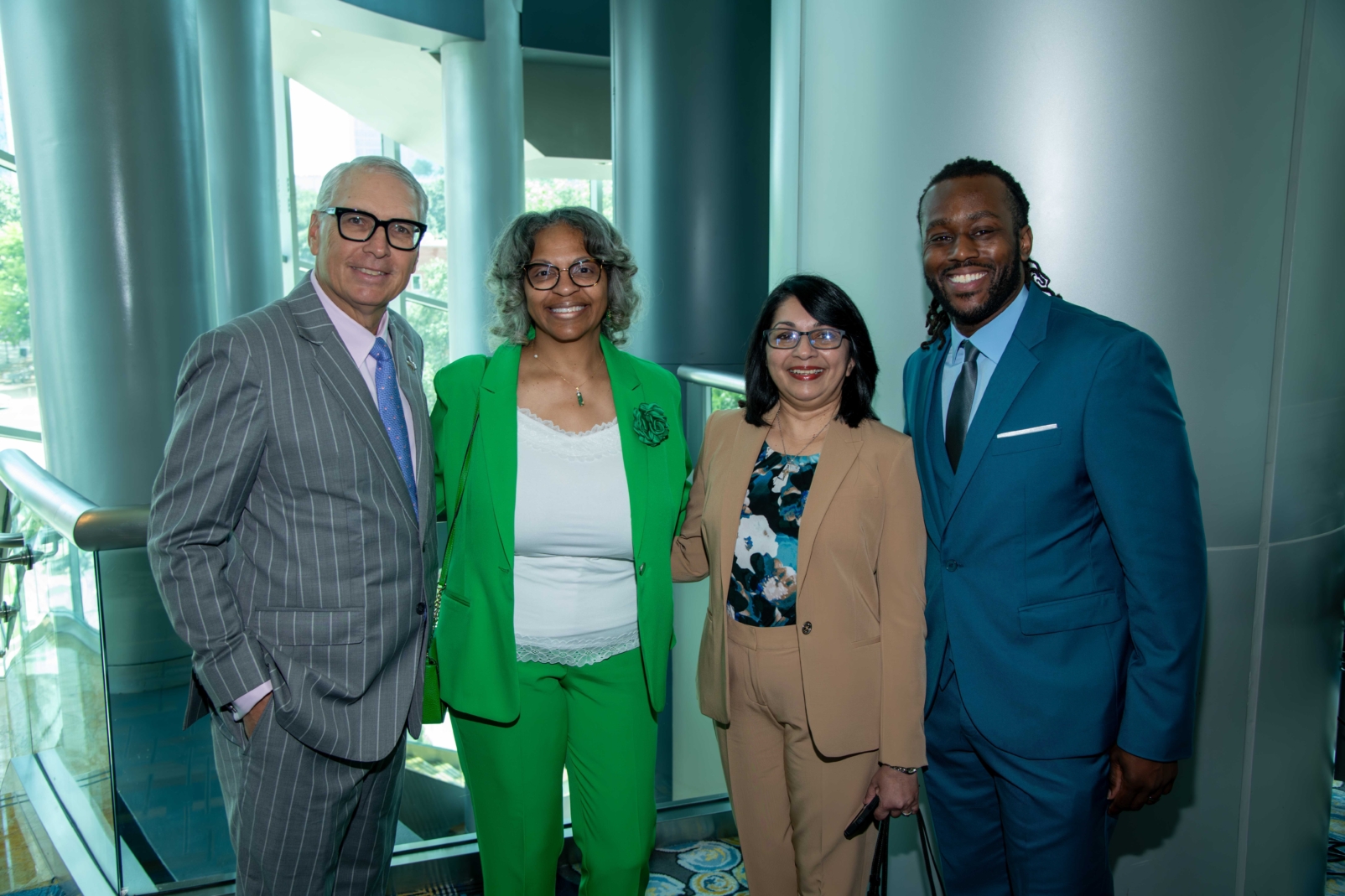

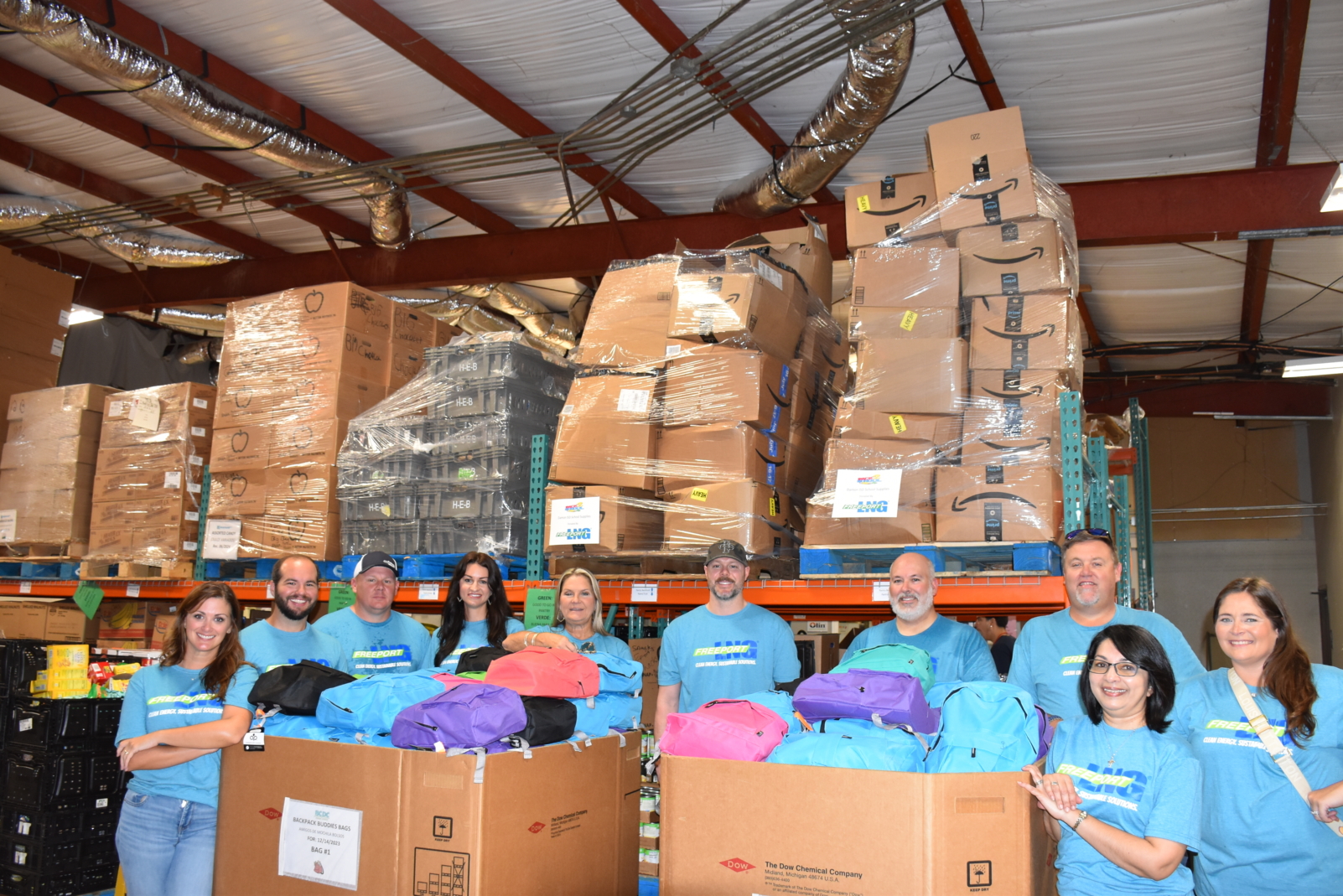
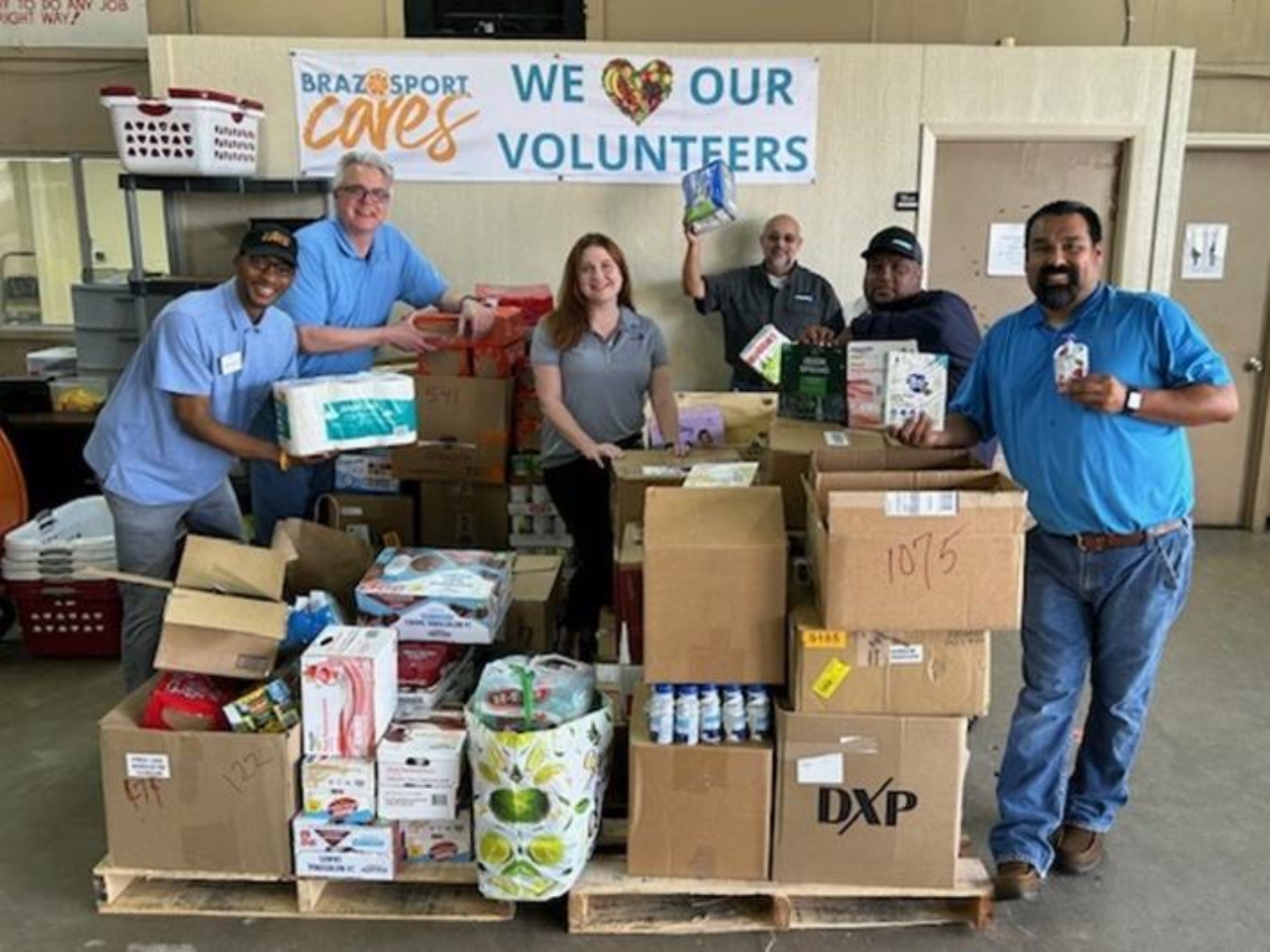
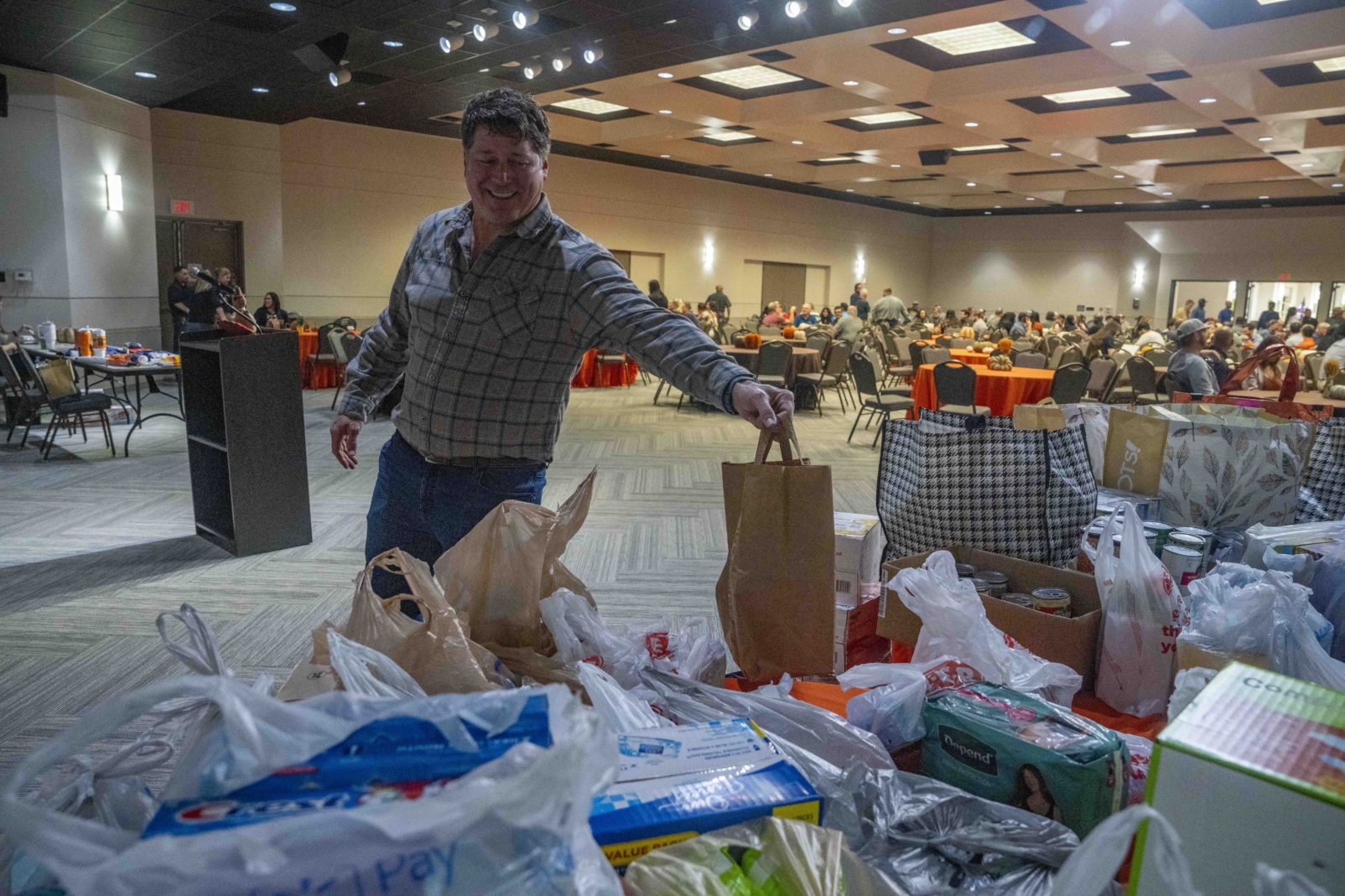
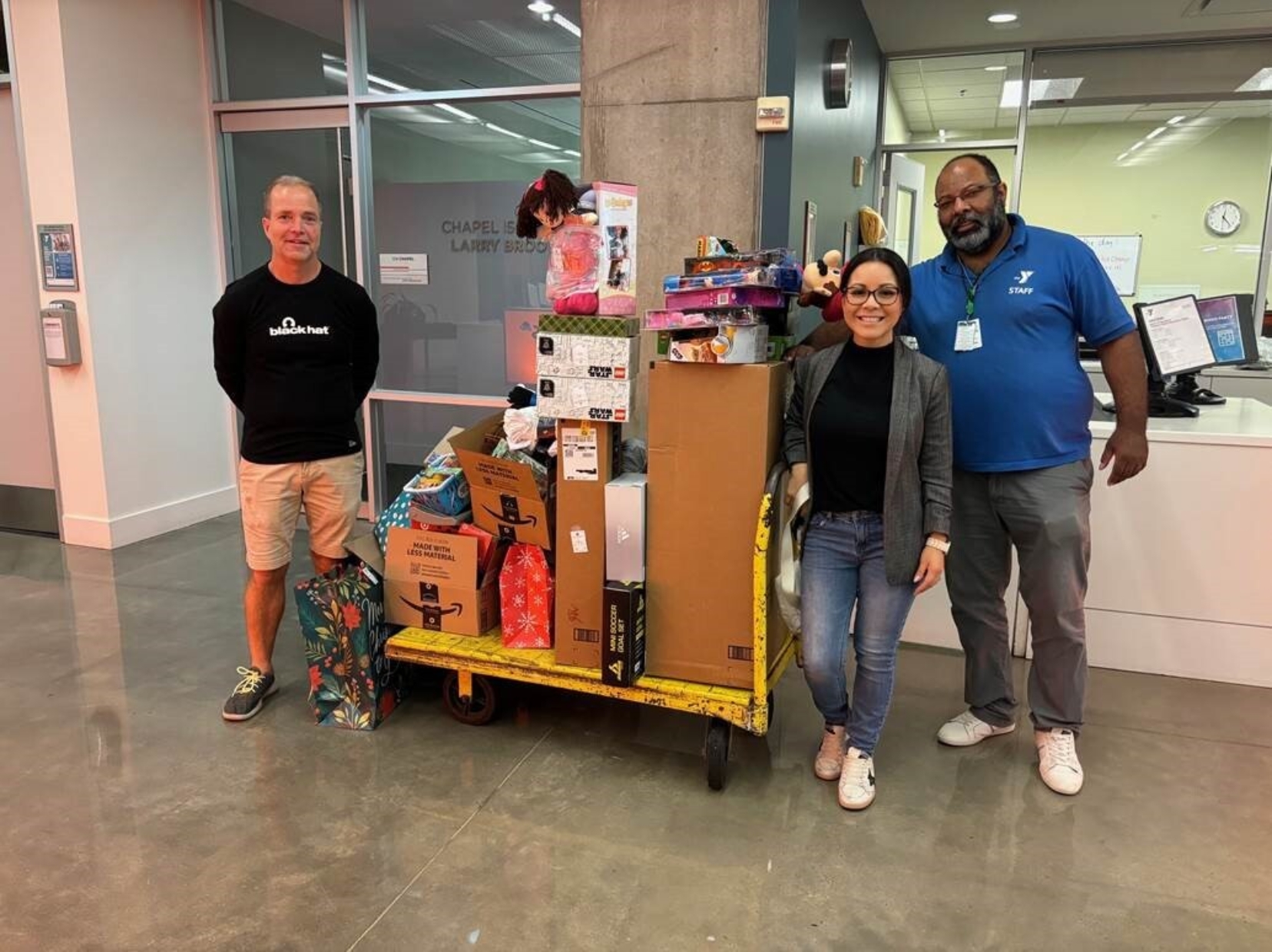
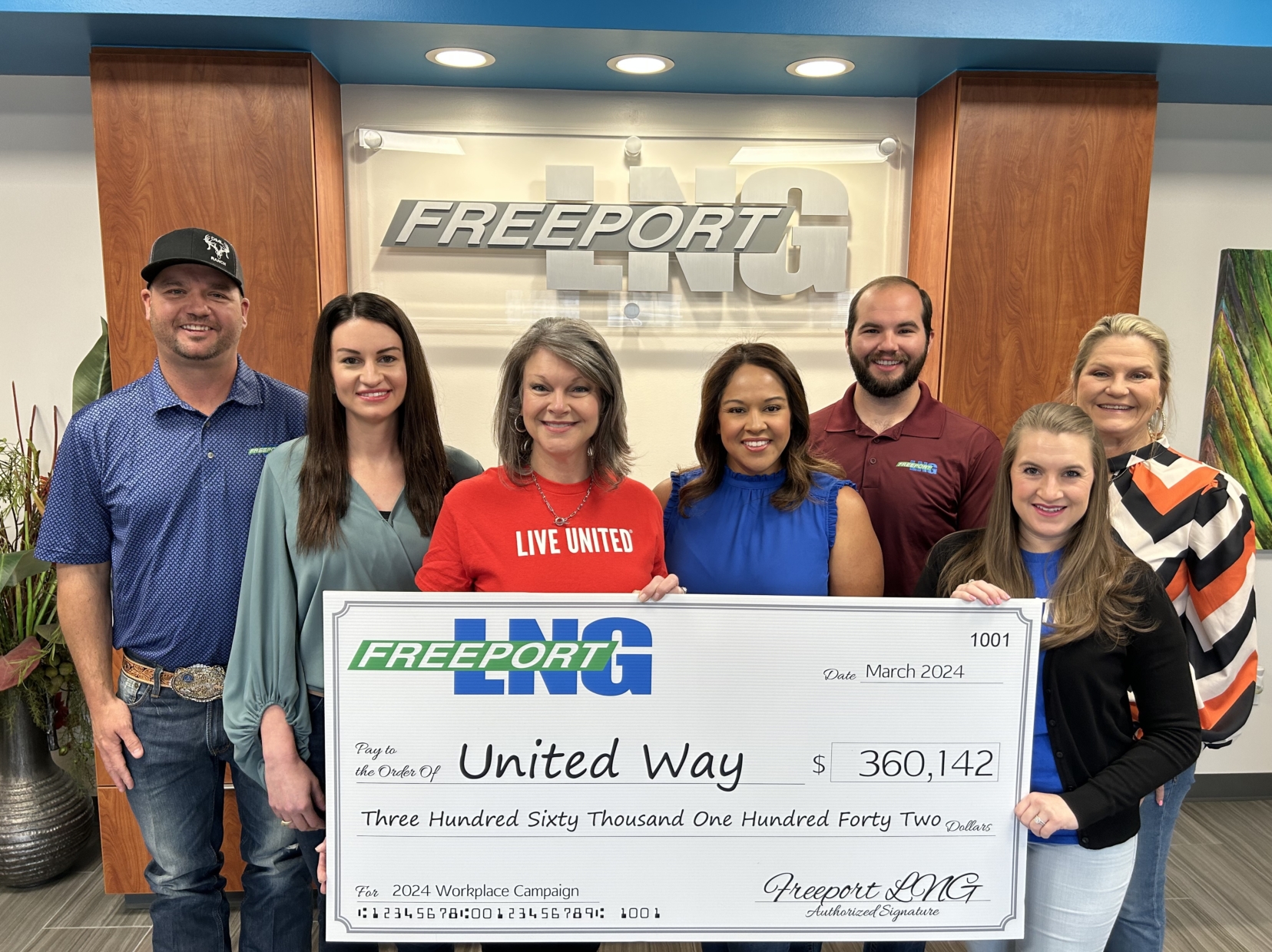
 Our board of managers is responsible for risk oversight, including financial, construction and operational risks. The board works to ensure that Freeport LNG conducts its business responsibly and ethically, with a focus on sustainability, safety and strict adherence to all laws and regulations. The board appointment rights in favor of our shareholders ensures the independence of our board, with seven of our eleven board members being independent. The remaining four members of our board are members of the company’s executive leadership. Our board is actively engaged in the management of our business, with near perfect attendance by all of our board members at our quarterly and special board meetings in the past year.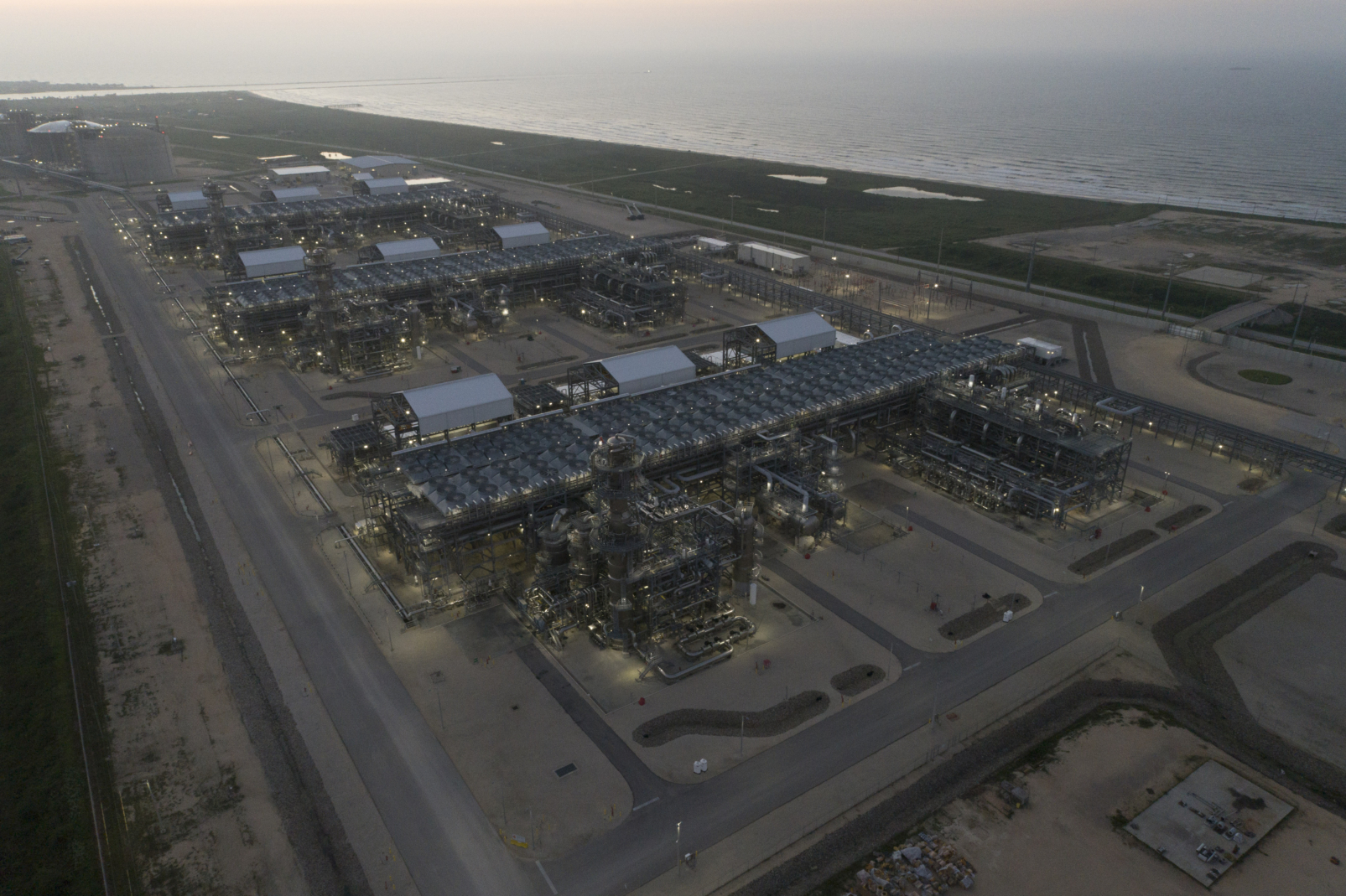
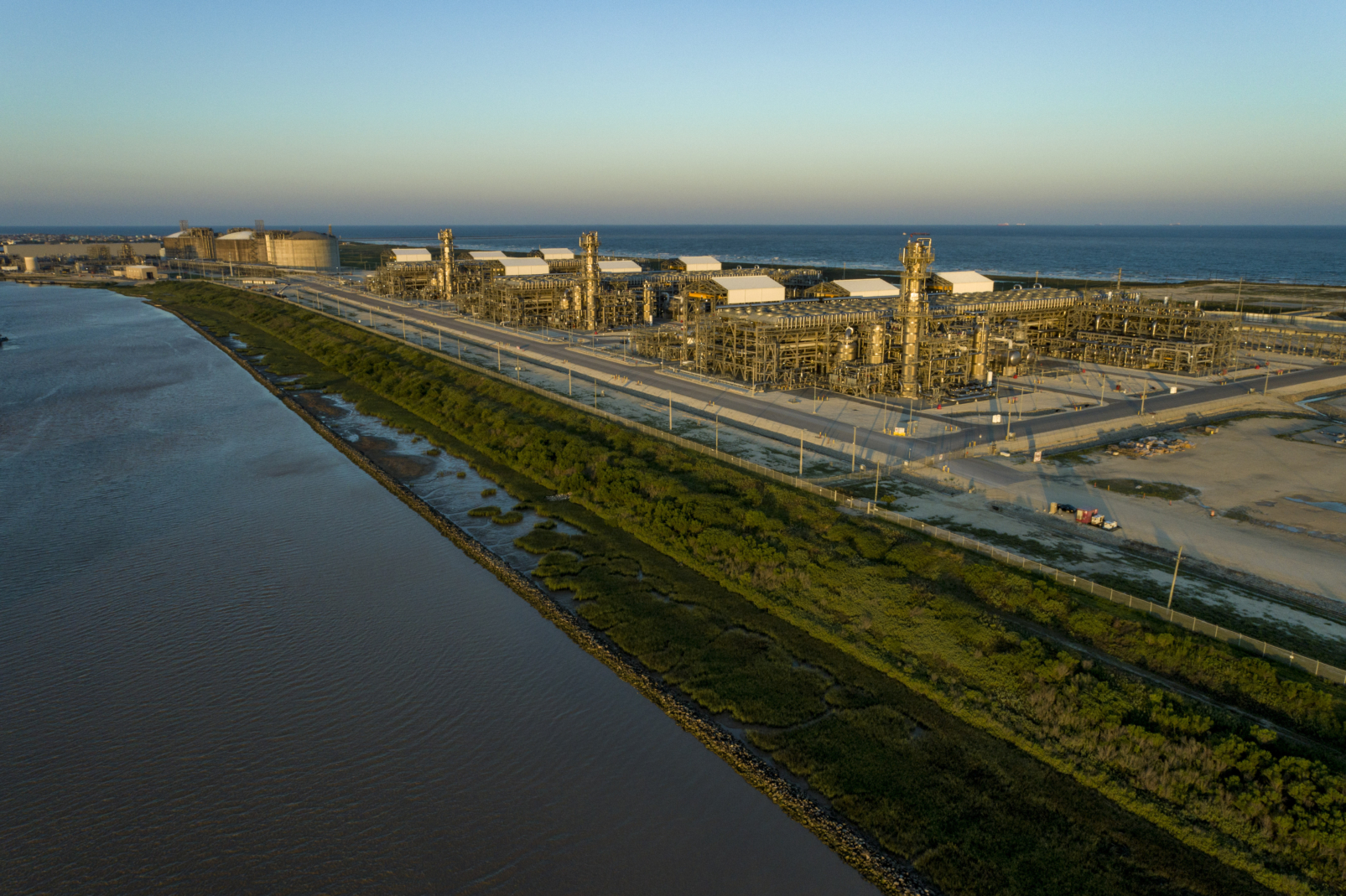
 Under our corporate governance structure, the board is directly representative of and accountable to our equity investors, and the short- and long-term interests of our investors and the board are directly aligned. This seamless alignment of interests between our company, its board and its investors, and the direct access that our investors have to company management and information, uniquely positions Freeport LNG to protect investor rights and interests and ensure strong corporate governance.
  Our ethics and integrity efforts are led by our SVP, General Counsel & Secretary, with support from Human Resources Department. With assistance from Human Resources, the Legal and Risk/Compliance departments, headed by the SVP, General Counsel & Secretary, implement our ethics and compliance policies and work with executive leadership to address concerns that may arise.
 Human Resources and the Legal and Risk/Compliance departments, headed by the SVP, General Counsel & Secretary, are generally responsible and accountable for our Enterprise Risk Management (ERM) program, and chairs our risk committee, which is comprised of senior executives and managers from across the organization. The risk committee meets on a quarterly basis to define, review and update the top existing and emerging risks to the organization. Once defined, risks are assigned to risk owners, and measured based on probability and severity. Risk mitigants are detailed and those mitigants are updated regularly. Annually, our SVP, General Counsel & Secretary briefs the board regarding the status of the company’s ERM program and top risks. Internal Audit periodically audits the entire ERM program process and reports findings to the Audit Committee.
 LNG exports from Freeport LNG offer an opportunity to play a key role in the global transition to cleaner, less carbon-intensive energy sources. This compels our board and executive leadership to clearly articulate and execute upon strategies for managing such risks and capitalizing on such opportunities.
 Critical suppliers are those who provide products or solutions that are not easily substitutable, and the loss of which could result in significant adverse impact to our operations. We currently rank our critical suppliers into three categories:
  Organizations, large and small, have had their operations impacted by a range of breaches. At Freeport LNG, we take an aggressive approach towards cybersecurity, working daily to mitigate and manage threats and risks in order to maintain business continuity and prevent reputational harm.


