
The LNG Markets – A Retrospective Overview
Nearly five years ago, the United States was the 17th largest LNG exporting country with only three million tons per annum (mtpa) of exports during the prior calendar year. Today, the United States plays a critical role as the world’s third largest LNG producer with 78 mtpa of production. Moreover, an additional 30 mtpa of new production is under construction, which will make the United States the largest exporting country in just a few years. Rapidly changing dynamics around the reliability of Russian LNG and gas supplies, the United States’ vast natural gas reserves and stable LNG industry is poised to play a critical role in keeping the world’s energy supplies flowing.
Following the temporary demand destruction that resulted from COVID-19 shutdowns, the LNG market is now tight with record LNG prices throughout the world, proving once again that the only certainty about the future is that what we think is going to happen rarely does.
Apart from the Russian invasion of Ukraine, what changed between then and now was the accelerated adoption of international energy transition goals which has seen an increasing amount of capital invested in renewable and natural gas power generation. The Asia Pacific region represents 60% of the world’s population and 75% of the world’s demand for coal. Developing nations in this region are in a delicate situation that requires public policy to balance between socioeconomic growth and clean energy programs. To do this, gas-fired power generation, including LNG-to-Power projects, will play a key part in decarbonizing these countries, not only because it provides affordable energy, but also because natural gas-fired plants ensure stability of the power grid, allowing energy penetration to really take hold.
Nowhere is this more evident than in China, where consumption of LNG has increased in the last five years from 26 mpta to 80 mtpa, making China the world’s largest LNG importer. While it seems unlikely that China’s demand will continue to grow at its current five-year compound annual growth rate of 25%, there is reason to be skeptical that it will slow to the mid-single digit type growth rates that many are forecasting. China has announced plans to increase its import capacity in the next decade with 70 mtpa of new regasification capacity already under construction. Given the ongoing energy transition in China, including increased electrical vehicle usage, it is quite clear that Chinese LNG demand is going to be very robust for the foreseeable future.
The bigger question, then, is from where is all of the LNG needed to meet this growing demand going to come? With significant questions surrounding the availability and reliability of Russian supply, limited new investments in LNG production in the last several years, and delays and turmoil impacting some projects in development, prior concerns of LNG oversupply have now turned to fears of significant market shortages. Whether the Qatari expansion is the announced 32 mtpa or the rumored larger expansion of 42 mtpa (which wouldn’t be fully on line until the end of this decade), demand growth forecasts are outstripping known supply growth handily, geopolitical concerns have come to the fore, and the energy transition has accelerated the need for more clean natural gas; all of this means that a lot more LNG than just Qatari volumes is needed.
A significant portion of this LNG will come from the United States, which has some of the lowest priced gas and most flexible terms in the world. With an ability to consistently deliver the most competitively priced LNG into Asia, the United States uniquely offers an affordable and stable energy solution that benefits our trade partners by putting downward pressure on global gas prices—something they would definitely appreciate today as prices for LNG into Asia and Europe punch above $50/MMBtu and will likely stay in the double digits for the next several years. U.S. LNG can play a key role in the global LNG marketplace to help moderate these prices and stabilize geopolitical dynamics, especially for those that sign up to long term offtake from the United States.
Given that so much of the global LNG demand growth is and will continue to be energy transition driven, the Freeport LNG plant was strategically designed to be one of the most cost-effective suppliers of low-carbon-intensity LNG in the market. Our best-in-class electric motor technology reduces greenhouse gas emissions by 90% versus traditional gas turbine-driven liquefaction. No other large-scale electric liquefaction plant is operating in the United States. Moreover, our electricity is sourced from the Texas ERCOT electricity system, which is ahead of the national curve when it comes to adopting renewable sources of power generation. In 2021, 38% of the electricity generated in Texas was reported by ERCOT to have been powered by wind, solar and nuclear generation —more than twice the U.S. national average – and that continues to grow.
See the 2021 Fuel Mix Report here: https://www.ercot.com/gridinfo/generation/
The U.S. LNG industry will continue to grow to meet the needs of an ever-greening and ever more complex world. Natural gas is the cleanest way to power the world’s growing energy needs while nonetheless remediating carbon emissions. Freeport LNG stands ready as a proven, efficient, safe, reliable and environmentally responsible operator to serve the world’s LNG demands both through our current production and our planned expansion.
Health & Safety
OUR SAFETY PERFORMANCE
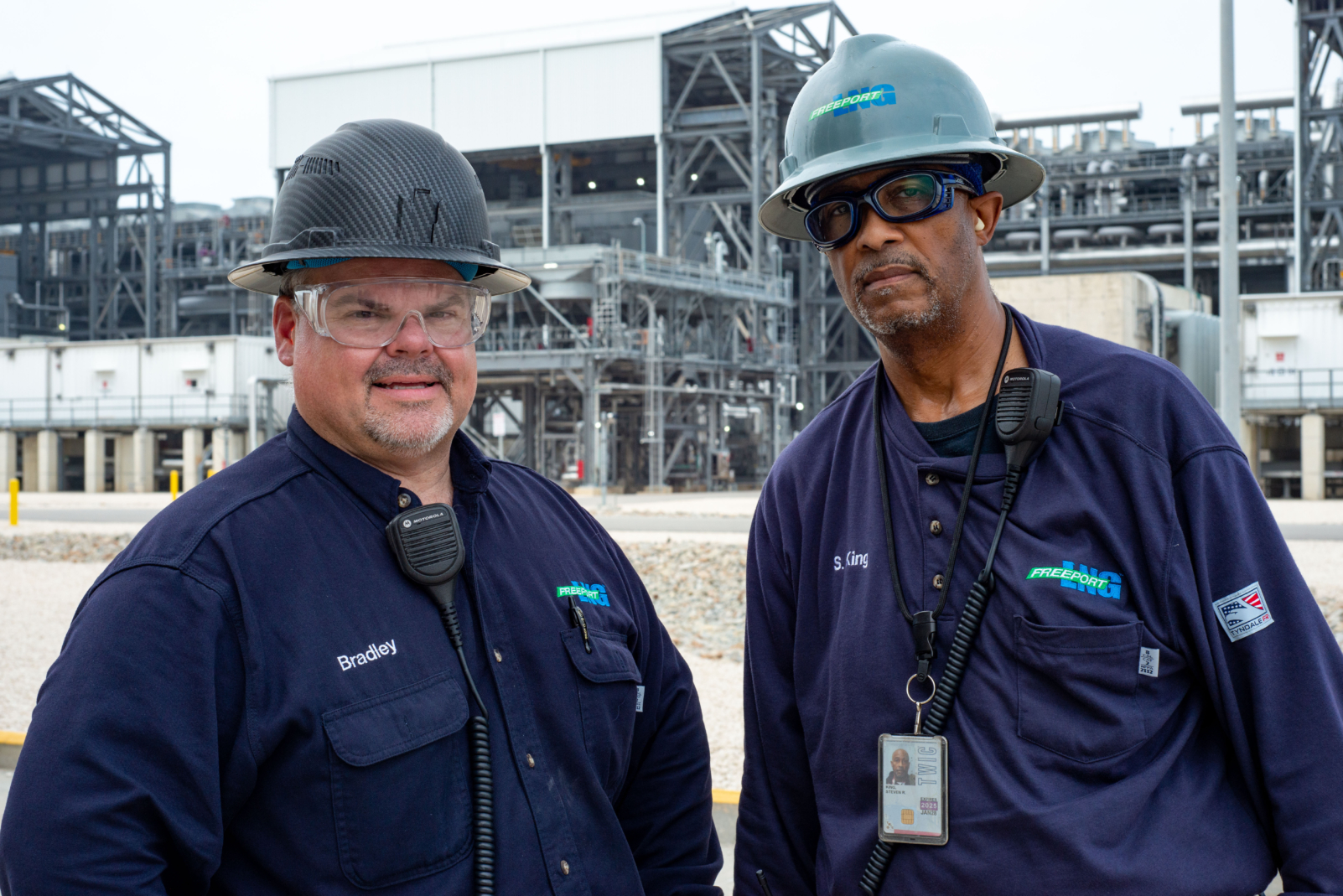
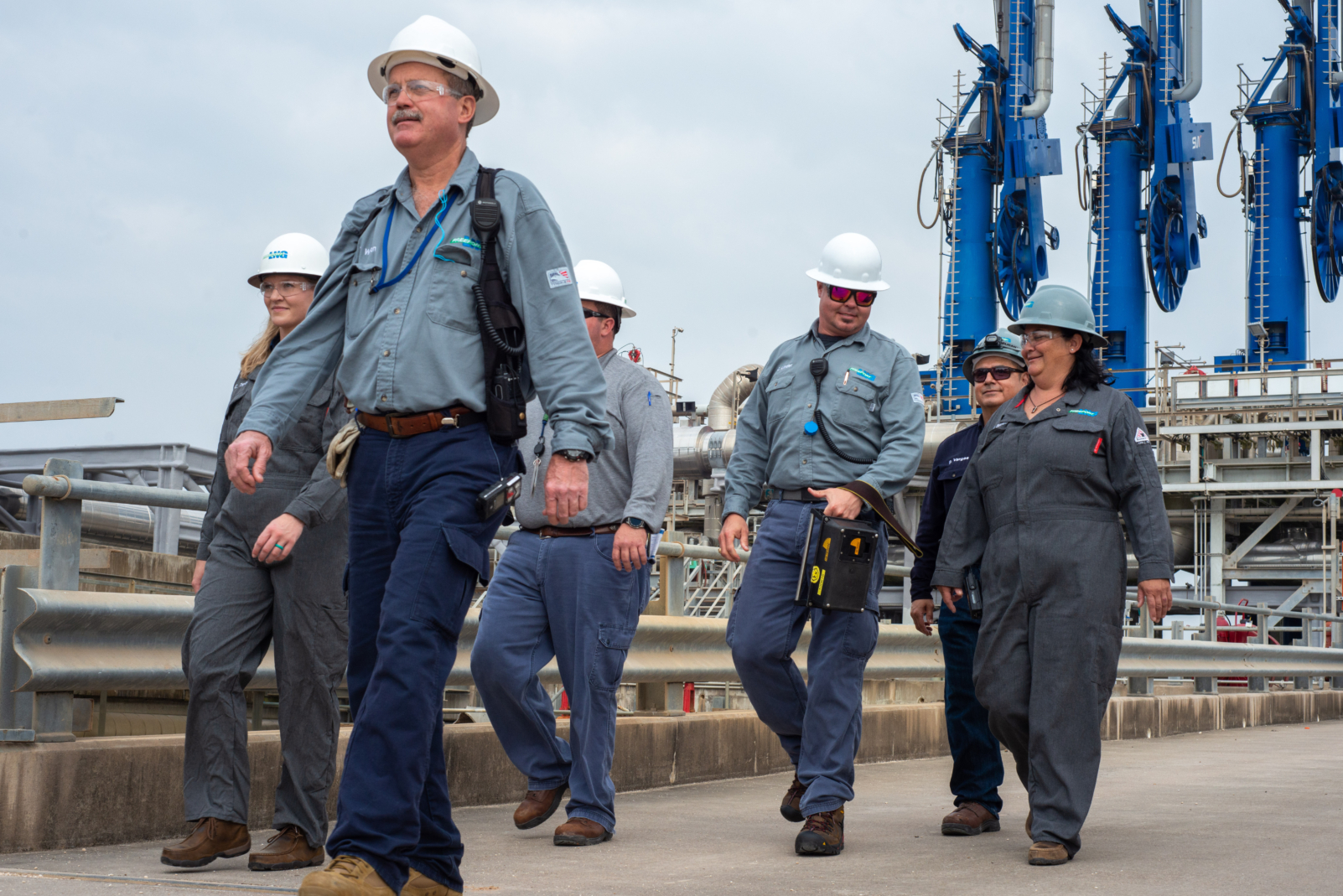
Freeport LNG’s safety performance remains ranked in the top quartile in our industry. In 2021, we achieved 13 years without an employee recordable incident. The discipline and dedication that resulted in achieving this milestone is what drives our operations. No Compromises. No Exceptions.
Recordable Incident
OUR SAFETY CULTURE
Maintaining our strong safety culture requires discipline, vigilance, and dedication by our employees. They are the driving force behind our successes through the years. Our safety standards and protocols align with regulatory requirements established by the Occupational Health and Safety Administration (OSHA) and the Pipeline and Hazardous Materials Safety Administration (PHMSA).
TRAINING AND PROTOCOLS
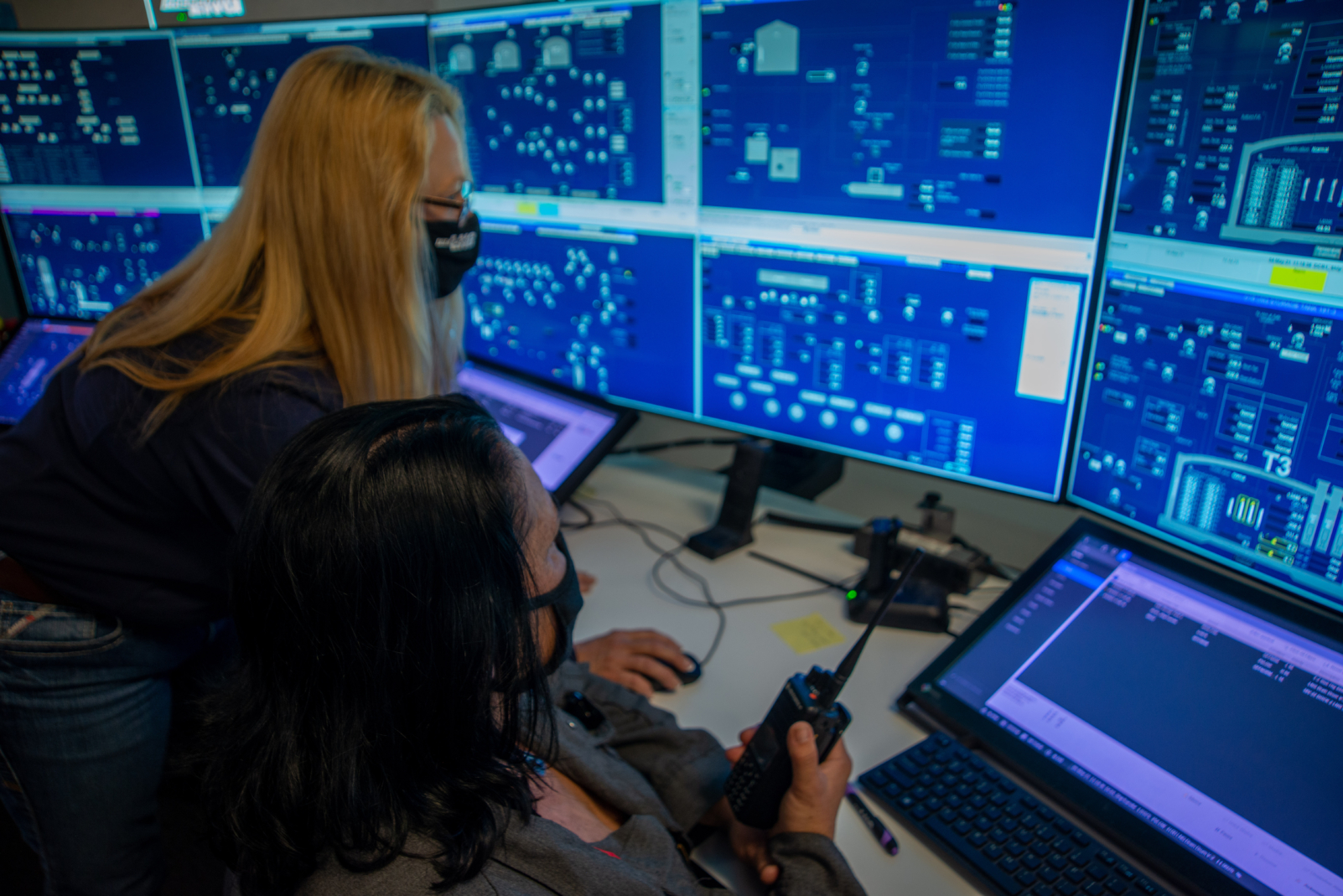
The strength of our safety culture is due in large part to the communication, guidance, and training that we provide employees. From Emergency Response to general safety protocols and procedures, we are committed to empowering our employees with the tools they need to be successful.
EMERGENCY RESPONSE
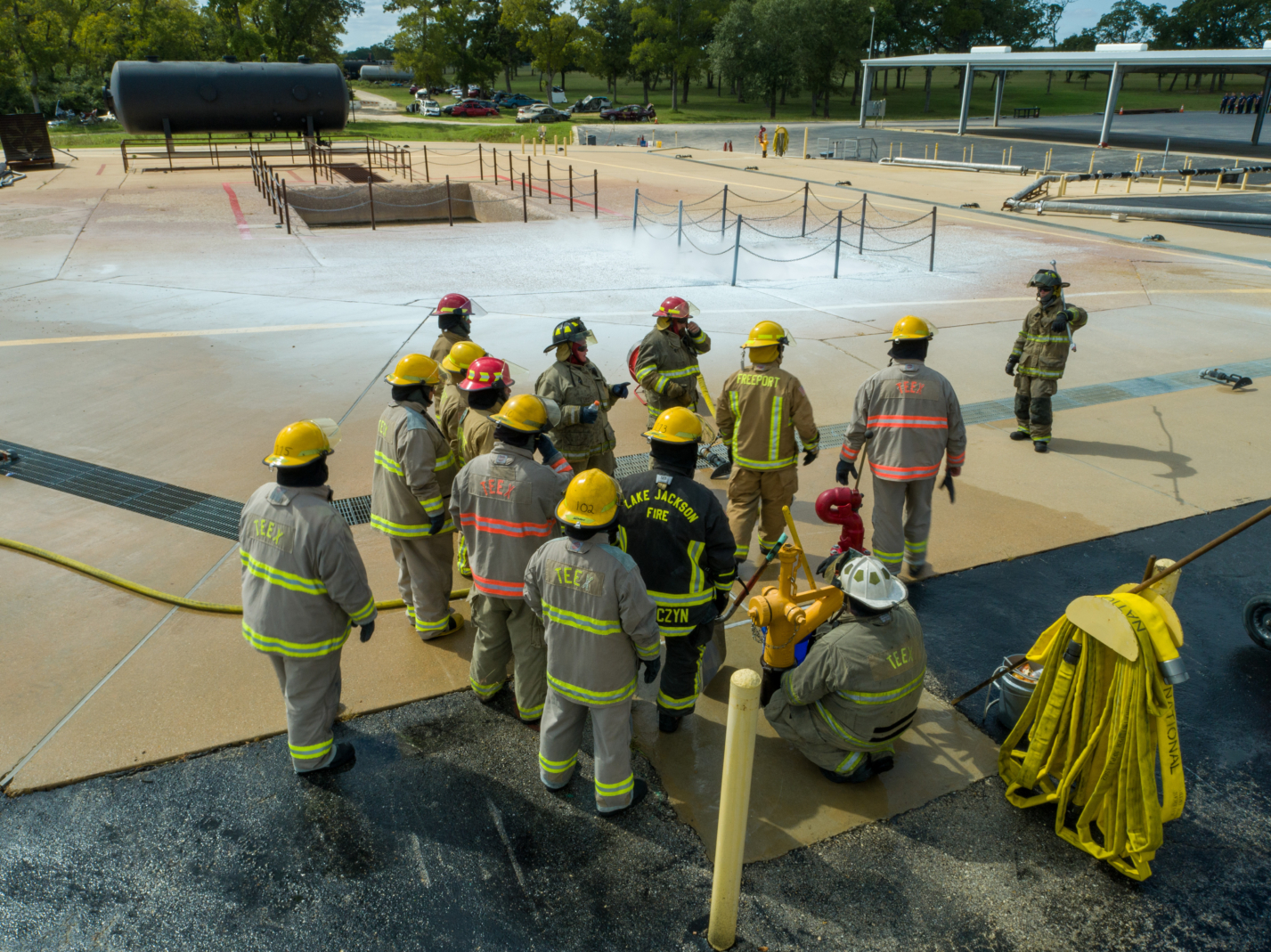
Our robust approach includes several key factors that assist us in our ability to successfully manage emergency incidents. Elements of our Emergency Response protocols include:
- Incipient Fire Training for Freeport LNG Operations and Maintenance Personnel; Industrial Fire Extinguisher, Wheeled Carts, Hydrants, Hydrant Monitors, and Foam Stations
- Haz-Mat Training for Freeport LNG Operations Personnel
- Confined Space / High Angle Rescue Training for Freeport LNG Emergency Response Team
- Attendance at Texas A&M Fire School for Freeport LNG Operations Personnel
GENERAL EMPLOYEE SAFETY TRAINING
We provide an array of safety training for our employees that spans both hands-on and Computer Based Training (CBT). Our employee training covers topics that include but are not limited to:
- Hazard Communication to all employees
- Hot Work Permit to Operations, Maintenance & Support Teams
- Confined Space Entry to Operations, Maintenance & Support Teams
- Scaffold User to Operations, Maintenance & Support Teams
- Job Safety Analysis to Operations, Maintenance & Support Teams
- Electrical Safe work practices to non-qualified worker
2021 Covid-19 Response
Even though we all hoped we would see the end of the pandemic in 2021, it continued to test the resolve of companies, communities, institutions and societies around the globe. Freeport LNG’s vigilance in protecting the health and safety of its workforce was unwavering. We maintained regular meetings of our pandemic committee that we established in 2020. To prepare for our employees’ June return to our offices, after more than a year of remote work, we established several health and safety protocols. In addition to masking protocols, signage was posted across our offices, noting reminders to maintain social distancing and proper hygiene practices. We also established protocols related to office meeting spaces and employee gatherings.
With the onset of the Omicron variant at the end of 2021, we established an on-site COVID testing program at our terminal facilities administered by health professionals. The testing program began with employees and contractors deemed critical to our operations, with testing as frequent as three times a week. With the Omicron wave quickly cresting in our region by mid-January 2022, and our successful maintenance of continuity of operations throughout, we were able to begin to ramp down our enhanced COVID protocols at all of our locations.
Our employees continue to answer the call, staying disciplined and vigilant. Their dedication continues to play a pivotal role in our organization’s success.
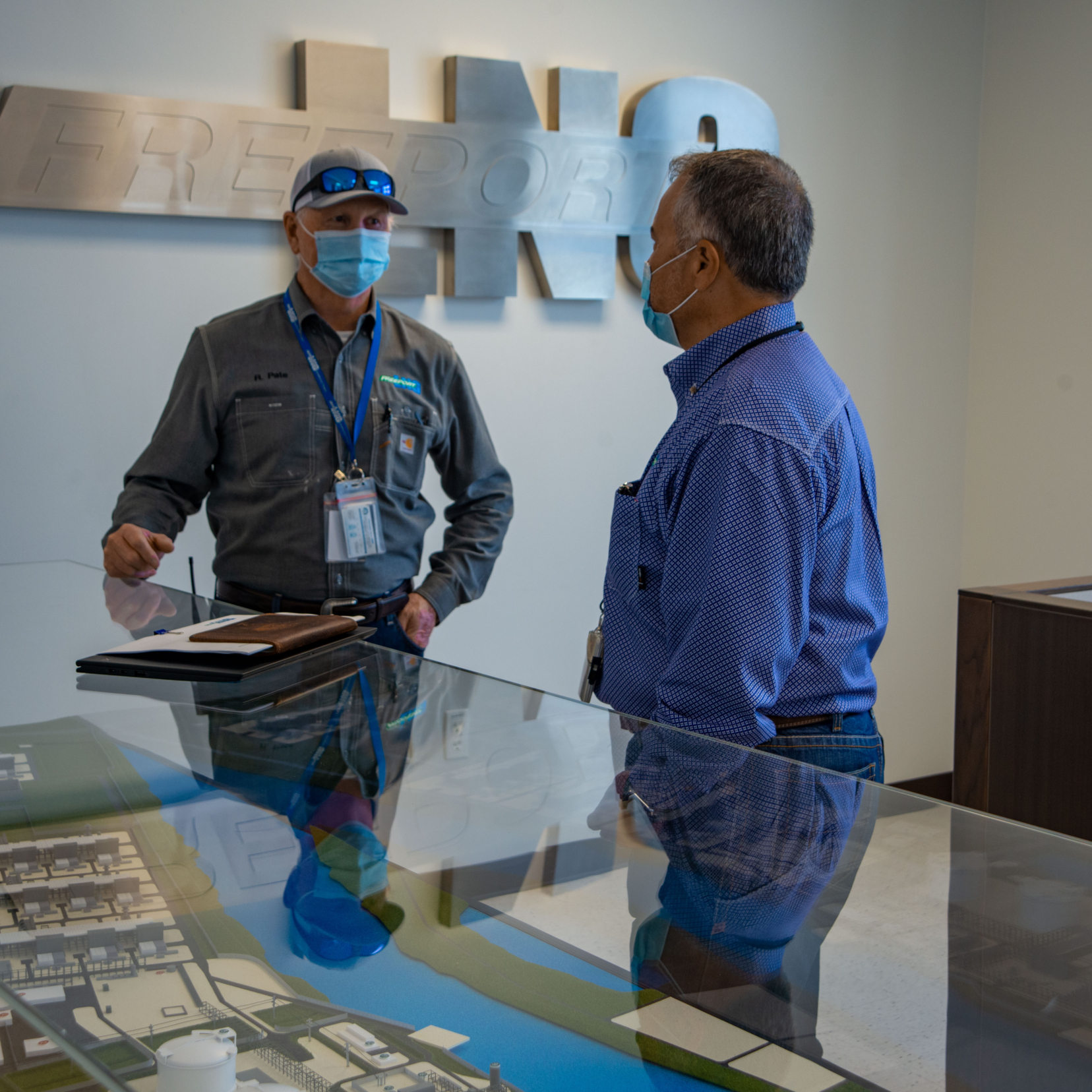
Team
We strive to be a model employer. We believe employees should work under safe, healthy, respectful and fair conditions. We implement strategies that encourage and leverage the unique contributions of employees with diverse backgrounds, while also giving them opportunities to learn and grow. This builds a collaborative culture that upholds the principles that define us as a company and drive our actions.
Talent Attraction and Retention
We value the diverse strengths of our employees who each bring their unique skills and experience to our team. As part of the Freeport LNG team, employees work side by side with top performers in the LNG industry.
We believe that when employees are fairly compensated, work in a safe environment, and are provided excellent benefits, they have peace of mind.
We dedicate ourselves to developing our employees; preparing them for the next level or opportunity. When we must look outside of our workforce for talent, we offer referral bonuses to employees for referring highly qualified candidates.
| 2020 | 2021 | |
|---|---|---|
Total Employee Turnover Rate |
6% |
7% |
Voluntary Turnover Rate |
2% |
5% |
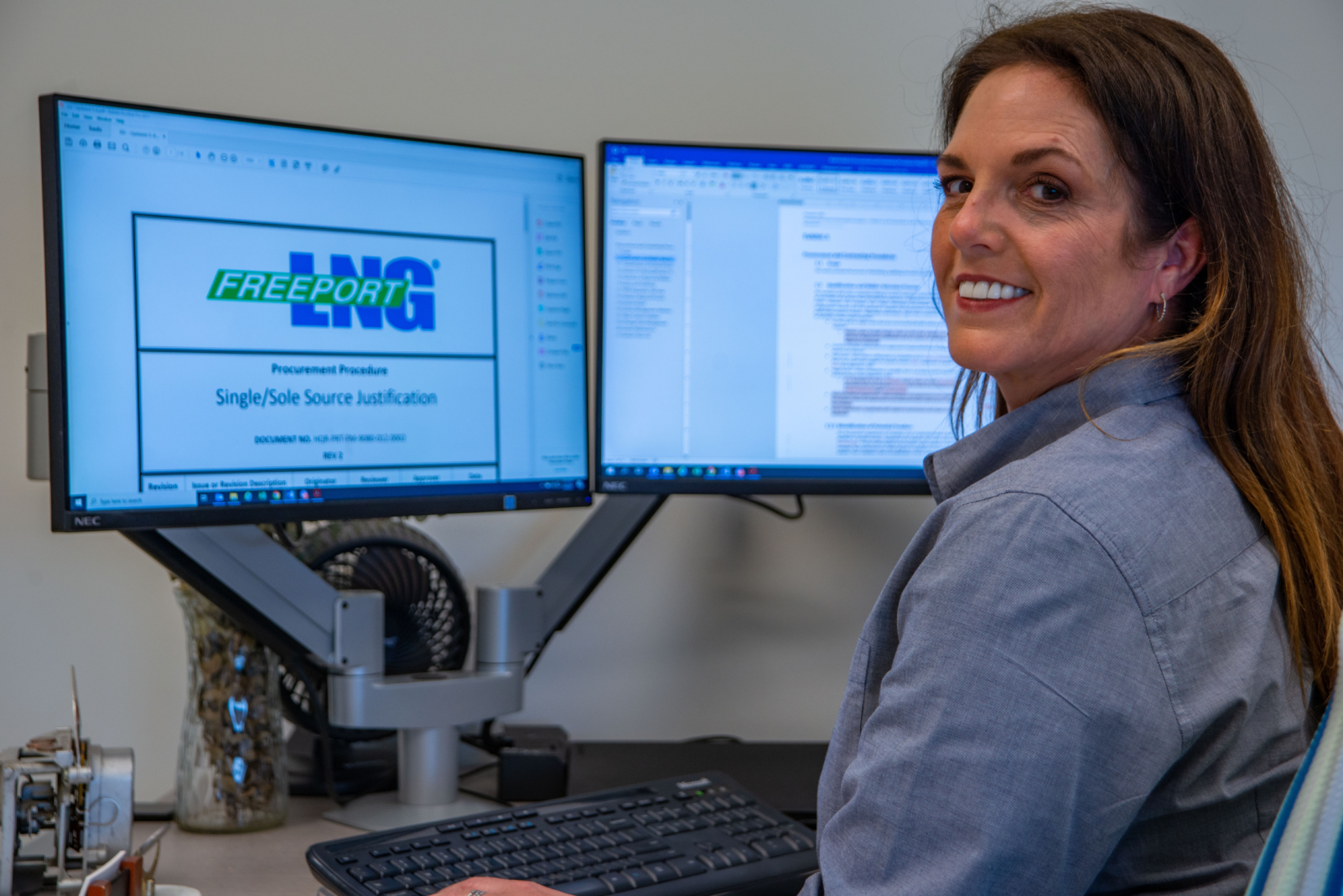
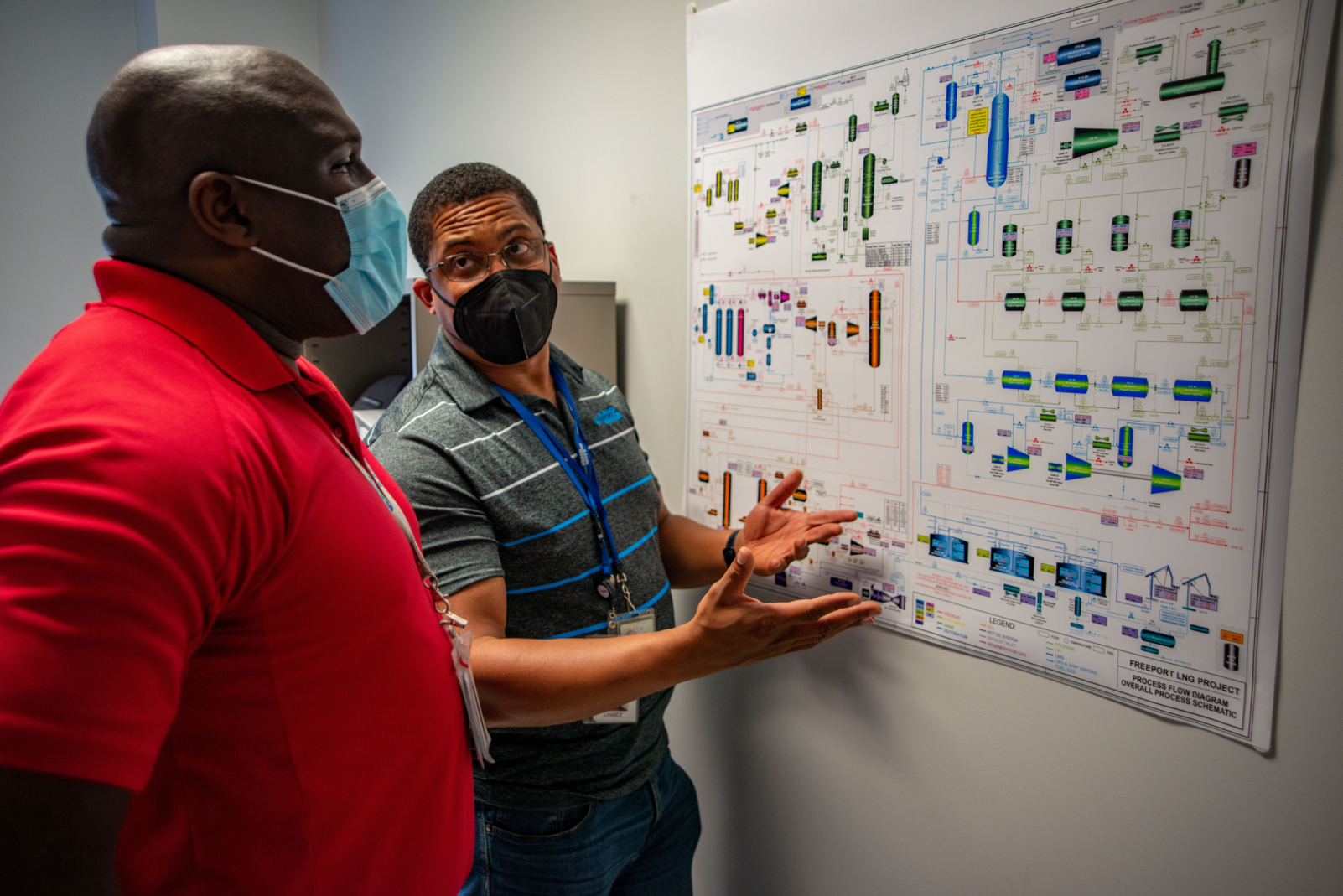
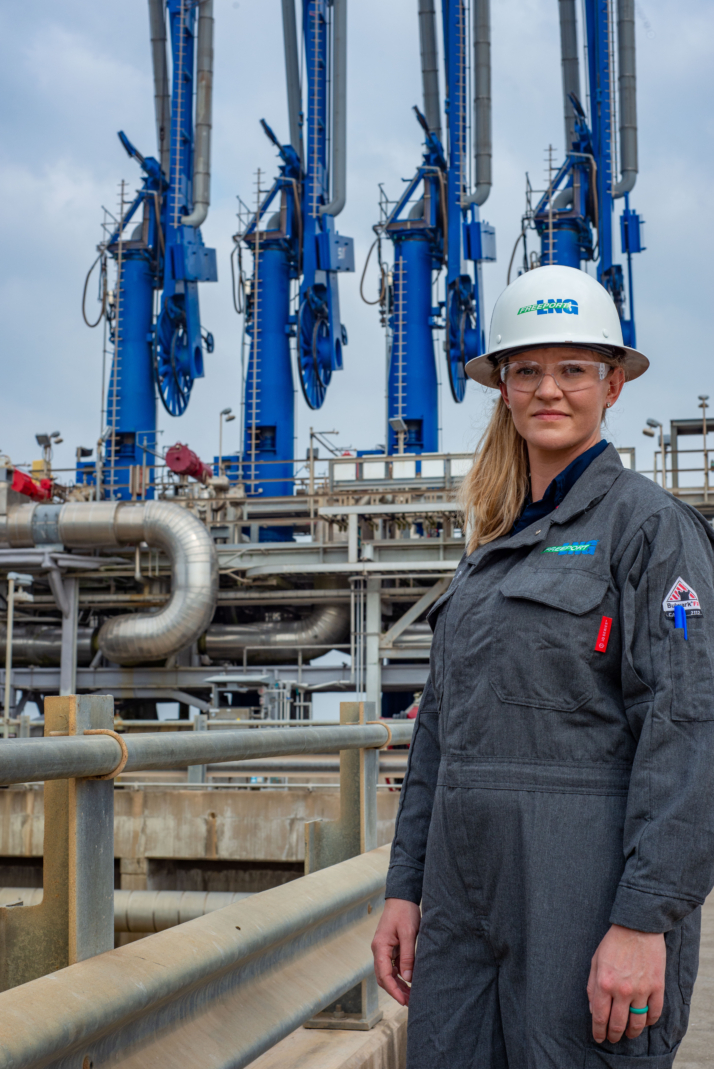
Lifestyle and Benefits
To support our employees and their families, we provide a highly competitive compensation and benefits package. When employees know that their loved ones are cared for, they incur less stress and perform better.
We encourage our employees and their families to live an active and healthy lifestyle. Incentives include a reimbursement for memberships to fitness centers and classes, annual health assessments, and online educational resources related to health and nutrition.
The following benefits support our employees’ health and financial well-being
- Medical, dental, and vision insurance
- Tax-Advantaged Accounts
- Life Insurance and Critical Illness Insurance
- Business Travel Accident Insurance
- Wellness Reimbursements and Incentives
- 401K Retirement Plan
- Parental Leave
- Short and Long Term Disability Income Protection
- Bereavement Leave
- Paid Holidays and Paid Time Off for vacation and sick days
- Employee Assistance Program
- Health Advocate
- Telemedicine
- Pet Insurance
- Identity Theft Protection
Leadership Development
Continuous leadership development is a crucial factor for an organization to deliver optimal results; at no time does an individual stop learning. Given the rapid growth of our company and transition from construction to operations, we’ve been keen to make sure all of our growing leaders are getting the training and skills they need. Thus in 2021, we created the ENGage Executive Leadership Program and Leadership Lab. Roughly 30% of our workforce participated in these programs.
Highlighted goals of our ENGage Executive Program and Leadership Lab included:
- Driving business results through enhanced individual leadership effectiveness and employee development
- Increasing leader and employee productivity
- Raising accountability and performance bars
- Enhancing cross-functional interaction
- Succession planning
- Creating a common leadership language and culture
The Leadership Lab Program is an ongoing initiative for our workforce as we continue to develop our future leaders.
Employee Engagement
Employee engagement is a key tenet of our organization. We conduct a monthly safety and communications meeting at both our terminal and headquarters locations that are open to all employees. Our CEO issues quarterly updates to all employees, and we maintain a well-updated website. We also conduct regular lunch and learns around IT, cybersecurity, and other topics and make significant additional employee investments in safety awards, employee accomplishments, training, etc.
Building on our existing employee engagement activities, in 2021, we launched FLNG 101, a speaker series held across our organization. The monthly sessions educated our employees on a variety of topics including our corporate structure and the inner-workings of our commercial and marketing organizations.
Freeport LNG’s CEO Michael Smith was featured in one FLNG 101 session in a Q&A format, which gave employees the opportunity to ask Michael questions about everything from the state of our business, the LNG markets as a whole and lighter topics like his favorite places to travel.
We look forward to continuing all of our employee engagement activities in 2022 and beyond, bolstering our commitment to involving and educating our employees on key organizational events, initiatives and milestones.
Workforce Training
Freeport LNG believes that a well-trained workforce sets us up for limitless success. We provide our employees with the tools and support necessary to achieve success. Through a combination of work assignments, on-the-job experiences, and focused training and education, employees acquire the necessary skills and competencies to take on increasing levels of responsibility and job complexity.
We fund employees’ post-secondary educational goals up through the Master’s Degree level; fund external professional certifications, and continuing education requirements to support those certifications. We encourage attendance at professional conferences and targeted technical training.
Internally, employees adhere to a strict training schedule that helps to ensure safe, reliable and efficient operations that complies with regulatory requirements and industry best-practices. This training is conducted through hands-on, classroom and online coursework covering a wide variety of topics.
Building a Skilled Workforce
Training
2021
Freeport LNG employs highly qualified individuals and are continually investing in the development of their skill sets. Through a combination of work assignments, on-the-job training, training simulation, professional development, and focused continuing education, employees perform their work competently and safely, and continuously acquire and hone necessary skills and competencies.
Trainings
| 2020 | 2021 | |
|---|---|---|
# of Trainings Assigned |
9,407 |
10,491 |
# of Trainings Completed |
7,777 |
10,326 |